

Benefits of Risk Management for Nigerian Businesses
🔍 Explore how risk management boosts Nigerian businesses by securing operations, improving decisions, ensuring compliance, and supporting lasting success.
Edited By
Clara Edwards
The Morning Star candlestick pattern is a popular technical tool used by traders in Nigerian stock and forex markets to spot potential market reversals. This pattern often signals a shift from bearish (downward) to bullish (upward) momentum, offering valuable clues on when to consider buying or increasing positions. It is especially handy in the Nigerian market where volatility can be high due to factors like naira fluctuations, polity changes, or external shocks.
Recognising the Morning Star pattern involves looking out for three candles formed over three trading days or periods. The first candle is a strong bearish candle representing the market's downward pressure. The second candle typically has a small body; it might be bullish or bearish but shows indecision among traders. The third candle is a bullish one that closes significantly above the midpoint of the first candle, confirming a bullish trend reversal.
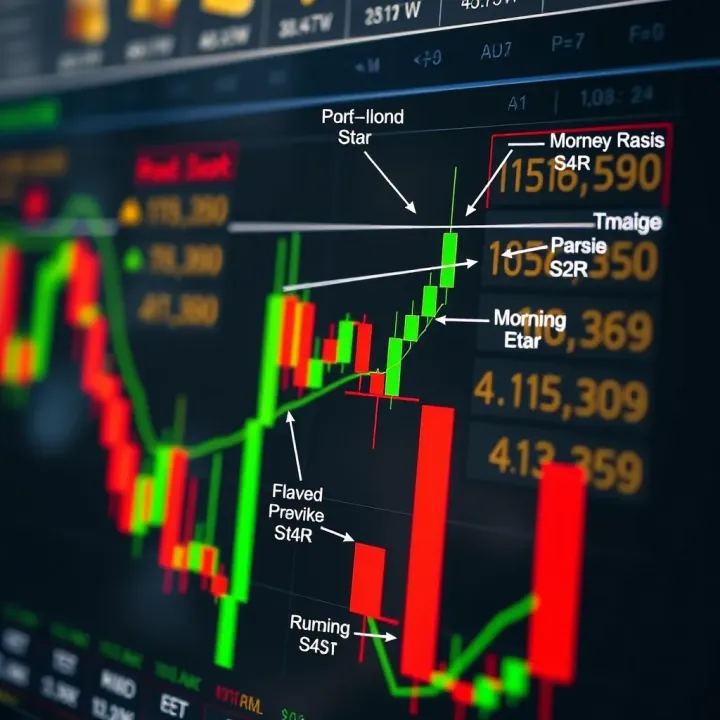
Spotting this pattern in stocks listed on the Nigerian Exchange (NGX) like Dangote Cement or MTN Nigeria can help you decide when to enter a trade. For forex traders dealing in pairs like USD/NGN or GBP/NGN, the pattern's signalling of momentum change can inform timely buying decisions.
In practical terms, if you notice a Morning Star developing after a downtrend, it suggests the sellers’ grip is loosening, while buyers start pushing prices up. You can then set stop-loss orders just below the low of the pattern for risk management. This strategy helps protect your ₦ investment from sudden market reversals common during ember months or periods of economic uncertainty.
It’s crucial to confirm the pattern using other indicators like volume or moving averages to avoid false signals. For example, rising trade volumes during the third candle strengthen the pattern’s validity. Combining this with local news, such as monetary policy changes by the Central Bank of Nigeria (CBN), can improve your trade decisions.
Understanding the Morning Star pattern empowers you to read market sentiment better, manage risks, and trade smarter in Nigeria’s dynamic financial markets.
The Morning Star candlestick pattern signals a potential bullish reversal in price trends. For Nigerian traders and investors watching markets like the Nigerian Stock Exchange (NSE) or forex pairs involving the naira, recognising this pattern can offer early clues about when a downtrend might be losing steam and sellers are tiring. Simply put, the pattern often marks a shift from pessimism to renewed buying interest.
Candlestick patterns represent price movements within a specific timeframe, showing the open, close, high, and low of an asset. Each candlestick tells a story about market sentiment during that period. The Morning Star is typically made up of three candles: a long bearish candle, followed by a small-bodied candle (which could be bullish or bearish), and then a long bullish candle. This sequence gives a visual narrative — sellers dominate at first, then indecision follows, before buyers push the price upward.
For example, in NSE trading, if shares of MTN Nigeria fall sharply one day (long red candle), then on the next day the price barely moves or closes close to the opening (small candle), it suggests uncertainty. When on the third day a strong green candle appears, closing well above the midpoint of the first day’s range, it confirms the buying pressure is returning.
The Morning Star pattern reflects a psychological shift in the market. Initially, sellers control trading, driving prices down due to negative sentiment or external factors like poor earnings or economic worries. The small-bodied middle candle shows hesitation — traders are unsure if the downtrend will continue. This can happen during periods of consolidation or when fundamental news is awaited.
When the third candle appears with strong bullish momentum, it signals buyers have regained confidence. This tends to happen when investors perceive asset prices as oversold or when broader market conditions are improving. In Nigerian terms, if the naira-dollar rate stabilises or there's positive government policy news, traders may see this as a sign to enter long positions.
The Morning Star pattern is a useful tool for Nigerian traders to spot market sentiment turning from fear to optimism. It helps to time buys in volatile local markets better, reducing guesswork.
Understanding these dynamics helps traders avoid chasing falling prices blindly and prepares them to take advantage of emerging opportunities. Yet, the pattern’s success also depends on context — volume confirmation, broader market trends, and economic factors like fuel price changes or Central Bank of Nigeria (CBN) interventions should be considered alongside the pattern.
By mastering the basics of candlestick patterns and grasping the psychological story behind the Morning Star, Nigerian market participants can add a powerful technique to their trading toolbox.
Spotting the Morning Star pattern on price charts is a vital skill for anyone trading Nigerian assets like equities on the Nigerian Stock Exchange (NSE) or currencies in the forex market. This pattern hints at a potential bullish reversal after a downtrend, giving traders a chance to enter early before prices rally. Proper identification helps in making smarter decisions that can improve your trading results and reduce losses.
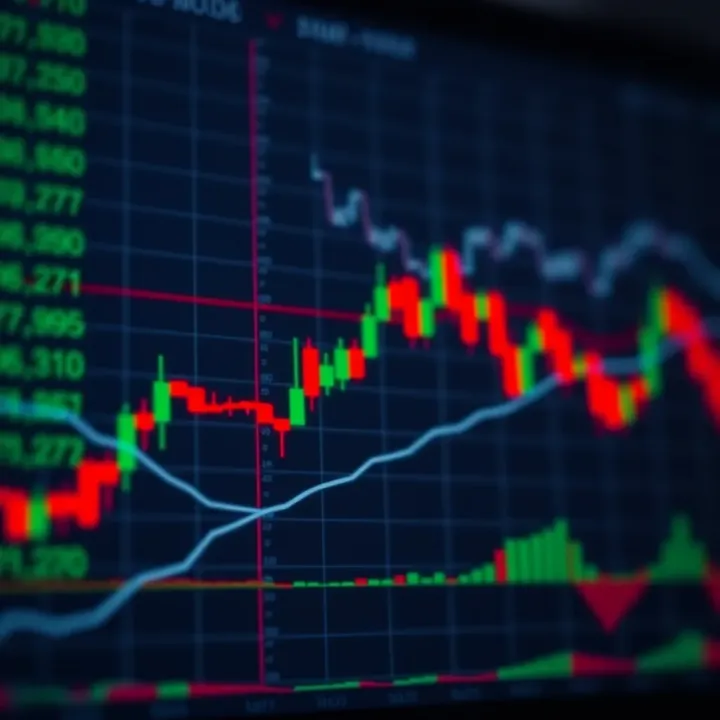
The Morning Star formation comprises three distinct candlesticks, each telling part of the market story. First, there’s a long bearish candle, showing strong selling pressure and confirming the prevailing downtrend. Next comes a small-bodied candle, often a doji or spinning top, indicating indecision among traders—neither buyers nor sellers are in control at this point. Finally, a long bullish candle follows, closing well into the body of the first bearish candle. This surge suggests buyers have entered aggressively, signalling a potential shift in momentum.
Each candle’s size and position matter. For example, if the middle candle gaps down and stays small, it strengthens the pattern, but in Nigerian markets, gaps can be rare due to trading styles. Still, even without gaps, the presence of the small middle candle with limited movement carries the same meaning.
Visually, the pattern looks like a star rising after a night of selling. On NSE charts for stocks like Dangote Cement or MTN Nigeria, the first candle might close sharply lower reflecting heavy selling amid uncertain economic news. The second candle could show a flat or slightly erratic session where traders hesitate—maybe awaiting Central Bank of Nigeria (CBN) policy updates or market reactions to fuel subsidy news. The third candle then demonstrates bullish strength as optimistic investors push prices higher.
For a hands-on example, consider a recent chart of Nigerian Naira (₦) against the US dollar ($). After days of consistent decline caused by forex scarcity fears, the Morning Star appeared with:
First candle: A solid red candle showing a steep dollar rise.
Second candle: A small-bodied candle with a narrow price range, reflecting market uncertainty.
Third candle: A green candle closing well above the midpoint of the first, signalling increased demand for the naira.
This confirmed the reversal and presented a clear buying opportunity for forex traders.
Recognising the Morning Star pattern requires patience and attention to candle formation details. When combined with other tools like volume or support levels, it can be a reliable marker for market direction changes.
By mastering this pattern, Nigerian traders can better time entries, especially in volatile conditions common in local markets, helping them maximize profits while managing risk effectively.
The Morning Star pattern serves as a reliable indicator for spotting bullish reversals in price movements, especially within Nigerian markets where price swings can be quite volatile. Traders who spot this pattern early can position themselves advantageously ahead of an upward trend, potentially maximising gains on the Nigerian Stock Exchange (NSE) or forex pairs involving the naira.
A bullish reversal signals a change from a downtrend to an uptrend, marking the potential bottom of price decline. The Morning Star candlestick pattern illustrates this shift through its three distinct candles: one showing sellers’ dominance, followed by a small real body candle reflecting indecision or pause, and finally a strong bullish candle signalling buyers’ return.
For example, if a stock like Dangote Cement has been sliding for several days on the NSE, seeing a Morning Star pattern may hint at a recovery soon. Recognising this pattern allows traders to enter before the rally gathers steam, instead of chasing prices after a rise has begun. This gives a better risk-to-reward ratio, crucial when dealing with local market uncertainties such as currency fluctuations or intermittent market news.
While the Morning Star pattern alone is insightful, confirming it with additional indicators reduces false signals. Trading volume is key here — an increase in volume on the last bullish candle confirms genuine buying interest. In Nigerian markets, sharp gains in volume often accompany significant moves due to local investor enthusiasm and institutional activity.
Besides volume, technical indicators like the Relative Strength Index (RSI) or Moving Average Convergence Divergence (MACD) can validate the pattern. For example, if the RSI moves from oversold territory to higher levels or MACD shows a bullish crossover near the Morning Star, confidence in the reversal strengthens.
Traders should watch for these confirming signs before committing sizeable funds, as morning star patterns can occasionally appear during stable sideways markets, causing misleading signals.
A Morning Star pattern backed by rising volume and corroborated by momentum indicators provides stronger evidence of a durable price reversal, helping traders make smarter decisions in the dynamic Nigerian markets.
In practice, combining the Morning Star with such tools ensures better timing and enhances profitability. Knowing when to enter and exit remains vital, especially considering high naira volatility and the impact of external shocks like regulatory changes or global commodity prices.
By understanding and confirming Morning Star patterns, Nigerian traders can navigate market reversals more confidently, balancing opportunity against risk effectively.
Morning Star candlestick patterns offer practical insights for traders in Nigerian markets, especially in spotting potential trend reversals. These patterns can signal when a downward trend might turn bullish, allowing investors and traders to make timely decisions. In the Nigerian context, where market volatility is common due to economic fluctuations and external shocks, recognising such patterns can help manage risk and capitalise on market swings.
On the Nigerian Stock Exchange (NSE), Morning Star patterns appear on daily charts of stocks like Dangote Cement or MTN Nigeria. These patterns help investors identify buying opportunities after a downtrend or consolidation phase. For example, if Dangote Cement's share price shows a Morning Star after several bearish sessions, it suggests buyer strength is returning. Traders can combine this with volume spikes and support levels to confirm entry points. Moreover, NSE's less liquid stocks sometimes show unreliable patterns, so traders should consider liquidity and average daily volume alongside the pattern.
Morning Star patterns are equally valuable in Nigerian forex trading where currencies such as USD/NGN or GBP/NGN are actively traded on platforms like OANDA or local brokers. For instance, a Morning Star on the USD/NGN chart following a downward move can signal reversal, suggesting naira strength or dollar weakness depending on macro factors. Similarly, cryptocurrency traders using platforms like Binance or Luno can spot Morning Star patterns to time entry into Bitcoin or Ethereum after price dips. Because forex and crypto markets operate 24/7, patterns might show up on hourly or four-hour charts, requiring quick interpretation and disciplined stop-loss placement.
Several local factors influence the trustworthiness of Morning Star patterns in Nigeria. First, low market liquidity especially in NSE small caps can create false signals. Limited trading volumes often lead to price manipulation or erratic swings, reducing pattern accuracy. Second, frequent political events, fuel scarcity, and power outages cause sudden market reactions that distort typical price movements. Third, inconsistent access to quality real-time data can delay pattern recognition. Finally, external shocks like naira devaluation impact forex and stock market behaviour, meaning traders should always cross-check patterns with macroeconomic indicators and news events.
Morning Star patterns provide actionable signals in Nigerian markets, but traders should blend them with volume data, local market awareness, and sound risk management for best results.
Recognising Morning Star patterns can sharpen trading decisions in Nigeria, yet practical use demands attention to specific market quirks and broader economic context. Combining technical signals with local insights helps investors navigate the ups and downs of our vibrant financial markets with greater confidence.
Recognising the Morning Star pattern can boost your trading strategy, but pairing it with practical tips is essential to succeed in the Nigerian markets. This section offers hands-on advice to help you avoid pitfalls and manage your risks, ensuring that the pattern works in your favour.
Using the Morning Star pattern without a solid risk management plan is like driving an okada through Lagos traffic blindfolded. Start by defining your stop-loss level based on the lowest point of the Morning Star formation. For example, if the candle’s low is ₦350 on a stock chart, placing your stop-loss slightly below that can protect you from deeper losses.
Also, manage your position size carefully. Don’t put all your capital into a single trade just because the pattern looks promising. Nigerian markets can be volatile, especially during ember months or election periods, so spreading your investments across different instruments can reduce risk.
Remember to check volume confirmation before entering a trade. Morning Star patterns accompanied by rising trade volumes generally offer better reliability. In forex trading, paying attention to central bank announcements from the Central Bank of Nigeria (CBN) can also influence your entry timing.
One frequent error among traders is jumping into a trade immediately after spotting the Morning Star pattern without waiting for confirmation. It’s advisable to wait for the next candle to close above the star's middle candle to confirm a bullish reversal.
Another mistake is ignoring market context. Consider the overall trend and other technical indicators like RSI or MACD before committing. For instance, a Morning Star in a strong downward trend might signal a short pause rather than a full reversal.
Overreliance on Morning Star alone can also mislead you. Combine it with fundamental insights such as earnings reports or sector news in Nigeria’s NSE to improve decision-making.
Lastly, neglecting trading discipline, such as not adhering to your stop-loss or letting emotions drive decisions, can wipe out gains quickly. Successful traders keep a journal to review their trades and learn from mistakes, adapting their strategies over time.
The Morning Star pattern offers a reliable signal, but like any tool, its success depends on how well you integrate it with risk controls and market awareness.
Applying these tips will sharpen your skill in spotting genuine reversals and managing risk effectively, a combination especially useful given the unique dynamics of Nigerian markets.
🔍 Explore how risk management boosts Nigerian businesses by securing operations, improving decisions, ensuring compliance, and supporting lasting success.
Learn to spot bearish reversal candlestick patterns 📉 for smart trading decisions in Nigeria's stock market. Master key signals & risk management tips.

📊 Learn all key candlestick patterns used by traders! Explore how these signals reveal market moves and boost your trading success in Nigeria and beyond.

Explore 35 key candlestick patterns 📊 to read market trends clearly, predict price moves, and sharpen your trading strategies for success in Nigeria's markets.
Based on 13 reviews