

How Bacteria Multiply: Understanding Binary Fission
🔬 Explore how bacteria reproduce through binary fission—step-by-step process, variations among species, and how environment affects growth rates. 🌱
Edited By
Thomas Grant
Understanding what it means to be a non-binary woman starts with recognising that gender identity is a spectrum, not a fixed point. In Nigeria, where traditional gender roles are deeply rooted, the term 'non-binary woman' may sound unfamiliar. Yet, it describes individuals who identify partly with womanhood but do not fully conform to the conventional binary notions of male and female.
Non-binary women might experience their gender as fluid, sitting somewhere between man and woman, or outside both categories entirely. For example, someone assigned female at birth might express themselves with a mix of masculine and feminine traits without feeling exclusively like a woman or a man. This identity challenges the strict male-female dichotomy prevalent in Nigerian society.
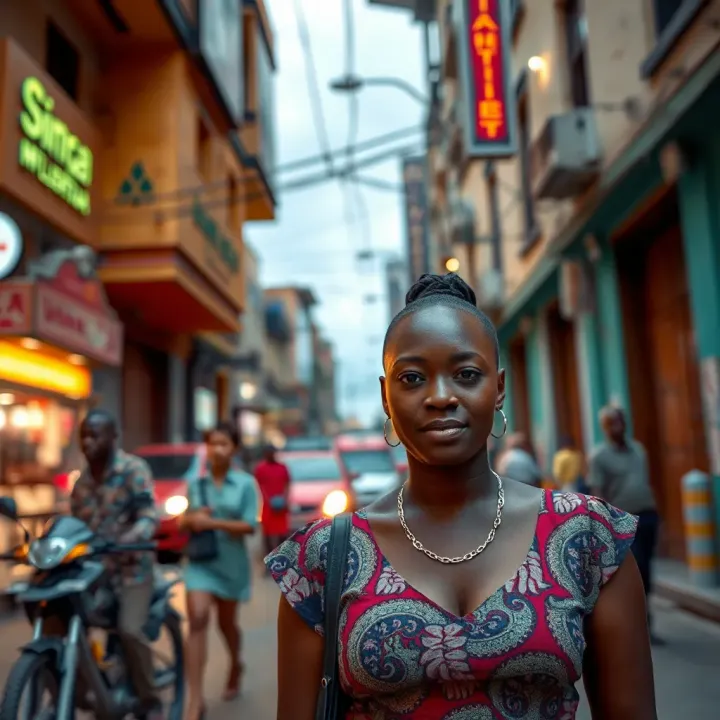
Non-binary identities remind us that gender is not always clear-cut or tied to biology but a deeply personal sense of self.
In practice, non-binary women may choose pronouns like she/her, they/them, or a combination depending on their comfort and context. It’s important to listen and respect these choices, especially as many non-binary individuals face misunderstanding or discrimination.
This matter is particularly sensitive in Nigeria due to cultural expectations, religious beliefs, and legal frameworks that often leave little room for gender diversity. Non-binary Nigerians frequently encounter social hurdles including stigma, exclusion in workplaces, or challenges accessing healthcare sensitive to their identity.
To get a clearer picture:
Terminology: Non-binary refers to anyone not identifying strictly as male or female. A non-binary woman identifies partially with womanhood but resists fixed labels.
Personal experience: Each person’s identity is unique, often evolving with time or social circumstance.
Social context: Nigerian culture typically emphasises binary gender roles, making non-binary identities harder to understand or accept.
Appreciating the identity of non-binary women means recognising life beyond fixed categories. This awareness supports more inclusive workplaces, education, and policies—settings where everyone can perform without masking who they truly are.
Moving forward, the article will unpack real-life experiences from non-binary Nigerian women, common societal challenges, and the steps needed to foster acceptance and legal protection in Nigeria and beyond.
Understanding what it means to be a non-binary woman is vital, especially in a society where gender roles often come boxed in tight binaries. Defining this term clearly helps dismantle confusion and opens space for more accurate representation and respect. For investors, educators, and professionals alike, recognising this identity can improve engagement, communication, and inclusivity in workspaces and communities.
Clear definitions also aid in policy-making, ensuring that non-binary women receive appropriate legal recognition and social support. For example, a financial institution offering diverse gender options on forms shows awareness; this small step can enhance customer experience and compliance.
The concept of non-binary means moving past the traditional male-female gender divide. It acknowledges that gender is not simply a box to tick but a varied spectrum. In practice, this means some people experience their gender as fluid or outside typical male or female categories.
This is relevant because many systems—from healthcare to financial services—still rely on fixed gender options. By understanding non-binary, organisations can adapt better, for instance, by allowing flexible gender selections or respecting different gender expressions.
Non-binary identities can include agender (no gender), genderfluid (changing over time), or bigender (two genders simultaneously). Each person’s way of expressing identity varies widely. For example, some may dress more traditionally feminine or masculine on certain days but prefer neutral styles on others.
Recognising these variations helps prevent assumptions about appearance or behaviour. For educators or HR professionals, appreciating non-binary expressions prevents misunderstanding and discrimination, fostering inclusive environments.
A non-binary woman identifies partly with womanhood but does not fully conform to traditional female gender norms. This intersection reflects a nuanced personal experience, blending femininity with other gender elements.
Practically, this means a non-binary woman might use she/her pronouns or also accept they/them, depending on comfort. Respecting these preferences in communication or documents is essential to affirming identity.
Consider a Nigerian non-binary woman who enjoys wearing both iro and buba as well as jeans and t-shirts, blending cultural femininity with casual styles. Another might choose she/her pronouns in some circles and they/them in others to reflect their fluid identity.
These examples illustrate the diversity within this group, highlighting the need for flexibility and sensitivity in recognising and supporting non-binary women. For workplaces or social groups, creating spaces where such identities are acknowledged reduces stigma and improves wellbeing.
Understanding and properly defining non-binary women is not just about labels; it's about respecting real-life experiences and creating systems that work for everybody.
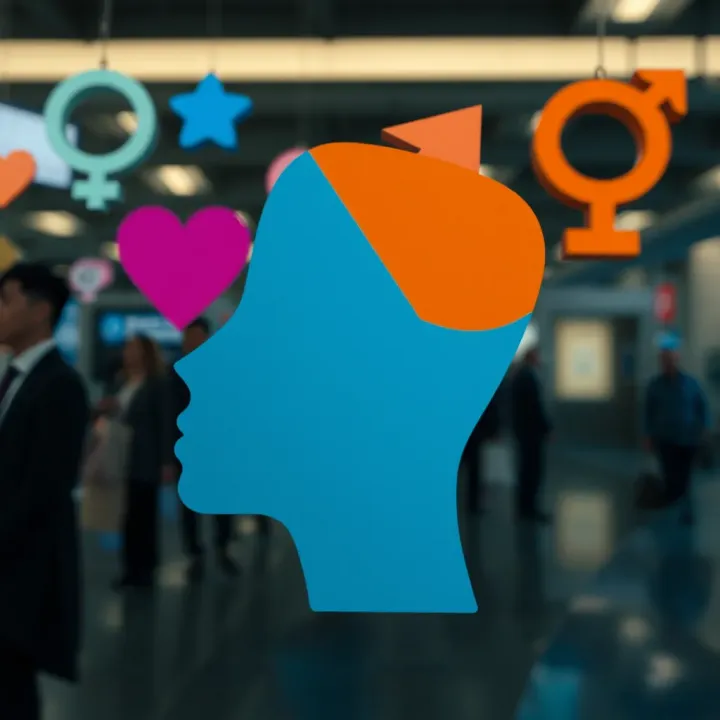
Understanding gender identity and expression within Nigeria is essential for recognising how non-binary women navigate a society largely built on rigid gender norms. This context shapes not only personal experiences but also professional and social interactions, especially in traditional settings. Nigerian culture often expects individuals to conform clearly to male or female roles, making non-binary identities less visible and sometimes misunderstood.
Nigerian society generally recognises gender in a binary way: male or female, with strict roles attached to each. Men are expected to be providers and heads of families, while women are often linked to caregiving and domestic duties. These roles influence everything from career choices to social behaviour. For example, a woman in a boardroom is often perceived differently than a man, and deviations from these roles can cause tension.
In many communities, this binary outlook leaves little room for varied gender expression. It affects policies at workplaces, schools, and religious institutions, where standard forms and official procedures rarely acknowledge non-binary identities. Consequently, non-binary people may face pressure to conform to traditional expectations, impacting their mental health and professional growth.
Culture and religion intensify binary gender norms in Nigeria. Many ethnic traditions and religious teachings reinforce clear distinctions between men and women, often associating them with specific behaviours and responsibilities. For instance, certain cultural rites of passage strictly divide males and females, while religious sermons frequently emphasise conventional gender roles.
These influences make it challenging for non-binary individuals to openly express their identities without fear of social exclusion or condemnation. For example, a non-binary woman may find difficulty during events like weddings or religious ceremonies where dress codes and roles are sharply defined. This intersection of faith, tradition, and gender identity shapes the everyday experiences of many Nigerians.
Awareness of non-binary identities is slowly increasing in Nigeria, notably among younger generations and urban populations. Social media platforms serve as spaces where non-binary people share their stories and connect, raising visibility. Nigerian influencers and activists openly discussing gender fluidity are helping change perceptions, creating awareness beyond major cities.
Despite this growth, visibility remains limited and often met with resistance. Non-binary individuals still risk discrimination in workplaces or families. However, as more conversations happen in public and online, others start to question traditional views and become more accepting, which benefits social inclusion.
Several LGBTQ+ groups in Nigeria now offer support to non-binary people, providing safe spaces, counselling, and advocacy. Organisations like The Initiative for Equal Rights (TIERs) and others have been vital in educating the public and pushing for rights despite legal and social challenges.
These networks act as lifelines for non-binary women, especially those facing hostility from family or institutions. Through workshops, community gatherings, and online forums, they promote understanding and resilience. They also challenge legal barriers, working towards reforms that recognise diverse gender identities, an important step for equal treatment in healthcare, employment, and official documentation.
Greater awareness and support for non-binary identities in Nigeria can lead to improved wellbeing and social acceptance, though cultural and legal hurdles remain significant obstacles.
Understanding how gender identity and expression interact with Nigerian culture informs meaningful discussions on inclusion and respect.
Non-binary women in Nigeria face unique obstacles rooted in social and legal structures that traditionally recognise only male and female categories. These challenges affect not just identity expression but also access to basic rights and services. Understanding these hurdles is key for investors, educators, and policymakers aiming to support inclusivity and social equity.
Stigma and misunderstanding often surround non-binary women, creating a barrier to everyday interactions. Many Nigerians view gender firmly within a binary frame, so when someone identifies outside this norm, they are met with confusion or hostility. For example, a non-binary woman presenting herself in a certain way might be labelled as rebellious or disobedient, leading to social isolation or even discrimination in workplaces and community settings.
Family pressures compound this difficulty. Nigerian families tend to have strong expectations about gender roles, heavily influenced by culture and religion. Non-binary women may face insistence from relatives to conform, causing emotional strain or estrangement. It’s not uncommon for individuals to be pressured into traditional marriages or prescribed career paths that conflict with their true identity.
Official identification presents a practical challenge. Nigerian identity documents, such as the National Identification Number (NIN) and driver’s licences, require designation of gender as male or female only. For non-binary women, this means their gender identity isn’t accurately reflected, which can complicate interactions with banks, government agencies, and employers, leading to misgendering or denial of services.
Access to healthcare and social services is also limited. Medical systems frequently lack awareness or training about non-binary health needs, which can discourage individuals from seeking care. For instance, non-binary women might avoid clinics fearing discrimination or lack of understanding from health workers. Additionally, administrative forms rarely accommodate non-binary identities, denying them equitable access to social welfare programmes or insurance.
The hurdles non-binary women face are not just personal but systemic, affecting their ability to participate fully in society. Businesses and institutions that understand and address these barriers help create a more inclusive environment that benefits everyone.
Educate families and communities about gender diversity to reduce stigma.
Support legal reforms that allow flexible gender markers on official documents.
Develop healthcare training focusing on non-binary identities.
Create safe spaces and support networks that offer community and resources.
By tackling these challenges thoughtfully, Nigeria can make strides towards respecting the identities of all its citizens, unlocking the potential of diverse talents and perspectives across sectors.
Expressing one's identity plays a vital role in how non-binary women navigate their personal and social worlds. This expression goes beyond just self-recognition; it shapes interactions, builds understanding, and influences acceptance within families and communities. For many non-binary women in Nigeria, carefully chosen modes of expression can affirm their gender identity while balancing social expectations.
Blending feminine and non-binary styles allows non-binary women to present themselves in ways that feel authentic yet flexible. For instance, a non-binary woman may pair traditional feminine attire like a gele or ankara dress with accessories or hairstyles that don't strictly conform to conventional gender norms. This blend provides freedom to express femininity without feeling confined to typical women's fashion. It also challenges fixed perceptions, opening dialogue on gender diversity.
This practical approach helps non-binary women navigate social settings where strict dress codes often exist. Whether attending family events or public spaces, combining styles offers a personal middle ground that respects identity and cultural expectations without forcing one to choose between feminine or non-binary presentation exclusively.
Influence of Nigerian culture on self-expression runs deep, affecting the choices non-binary women make in how they present themselves. Nigerian culture holds strong beliefs around dress codes, body language, and social roles linked to gender. Yet, many Nigerian non-binary women creatively use cultural symbols and fashion to assert their identities. For example, incorporating traditional fabrics like aso ebi into gender-fluid outfits can be both a nod to heritage and a statement of self.
Moreover, festivals and celebrations offer non-binary women opportunities to express identity through choreography, music, and clothing that defy rigid roles. This cultural interplay shows how Nigerian society’s rich traditions can support, rather than limit, diverse gender expressions.
Preferred pronouns among non-binary women in Nigeria vary widely but often include they/them or neopronouns suited to specific individuals. Using someone's correct pronouns is fundamental in recognising their identity. Non-binary women might choose feminine pronouns, neutral ones, or alternate sets depending on comfort and context. For example, a non-binary woman who leans towards a feminine identity may prefer she/her, while others feel more at ease with they/them.
In practice, asking for and respecting pronouns creates an environment where non-binary women can fully participate socially and professionally. It reduces misgendering, which can hurt mental health and social inclusion, and promotes respect.
Challenges with language in Nigerian settings are notable, as many local languages and even Nigerian English do not include widely accepted gender-neutral pronouns. This absence can make everyday communication tricky for non-binary women. For example, Yoruba, Hausa, and Igbo languages traditionally use gendered pronouns, so introducing neutral forms requires adaptation and education.
This language gap often forces non-binary women to navigate misunderstandings or to explain their identities repeatedly. On top of that, Nigerian society's tendency to expect strict gender binaries complicates the acceptance of varied pronouns. Encouraging wider awareness and flexible language use in media, workplaces, and communities is crucial to easing these communication barriers.
Expressing identity through fashion, presentation, pronouns, and language is more than style or grammar; it is central to the lived reality and social integration of non-binary women in Nigeria.
Moving towards recognition and respect for non-binary women in Nigeria is not just about social etiquette; it’s about ensuring human dignity and equal opportunities. This path involves confronting long-standing social norms and legal frameworks that have traditionally excluded non-binary identities. For traders, investors, and policy makers alike, understanding this shift is key to fostering inclusive workplaces and communities where diverse gender identities are acknowledged and valued.
Importance of inclusive education
Inclusive education plays a critical role in changing mindsets about gender diversity. When schools, workplaces, and institutions include comprehensive gender education, they reduce ignorance and stigma. For instance, Nigerian universities that offer gender studies or diversity workshops help future leaders and professionals understand the spectrum of gender identities beyond male and female. This knowledge encourages respect and acceptance, making it easier for non-binary women to participate fully in economic and social activities.
Education programmes also equip young people with the language and confidence needed to discuss gender openly. This reduces bullying and discrimination, making society more tolerant and progressive. For investors and business leaders, supporting such initiatives builds better corporate social responsibility profiles and creates healthier work environments.
Role of media and popular culture
Media and popular culture shape public perception powerfully in Nigeria. Television shows, radio stations, social media influencers, and Nollywood films that portray non-binary individuals in authentic, relatable ways foster understanding. For example, when a popular Nollywood series includes a non-binary woman as a character, it normalises the identity and challenges stereotypes.
Public conversations sparked by social media platforms help amplify voices of non-binary Nigerians, allowing their stories to be heard widely. This visibility helps break down misconceptions and opens doors for dialogue. Traders and marketers must note how these narratives influence consumer behaviour, driving demand for inclusive products and services.
Community groups and safe spaces
Community groups provide essential support for non-binary women, offering safe spaces where they can express themselves without fear. These networks, often organised by activists or NGOs, range from physical meet-ups in cities like Lagos to online platforms where people share experiences and resources.
Such safe spaces reduce social isolation and encourage mental well-being. Economically, they help non-binary women build networks crucial for employment or entrepreneurship, directly impacting their financial stability. For investors and educators, recognising these groups is important for targeted community engagement and capacity building.
Legal reforms and policy changes
The lack of legal recognition for non-binary identities in Nigeria presents real barriers. Without appropriate identification documents, non-binary women struggle with access to healthcare, employment, and financial services. Legal reforms must enable options beyond the male/female binary on official records, reflecting the lived realities of many Nigerians.
Policy changes can also strengthen anti-discrimination laws in workplaces and schools, ensuring that non-binary people receive fair treatment. For businesses and institutions, adopting inclusive policies not only protects non-binary employees but also promotes diversity as a driver of innovation and productivity. The Central Bank of Nigeria (CBN) and regulatory bodies could play a significant role by integrating gender-inclusive policies within their frameworks, influencing economic participation.
Recognition and respect for non-binary women extend beyond language; they require active efforts in education, media representation, community support, and legal acknowledgment to foster equity in Nigerian society.
The path forward may be challenging, but it brings a clearer vision for inclusion, respect, and prosperity that benefits everyone in Nigeria’s social and economic fabric.
🔬 Explore how bacteria reproduce through binary fission—step-by-step process, variations among species, and how environment affects growth rates. 🌱

Explore how single-celled organisms multiply through binary fission 🔬. Learn its stages, importance, and how it differs from other reproductive methods.

Learn how to add binary numbers step-by-step 🔢. Explore practical tips and examples that make binary addition simple and useful in computer systems 💻.

Learn how binary subtraction works in computers and digital electronics 🔢. Explore practical steps, borrowing challenges, and real examples today!
Based on 5 reviews