
How Forex Trading Works: Guide for Nigerians
📈 Learn how forex trading works in Nigeria, get insights on key players, popular platforms like OPay & GTBank, plus tips to manage risks & boost your ₦ returns.
Edited By
David Palmer
Forex trading in Nigeria has grown rapidly because it offers an opportunity to trade currency pairs and potentially profit from naira fluctuations against other major currencies. Unlike stock trading, forex operates 24 hours a day, five days a week, allowing Nigerians to join the global market anytime from anywhere.
At its core, forex trading involves buying one currency and selling another simultaneously. For example, if you believe the US dollar (USD) will strengthen against the Nigerian naira (NGN), you can buy the USD/NGN pair. If the dollar rises as expected, your trade earns a profit based on the difference.
Local traders often use platforms like MetaTrader 4 or 5, alongside Nigerian fintech solutions such as OPay or Paystack for deposits and withdrawals. These platforms provide real-time market data, advanced charting tools, and easy execution of trades. Brokers operating in Nigeria typically offer leverage, allowing traders to control larger positions with a smaller capital outlay. However, leverage increases both opportunity and risk.
Always ensure your broker is regulated by the Securities and Exchange Commission (SEC) Nigeria or the Central Bank of Nigeria (CBN) to avoid scams.
Nigerians face specific risks including currency volatility, occasional power outages affecting internet connectivity, and regulatory shifts concerning forex activities. Traders must stay updated to adjust strategies accordingly.
Starting forex trading requires setting up a trading account with a licensed broker, funding it with minimum required capital, and familiarising oneself with currency pairs and trading strategies. Common currency pairs include USD/NGN, EUR/USD, GBP/USD, and USD/JPY.
To trade wisely, keep track of factors influencing currency movements such as Nigerian inflation rates, Central Bank monetary policy, oil prices (which directly impact naira strength), and global events like trade tensions between superpowers. Practical experience through demo accounts can help beginners sharpen skills without risking real money.
In sum, forex trading in Nigeria offers accessible pathways for investors who understand how currency markets function, use reliable platforms, and stay vigilant about risks. This guide will unpack these aspects so you can make informed decisions with your ₦capital.
Grasping the fundamentals of forex trading matters a lot for anyone planning to step into this market, especially in Nigeria. Without a clear understanding, you risk losing money to poor decisions or scams. Forex trading involves buying and selling currencies with the aim of making profit from fluctuations in exchange rates. For example, if you expect the US dollar (USD) to strengthen against the Nigerian naira (₦), you might buy the USD/NGN pair to profit from the rise.
Forex trading is the act of exchanging one currency for another in the global market. This market operates 24 hours a day across different time zones, meaning trade happens whenever you are ready. Traders bet on currency pairs like USD/NGN, EUR/USD, or GBP/USD, predicting which way their value will move. Unlike buying shares of a company, forex deals with two currencies at once — one you sell, the other you buy.
The goal is to sell your currency at a higher price than you bought it or vice versa. For instance, if you buy USD/NGN at ₦450 and later sell it at ₦460, you make a profit of ₦10 per dollar. However, prices can also move against you, which is why managing risks is important.
Globally, the forex market is the largest and most liquid financial market, with an average daily turnover exceeding US$6 trillion. It is decentralised, meaning there is no single place where trades happen; instead, banks, financial institutions, brokers, and individuals transact electronically.
In Nigeria, the foreign exchange market has unique features due to regulatory controls by the Central Bank of Nigeria (CBN) and currency restrictions. The ₦/USD rate, for instance, can vary significantly between the official CBN rate and the parallel black market rate. This discrepancy impacts how Nigerian traders approach forex, especially concerning liquidity and exchange rate risk.
Banks in Nigeria mostly deal in foreign currency at official rates for importers and exporters, but retail traders often use online brokers that operate on global forex platforms like MetaTrader 4 or 5. These brokers provide access to major global currency pairs as well as the USD/NGN pair through derivatives or CFDs.
Understanding how global forces and local regulations influence currency moves helps Nigerian traders make smarter decisions and avoid pitfalls.
To sum up, knowing what forex trading entails and how the larger market functions sets the foundation for anyone in Nigeria looking to trade currencies profitably and safely.
Forex trading has become an accessible option for many Nigerians seeking to diversify income or grow capital outside traditional investments. Understanding how Nigerians engage in this market helps demystify the process and highlights practical steps to get started successfully.
Several brokers have gained popularity among Nigerian traders due to their reliability, user-friendly interfaces, and local support. Companies like FXTM, HotForex, OctaFX, and Alpari maintain a strong presence. These platforms offer mobile apps and web-based portals compatible with low bandwidth internet, a common challenge in Nigeria.
Additionally, local fintech firms such as OPay and PalmPay have started integrating forex trading services, giving Nigerians more home-grown options. The choice of broker depends largely on regulation, fees, spreads, and ease of account funding or withdrawal. Nigerian traders usually prefer brokers regulated by the Capital Market Authority (CMA) or reputable international bodies like FCA or CySEC for security.
Because regulatory bodies and brokers want to curb fraud and money laundering, verification is mandatory before trading. Nigerians must typically provide their Bank Verification Number (BVN) and National Identification Number (NIN) during registration. These IDs ensure your identity matches official records and help meet compliance with Nigerian financial laws.
This process protects traders by confirming they deal with legitimate platforms. For example, if someone tries to open multiple accounts or engage in suspicious trading, proper verification flags these activities. It also speeds up withdrawal requests, avoiding unnecessary delays.
Funding your forex account in Nigeria can be done through bank transfers, debit/credit cards, or popular payment apps like Flutterwave and Paystack. Many brokers also accept US dollars or euros, but most Nigerian traders prefer depositing in naira to avoid costly conversion fees.
Some brokers provide local bank payment options that directly debit or credit your Nigerian bank account without extra charges. For instance, a trader might fund their account using an NGN-denominated transfer via GTBank or Zenith Bank and start trading immediately. Others may use international wire transfers, especially when dealing with large amounts.
Successful forex trading depends not only on understanding the market but also on selecting the right platform, verifying accounts properly, and funding in the safest, most cost-effective way. This is especially true in Nigeria’s market where naira fluctuations and banking issues sometimes complicate transactions.
By navigating these key steps, Nigerian traders can participate confidently in the forex market and build a solid foundation for trading.
Understanding key currency pairs and trading concepts is essential for Nigerian traders navigating the forex market. These basics guide your trading decisions by highlighting which currencies to focus on and how to measure trading performance accurately. Grasping these fundamentals saves you from costly mistakes and helps build realistic expectations when trading.
For Nigerian traders, the USD/NGN pair is among the most significant in the forex market. It reflects the value of the US dollar against the Nigerian Naira and often responds sharply to fluctuations in Nigeria’s economic indicators, inflation rates, and Central Bank policies. Because Nigeria's economy depends heavily on dollar transactions for imports and oil exports, understanding how USD/NGN behaves gives traders an edge in predicting market moves.
Other important pairs include USD/EUR, GBP/USD, and USD/JPY, known as major pairs globally due to their high liquidity and narrow spreads. Minor pairs like EUR/GBP and AUD/NZD also attract interest but are less volatile. Though these pairs may seem detached from local happenings, they matter when global events cause ripple effects that impact emerging markets like Nigeria.
A pip is the smallest price change in a forex currency pair and serves as the basic unit to measure gains or losses. For example, if USD/NGN moves from 462.50 to 462.60, that’s a 1-pip change. Knowing how to calculate pip values helps you assess potential profits or risks on each trade.
Leverage lets you control a larger position with a small amount of money, magnifying gains but also losses. In Nigeria, brokers often offer leverage ratios like 1:100 or 1:200, meaning ₦1,000 in your account can control ₦100,000 or ₦200,000 worth of currency. While tempting for quick profits, high leverage requires caution due to the potential for fast losses.
Margin is the minimum amount you must have in your account to open a leveraged position. Think of it as a security deposit. For example, with 1:100 leverage, to open a ₦100,000 trade, you need to put up ₦1,000 margin. Managing margin carefully helps avoid margin calls and forced liquidation.
Knowing these trading concepts—the relevance of currency pairs to Nigeria, the meaning of pips, leverage, and margin—helps traders make smarter, better-informed choices in the forex market.
Successful traders combine this knowledge with current economic trends to navigate the fluctuations effectively and avoid common pitfalls in Nigeria’s forex environment.
Understanding regulation and safety measures is vital for Nigerian forex traders to protect their investments and trade confidently. The forex market's openness makes it attractive but also exposes traders to unregulated brokers and fraudulent schemes. Regulatory bodies oversee trading activities to ensure fair practices and safeguard traders from scams, a concern particularly relevant in Nigeria's fast-growing forex scene.
The Central Bank of Nigeria (CBN) plays a key role in regulating forex activities by setting policies that guide foreign exchange dealings and protecting the naira's stability. While the CBN does not directly license forex brokers, it enforces rules that indirectly affect forex trading, such as restrictions on currency dealings and ensuring legal compliance by banks handling forex transactions.
Beyond the CBN, other agencies like the Securities and Exchange Commission (SEC) Nigeria contribute by licensing and monitoring capital market operators, including some forex brokers with local presence. The Nigerian Financial Intelligence Unit (NFIU) also combats money laundering risks linked with forex trading.
These regulators form a safety net for traders by promoting transparency, requiring brokers to follow anti-money laundering standards, and encouraging proper client fund segregation. Always note, though, that forex brokers operating online may be registered offshore, making CBN’s direct control limited. Therefore, Nigerian traders must look for brokers with credible licenses from recognised authorities and local registrations where applicable.
With many unlicensed brokers targeting Nigerian traders, identifying legitimate platforms is crucial. First, check if the broker is registered with Nigerian regulatory bodies like the SEC or authoritatively recognised foreign regulators such as the UK's Financial Conduct Authority (FCA) or Australia's ASIC. Reputed brokers typically display their licence numbers clearly on their website.
Practical tips include:
Verification: Confirm broker registration through the official regulator’s website.
Transparency: Legitimate brokers openly share their physical office addresses and regulatory information.
Customer Feedback: Search for reviews or complaints from other Nigerian traders on forums or social media.
Avoid Too-Good-To-Be-True Offers: Promises of guaranteed profits or unrealistic leverage levels often indicate scams.
Secure Payment Options: Licensed brokers use trusted deposit methods like bank transfers, Verve, or Mastercard rather than obscure payment channels.
Always prioritise brokers with proper licensing and payment transparency to protect your ₦capital. Forex scams remain widespread in Nigeria, but caution and informed choices reduce the risk substantially.
In summary, understanding who regulates forex trading and how to identify safe brokers shields you from common pitfalls. It backs your journey in Nigeria’s forex market by ensuring your capital stays safe and your trades are conducted in a trusted environment.
Forex trading in Nigeria carries unique risks that every trader must understand before venturing in. The Nigerian market’s volatility, combined with fluctuations in the naira's exchange rate, often complicates trading decisions and affects profitability. This section highlights these critical challenges and offers practical tips on managing them.
The naira is known for its unpredictable swings, influenced by government policy changes, oil price shocks, and external economic pressures. For instance, during embargoes or when the Central Bank of Nigeria (CBN) tightens foreign currency controls, the naira’s value can shift sharply within days or even hours. Such volatility directly impacts currency pairs like USD/NGN, which are central to many Nigerian forex traders.
Sharp exchange rate movements can quickly turn profitable trades into losses, especially if traders rely heavily on leverage. Traders should monitor events like changes in CBN monetary policy, fuel subsidy adjustments, or global oil market trends to anticipate potential volatility. Remember, the naira does not behave like the major world currencies and often reacts to local political or economic developments.
Effective risk management is critical for surviving forex trading, especially in Nigeria. Using stop-loss orders helps limit potential losses by automatically closing a position once it hits a set price level. For example, if you buy USD/NGN expecting the naira to weaken but the pair starts moving against you, a stop-loss will prevent heavy losses by exiting the trade early.
Besides stop-losses, diversify your trading by avoiding overexposure to a single currency pair or excessive leverage, particularly given the naira’s volatility. Start small and use demo accounts to practice without financial risk. Also, keep up with Nigerian economic indicators such as inflation rates, trade balance figures, and foreign reserves levels, as these affect currency movement.
Wise traders in Nigeria protect their capital first by managing risk well; chasing profit without safeguards often leads to losses. Incorporating stop-loss orders and responding to market news are practical steps to building resilience against the naira’s unpredictable swings.
By understanding these risks and applying disciplined strategies, traders can navigate the Nigerian forex market more confidently and reduce the chance of being caught off-guard by sharp market moves.
Starting forex trading in Nigeria requires a solid foundation, especially given the unique challenges of the local market. Taking the right steps early on can help you manage risks, avoid scams, and build confidence as you learn. This section guides you through practical considerations to get started on the right foot.
Selecting the right broker makes a big difference. Look for brokers who are licensed and regulated either by Nigerian authorities like the Securities and Exchange Commission (SEC) or reputable global bodies such as the Financial Conduct Authority (FCA) in the UK. Licensed brokers offer better protection and transparency, reducing the risk of scams.
For platforms, pick intuitive ones supported on mobile and desktop since internet stability can vary across Nigeria. MT4 (MetaTrader 4) and MT5 remain popular for their reliability and user-friendly interface. Also, ensure the platform supports naira deposits or at least seamless currency conversion without excessive fees. Brokers like FXTM, HotForex, or local favourites that offer OPay and Paystack integration give you smoother, more accessible funding options.
Demo accounts let you trade with virtual money, giving you hands-on experience without risking your ₦capital. They work just like real accounts on the same platforms but use fake funds. This helps beginners test strategies, understand how currency pairs move, and get familiar with buying and selling before going live. For instance, you might try trading the USD/NGN pair in a demo environment to see how market news affects prices.
Make sure to treat your demo practice seriously – set goals, track performance, and simulate real-market decisions. Many traders save themselves from costly mistakes by practising adequately on demo accounts.
Forex markets react sharply to economic and political developments. For Nigerian traders, keeping an eye on updates from the Central Bank of Nigeria (CBN), Nigerian National Petroleum Company Limited (NNPCL), and global events like US Federal Reserve decisions is essential. News affecting oil prices, inflation data, or currency policies can shift naira exchange rates dramatically.
Use economic calendars provided by finance websites or trading platforms to follow important announcements. Also, subscribe to local business news outlets like BusinessDay or Nairametrics to understand how Nigerian economic trends impact forex prices. Staying informed helps you make timely trades instead of reacting late or being caught off guard.
Successful forex trading in Nigeria combines careful broker choice, practice using demo accounts, and staying alert to economic shifts. These steps create a strong foundation for growing your investments wisely amid a dynamic market.
Following these steps doesn't guarantee profits overnight but positions you well to build skills and make better decisions in Nigeria's forex market.
📈 Learn how forex trading works in Nigeria, get insights on key players, popular platforms like OPay & GTBank, plus tips to manage risks & boost your ₦ returns.
🌍 Learn how forex trading works in Nigeria with practical tips on market players, price drivers, and smart strategies to trade forex confidently and with care. ₦
Learn how forex trading works 🌍 and how Nigerians can profit by exchanging currencies. Discover key strategies, risks, and local tips to trade smartly in ₦.
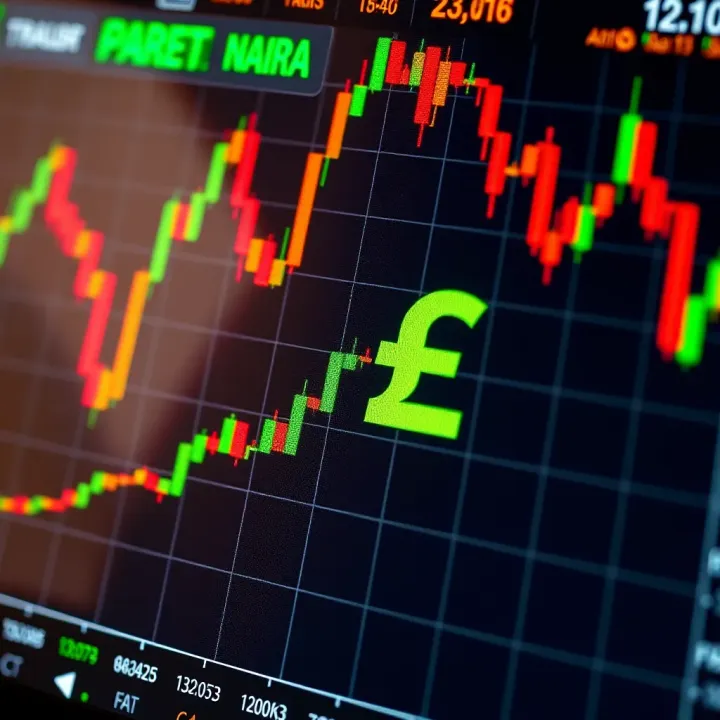
📈 Learn practical forex trading steps tailored for Nigerian traders 🇳🇬. Master strategies, manage risks, and navigate the market to grow your ₦-wallet confidently.
Based on 13 reviews