

Best Forex Trading Strategies for Nigerian Investors
Discover key tips for Nigerian investors to choose the best forex trading approach 💹. Learn market basics, broker selection, risk management, and avoid pitfalls for better trading outcomes.
Edited By
Henry Walker
Forex trading in Nigeria presents unique opportunities alongside distinct challenges. With the naira's volatility and regulatory shifts, Nigerian traders must adopt strategies that consider these local realities. Building a strong foundation begins with understanding the market environment and crafting an approach that mitigates risks while maximising gains.
Many Nigerian traders jump into forex without a clear plan, leading to losses that could have been avoided. The key is to balance technical skills with disciplined money management and emotional control.
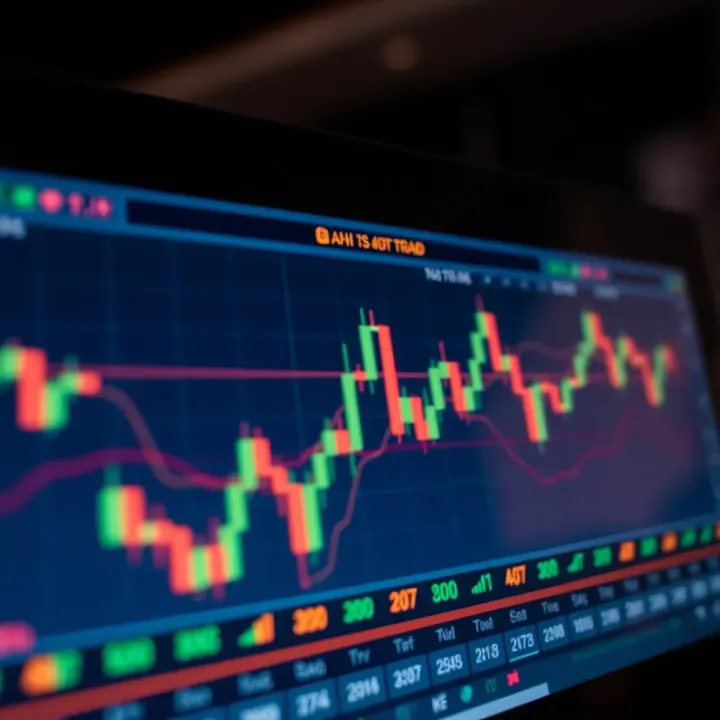
Successful forex trading in Nigeria relies not just on predicting currency moves but on managing risks and sticking to a tested strategy.
Understanding how global events influence the naira-dollar pair or euro-naira rate is crucial. For example, fuel subsidy changes or Central Bank of Nigeria (CBN) interventions often cause sudden swings. Knowing when to act or stay out can save you from steep losses.
Here are essential elements to focus on:
Market Analysis: Use both technical charts and fundamental news. Nigerian economic data, CBN policies, and global trends should guide your decisions.
Risk Management: Never risk more than 2% of your trading capital on a single trade. Setting stop-loss orders protects against sudden market reversals.
Trading Plan: Define entry and exit points clearly, and stick to them. Avoid emotional decisions, especially during ember months when markets become unpredictable.
Psychological Discipline: Control emotions like greed and fear. Keeping a trading journal helps you review mistakes and successes objectively.
In short, a robust strategy tailors global forex practices to Nigeria’s market quirks. With steady effort and discipline, you can improve your chances of consistent profits rather than relying on guesswork or luck.
Grasping the basics of forex trading is fundamental for any serious trader, especially within Nigeria's unique financial environment. Without a solid foundation, it becomes difficult to interpret market movements, manage risks, or develop effective strategies that work in real scenarios. For instance, a trader unaware of how news about the Central Bank of Nigeria (CBN) interest rate changes impacts the naira-dollar pair might make misguided decisions.
Forex trading, simply put, is the buying and selling of currencies to profit from fluctuations in exchange rates. Unlike stock trading, forex operates as an over-the-counter (OTC) market where participants trade directly through electronic platforms. Traders speculate on pairs of currencies, such as the US dollar (USD) against the Nigerian naira (NGN), aiming to buy low and sell high or vice versa, depending on market direction. This requires understanding how global economic events or local monetary policies influence currency values.
The forex market never truly sleeps; it runs 24 hours a day across different time zones, opening in Sydney, then Tokyo, London, and New York. This continuous cycle means Nigerian traders must know the active trading sessions because volatility varies throughout the day. For example, the overlap between London and New York sessions usually brings higher liquidity and more significant price movements. Also, trades happen through brokers who provide access to the interbank market, so selecting a reliable broker with good execution speed and transparent fees affects your trading success.
Focusing on the right currency pairs is vital. Major pairs like USD/EUR or USD/GBP are heavily traded globally, but Nigerian traders often pay close attention to USD/NGN because of its direct impact on local trade and purchasing power. Cross currency pairs such as EUR/GBP might show different dynamics unrelated to the naira but are useful for diversifying portfolios. Understanding each pair’s characteristics, including volatility and spread, helps you pick trades that fit your risk appetite and trading style.
"A clear understanding of basic forex concepts forms the backbone of a profitable trading journey in Nigeria, where external factors like naira volatility demand smart decision-making."
By mastering these fundamentals, Nigerian traders can navigate the forex market with confidence, making informed moves that stand up to both global trends and local challenges.
Making well-informed decisions in forex trading hinges on thorough market analysis. Nigerian traders who understand the underlying forces that move currency prices are better placed to avoid costly mistakes and seize trading opportunities. Analysing the forex market combines looking at economic fundamentals, reading price charts, and gauging market sentiment to form a clearer picture of where prices are headed.
Fundamental analysis focuses on economic data and news that shape currency values. For example, Nigeria’s balance of trade reports, inflation rates, or Central Bank of Nigeria (CBN) policy changes directly influence the naira’s strength. When the CBN adjusts interest rates, it often triggers sharp moves in the USD/NGN pair. Traders watch indicators like GDP growth, unemployment, and inflation figures from global economies affecting major pairs such as EUR/USD or GBP/USD. News events — from geopolitical tension to trade negotiations — can quickly shift forex prices. Keeping up with reliable news sources and economic calendars helps you anticipate and react to these moves effectively.

Technical analysis examines past price movements to predict future trends. This involves studying candlestick patterns, moving averages, support and resistance levels, and chart formations like flags or head-and-shoulders. For instance, a trader monitoring the EUR/USD pair might notice a double bottom formation indicating a possible price rebound. Technical tools provide entry and exit points, helping traders avoid rushing into trades blindly. Combining technical signals with local market knowledge — such as how the naira often reacts to petrol subsidy debates — can improve timing and profit potential.
Trader sentiment reflects the market’s mood and collective psychology, often influencing short-term price action. In Nigeria, where retail traders frequently respond to market hype or fear, recognising sentiment extremes can offer opportunities. If most traders are heavily long on the USD/NGN expecting further naira weakness, a contrarian might prepare for a pullback. Tools such as the Commitment of Traders report, or observing volume spikes and social media buzz, provide insight into prevailing enthusiasm or panic. Understanding market psychology helps you avoid herd behaviour and make rational, rather than emotional, trading decisions.
A solid forex strategy blends fundamental insights, chart reading, and sentiment analysis to steer clear of guesswork and trade with confidence.
Analysing the forex market this way gives Nigerian traders tangible advantages. It equips them to spot emerging trends, avoid false signals, and navigate the unique economic landscape at home and abroad. By practising these analysis methods regularly, you can sharpen your trading edge and improve your chances of consistent success.
Developing a practical forex trading strategy is vital for any Nigerian trader aiming to succeed in the currency market. Without a well-defined plan, traders risk jumping in blindly, which leads to losses and frustration. A solid strategy guides your decisions, helps you manage risks, and aligns your trading activities with your financial goals. For instance, knowing when to enter or exit trades limits rash decisions, especially in volatile markets like the naira-dollar pair.
Before placing a single trade, you must identify what you want to achieve. Clear goals provide direction and help measure progress. Are you targeting steady growth of your trading account, or are you looking for quick profits? Setting realistic expectations is key. For example, aiming to grow ₦100,000 by 10% monthly is more practical than hoping to double your capital every month. Defining goals also involves deciding on the time you can dedicate and the level of risk you can tolerate. These factors shape your entire approach and keep you focused.
Successful traders pick styles that fit their personality, schedule, and risk appetite. Here are popular styles common among Nigerian traders:
Day Trading: This involves opening and closing positions within a single day to capitalise on short-term market moves. Day traders need discipline and quick decisions, as trades can last minutes or hours. For Nigerians juggling daily work or errands, day trading offers flexibility but demands intense focus and access to reliable internet, especially during busy periods like ember months.
Swing Trading: Swing traders hold positions for several days or weeks to catch market swings. This style suits traders who cannot monitor charts all day but want to benefit from broader price movements. For example, a trader may hold onto a USD/NGN long position after bullish Central Bank announcements, expecting the naira to strengthen over the week. Swing trading balances patience and action, making it practical for many locals.
Position Trading: This is a long-term approach where trades last weeks to months, relying on macroeconomic trends. It requires less time monitoring but greater understanding of fundamentals, such as Nigeria's inflation rates or CBN policies. Position traders might ride trends driven by political events or global commodity prices affecting the naira.
Scalping: A highly active style focused on minute-to-minute trades to gain small profits repeatedly. Scalping demands sharp instincts and fast execution, which may be challenging during Nigeria's frequent power outages or unstable internet connections. However, experienced scalpers can thrive using mobile data and platforms with low latency.
Choosing the right broker is critical to ensure your funds and trades are secure. Look for brokers regulated by reputable bodies like the Nigerian Securities and Exchange Commission (SEC) or international regulators. Nigerian traders often prefer brokers that accept local payment methods such as bank transfers, USSD codes, or mobile wallets like OPay and PalmPay.
The trading platform should be user-friendly and stable, given Nigeria's occasional connectivity challenges. Platforms like MetaTrader 4 and 5 remain popular because of their ease and rich toolsets. Also, consider brokers with clear fee structures and responsive customer support to handle issues swiftly.
A practical forex trading strategy is a blend of clear goals, suitable style, and trustworthy brokers. Neglecting any element can lead to missed opportunities or losses, especially in a market as dynamic as Nigeria's.
Craft your strategy with care, test it with demo accounts, and adjust as you learn. This practical approach keeps you grounded and ready to tackle the forex market confidently.
Managing risk is the backbone of successful forex trading, especially in Nigeria where market volatility and external shocks can quickly erode your investment. Without proper risk management, even the most promising trade can wipe out weeks or months of profit. This section breaks down practical techniques to safeguard your capital while trading.
Stop-loss and take-profit orders are essential tools that help you control losses and lock in gains automatically. A stop-loss order instructs your trading platform to sell a currency pair once it hits a certain price, limiting how much you can lose if the market moves against you. Similarly, a take-profit order locks in profits by closing your position once it reaches a predetermined level.
For example, if you buy USD/NGN at ₦460 and set a stop-loss at ₦455, your trade will close automatically if the naira strengthens beyond that point, capping your loss at ₦5 per dollar. Conversely, setting a take-profit at ₦470 ensures you exit with a profit if the pair appreciates. Using these orders saves you from constant market monitoring and protects your capital during unexpected price swings.
Determining how much to risk on each trade is crucial. Position sizing means tailoring your trade size to the amount of capital you have and your risk tolerance. A common rule among forex traders is to risk no more than 1–2% of your total capital on any single trade.
Say your trading balance is ₦500,000. If you risk 2% per trade, you risk ₦10,000 on that deal. So, if your stop-loss is ₦5 per unit, you'd buy 2,000 units (₦10,000 ÷ ₦5). This way, a loss won't significantly damage your overall portfolio, letting you trade another day.
Good money management also means not overleveraging. High leverage might seem attractive but can magnify losses severely. Nigerian traders should be mindful of the leverage options their brokers offer and use them conservatively.
Many Nigerian traders stumble by chasing quick profits or ignoring risk controls, which often leads to emotional decisions and losses. One pitfall is overtrading, where traders enter too many positions without a clear strategy. This burns through capital rapidly due to spread costs, commissions, and mistakes.
Another common mistake is neglecting to adjust stop-loss orders when the market shifts. Holding on to losing trades hoping for a turnaround usually deepens losses. It's better to accept a small loss early than let it grow uncontrolled.
Discipline in risk management helps you survive bad runs and stay in the game long enough to benefit from good opportunities. Protecting your capital is not just about limiting losses; it gives you the confidence to trade smartly.
In sum, managing risk through systematic use of stop-losses, careful position sizing, and avoiding emotional mistakes forms the foundation of a sound forex trading strategy in Nigeria. These steps ensure your hard-earned naira works for you without exposing you to ruinous losses.
Maintaining discipline and psychological balance is at the heart of successful forex trading, especially in a market like Nigeria's where volatility and unpredictability can unsettle even experienced traders. Staying composed helps you stick to your strategy and avoid impulsive decisions that can erode your capital. For example, reacting irrationally to naira fluctuations or sudden news releases can lead to costly mistakes that a disciplined trader would avoid.
Emotions such as fear and greed often cloud judgment in forex trading. It's common for traders to panic during sharp market drops or jump in hastily when prices rally. To control emotions, use preset stop-loss orders to remove guesswork and limit losses automatically. Also, practising breathing techniques or stepping away momentarily during high-pressure moments can keep you grounded. For instance, if you see the dollar-naira pair plunging rapidly, staying calm and adhering to your trading plan rather than chasing losses will save you from reckless trades.
Forex trading success rarely comes from quick wins. Developing patience means waiting for the right signals rather than forcing trades. Consistency arises when you apply your strategy repeatedly without deviating due to short-term market noise. In Nigeria, where forex price swings can be sharp around economic events, patience is your shield against overtrading. An example is avoiding daily temptation to scalp every small movement and instead focusing on swings that fit your chosen trading style, whether you are swing trading or position trading.
A trading journal captures your decisions, reasons, outcomes, and emotions during trades, providing a clear record for reflection and growth. Nigerian traders can track how local factors like Central Bank of Nigeria (CBN) announcements or fuel subsidy changes affect their trades. Review your journal weekly to identify patterns, such as recurring errors or successful setups. Over time, this practice sharpens your decision-making and boosts confidence. For example, noticing you consistently exit trades too early can help you adjust strategy and maximise profits.
Discipline and psychological balance are the foundation blocks of sustainable forex trading, especially where market conditions can be tough. Mastering these personal skills will keep your trading grounded and profitable.
In sum, controlling emotions, cultivating patience, and keeping a detailed journal build a mindset that aids long-term forex success in Nigeria. These habits turn trading from guesswork into a skillful, manageable process.
Discover key tips for Nigerian investors to choose the best forex trading approach 💹. Learn market basics, broker selection, risk management, and avoid pitfalls for better trading outcomes.
📈 Discover practical forex trading strategies in PDF format tailored for Nigerian traders. Learn top tools to boost your ₦ gains and trade confidently today!

📈 Discover effective forex trading strategies tailored for Nigeria! Learn practical tips, risk management, and disciplined analysis to boost your success.
📈 Learn practical forex trading steps tailored for Nigerian traders 🇳🇬. Master strategies, manage risks, and navigate the market to grow your ₦-wallet confidently.
Based on 13 reviews