
Best Forex Trading Signals for Nigerian Traders
Discover how Nigerian traders can spot reliable forex trading signals 📈. Learn to choose signal providers wisely and manage risks for better profits 💡.
Edited By
Jack Morgan
Forex trading signals serve as navigational tools for Nigerian traders in the volatile currency market. Essentially, these signals provide advice on when to buy or sell specific currency pairs, helping traders avoid guesswork and react to market movements more confidently.
Signals are usually grounded in technical or fundamental analysis. For example, a forex signal might point out that the USD/NGN pair is likely to rise after a significant Central Bank of Nigeria (CBN) policy announcement, suggesting a buy position. Alternatively, a signal may arise from chart patterns, such as a moving average crossover, providing a cue to sell.
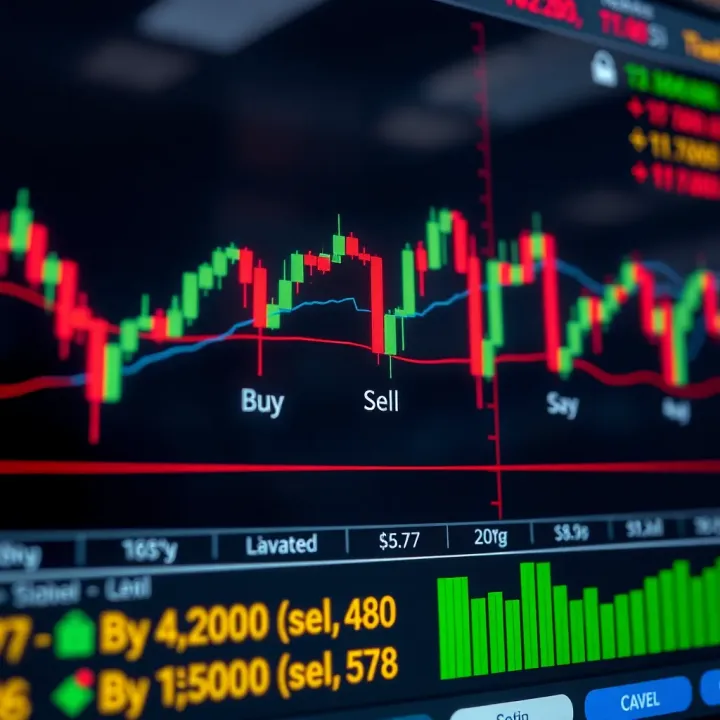
Many Nigerian traders rely on these signals to optimise their entry and exit points. This is especially helpful given the fast-paced nature of forex where delays can cost real money. Importantly, not all signals are created equal. You might find free signals shared over WhatsApp groups or paid services offered by specialised brokers and platforms like Paystack or Flutterwave.
Remember: Always assess signal providers based on their track record, transparency, and the clarity of explanations they offer. Blindly following signals without due diligence could drain your capital quickly.
To integrate signals effectively, Nigerian traders often combine them with their own analysis and risk strategies. For instance, a trader might use signals as a guide but still place stop-loss orders to limit potential losses, factoring in local challenges like naira volatility and frequent power supply disruptions that can affect real-time market monitoring.
In summary, forex trading signals can be reliable helpers when used wisely. Nigerian traders should focus on understanding the underlying reasons for each signal and maintain control over their trades rather than depend solely on these cues.
Forex trading signals are alerts suggesting the best time to buy or sell currency pairs. They guide traders by analysing market data and interpreting price movements, helping to make decisions faster and smarter. For Nigerian traders, who face daily challenges like erratic electricity and fluctuating naira exchange rates, timely signals can reduce guesswork and speed up trading actions.
At their core, forex signals serve as the trader’s signpost amid a busy market. They provide entry or exit points by revealing patterns, trends, or economic developments that might affect currency prices. For example, if the US dollar is weakening against the naira because of recent economic news, a signal could advise buying naira pairs early to profit from the shift. Signals ultimately aim to improve trading results and cut down on time spent staring at charts.
There are mainly two kinds of forex signals: manual and automated. Manual signals rely on expert human analysis — seasoned traders watch the market and send alerts based on their judgement. Automated signals come from algorithms or bots programmed to spot market patterns instantly. Each type has pros and cons: manual signals often reflect deeper market understanding, while automated ones offer speed and consistency. Nigerian platforms like MTN’s trading apps may promote automated signals, while local WhatsApp groups often share manual tips.
Forex signals come from diverse sources. Popular channels include social media groups, financial websites, mobile apps, and brokerage firms. In Nigeria, it’s common to find signals shared in WhatsApp groups with traders exchanging tips seggregated by those who specialise in major pairs like USD/NGN or EUR/USD. International platforms such as MetaTrader 4 (MT4) also provide signal services via plugins or partner providers. Knowing the source helps evaluate the credibility and relevance of each signal.
Signals don't guarantee success but offer an informed snapshot of the market. Nigerian traders should pair signals with their own knowledge and proper money management to avoid costly mistakes.
Through understanding what forex signals are and how they operate, Nigerian traders can approach forex with clearer expectations and better tools to navigate this fast-moving market.
Understanding the benefits and drawbacks of forex trading signals helps Nigerian traders make informed decisions about whether to rely on them. Signals can be handy tools, especially for traders juggling busy schedules or still building their market experience. However, knowing their limits prevents costly mistakes and overdependence.
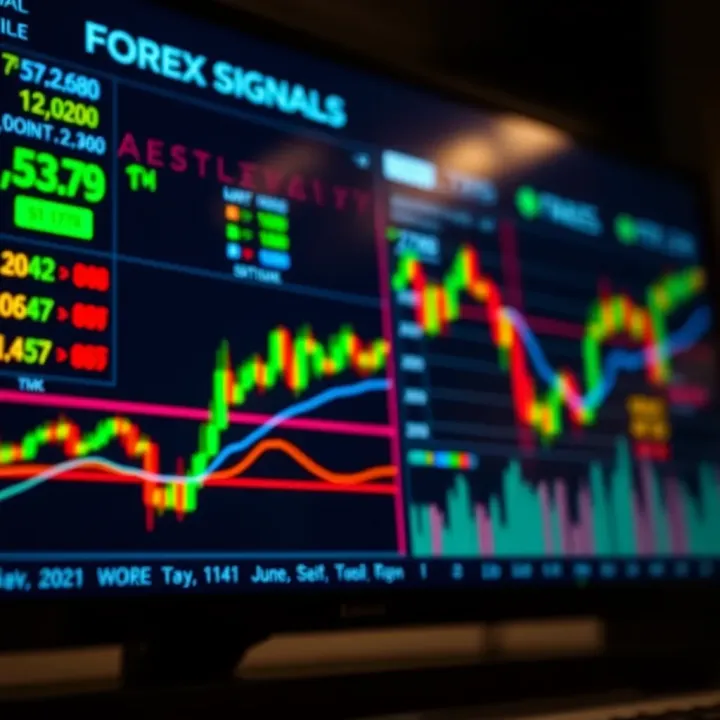
Forex trading requires constant market monitoring and analysis, which can be quite demanding. For many Nigerian traders, especially those balancing jobs or running small businesses, forex signals save precious time by flagging key trade opportunities right away. Instead of spending hours poking through charts and news, traders get instant alerts to act on. For example, a Lagos-based trader might receive a signal about a potential movement in the USD/NGN pair while at a barbing salon, enabling quick decisions without needing full market review.
Many signal providers incorporate professional analysis from experienced traders or sophisticated algorithms. Nigerian traders often lack access to seasoned market experts due to cost or local market gaps. Signals bridge this divide by delivering crowd-sourced or expert-backed advice. This helps traders learn market rhythms, key support and resistance levels, and economic triggers. A trader in Abuja receiving daily signals can sharpen their skills over time by understanding the rationale behind the picks.
Signals can boost winning chances when combined with solid risk management. For a new trader, following signals cautiously can reduce guesswork and limit losses, particularly in volatile pairs like EUR/USD or GBP/USD. Over time, traders develop better instincts, using signals as a guide rather than a crutch. In Nigeria’s forex scene, where volatile exchange rates and sudden policy swings affect prices, timely signals could mean the difference between profit and loss.
No provider guarantees 100% accuracy; some signals fail or lag behind market moves. Factors like sudden news, political changes, or technical glitches affect reliability. Nigerian traders should be aware that blind trust in signals may lead to losses. For instance, a signal predicting a rise in GBP/USD could be disrupted by last-minute Bank of England policy announcements, rendering the advice outdated.
Relying solely on signals without personal analysis risks becoming a passive trader. This weakens skill development and may cause poor decision-making in cases where signals are delayed or incorrect. Nigerian traders who treat signals like a lottery ticket may miss critical market understanding, which leads to losses when signals dry up.
Many quality signal services charge fees, either through subscriptions or commissions. For traders operating with small capital, these costs can erode profits if the signals don’t yield consistent results. A beginner in Port Harcourt paying ₦20,000 monthly for signals without clear returns might find this untenable in the long run.
Using forex trading signals offers tangible benefits, but Nigerian traders must weigh these against risks, costs, and the need for personal skill development to trade effectively.
Selecting a trustworthy forex trading signal provider is vital for Nigerian traders aiming to enhance their market decisions and safeguard their investments. With numerous options available, knowing what to look for helps avoid losses from inaccurate or delayed signals. Picking the right provider can save you time and improve your chances of profitable trades by delivering timely, accurate insights.
A provider’s history of successful signals is a key indicator of reliability. Traders should verify the accuracy of past signals, ideally through documented performance results or verified third-party reviews. Transparency about how signals are generated—whether through human experts, automated systems, or a combination—also matters. For instance, a provider openly sharing performance statistics and signal methodology gives you confidence that their services are not just guesswork but based on real analysis.
The way you receive signals largely affects how timely and practical they are. SMS alerts are popular among Nigerian traders because they work even on basic phones and with limited internet access. However, mobile apps can offer richer information such as charts and trade explanations but depend on stable internet. Email notifications are useful for detailed reports but may not be fast enough for rapid trading decisions. Therefore, consider your trading style and internet reliability in choosing a provider that delivers signals in the most convenient and effective manner.
Pricing varies widely among signal services, from free access with limited features to monthly subscriptions costing several tens of thousands of naira. While expensive services might offer more sophisticated analysis, free or low-cost options could suit beginners or those wanting to test the waters. Look for clear pricing policies without hidden fees. Also consider trial periods or money-back guarantees to evaluate if the signals meet your expectations before committing fully.
Many Nigerian traders join community platforms and WhatsApp groups to share forex signals and insights. These grassroots networks provide quick, real-time advice often tailored to local market conditions and trading preferences. However, because these groups vary widely in quality, it’s essential to vet the source and not blindly follow every recommendation. Successful traders usually combine signals from these groups with their own analysis to limit risks.
Several global forex signal companies have attracted Nigerian users through services adapted for the local market, often including payment methods like Paystack or Flutterwave. These providers generally offer more rigorous data-backed signals and professional support. While usually more reliable, the challenge lies in verifying authenticity to avoid scams. Nigerian users should check user reviews, regulatory compliance, and clear refund policies before subscribing.
Choosing a reputable forex signal provider involves more than just picking the cheapest or most popular option. Evaluating track record, delivery method, and cost will help you find a service that truly supports your trading goals in Nigeria’s vibrant forex market.
By focusing on these factors, Nigerian traders can confidently integrate signals into their strategies and trade smarter, not harder.
Using forex trading signals effectively means blending them into your overall trading game plan. Signals can provide timely entry and exit points, but relying on them blindly without a strategy invites losses. Nigerian traders should think of signals as tools that support decisions, not replace them. Integrating signals wisely improves consistency and helps navigate volatile conditions common in forex markets.
Setting stop-loss levels is crucial in managing potential losses from any trade based on forex signals. A stop-loss is a predetermined point where a trade is closed to limit loss. For example, if a signal advises buying USD/NGN at ₦460 and sets a stop-loss at ₦455, the position closes if the market moves unfavourably, preventing deeper loss. Given Nigeria’s currency volatility, this safety net protects your capital from sharp and unexpected swings.
Adjusting position sizes according to the risk involved in each trade ensures you don’t expose too much of your account on a single signal. Suppose your trading capital is ₦100,000 and you decide risk per trade should not exceed 2% (₦2,000). If the distance between your entry price and stop-loss represents potential loss of ₦1 per unit, you can only afford to buy 2,000 units. This calculation ensures losses stay manageable and trading remains sustainable over time.
Avoiding emotional decisions is about sticking to your plan and resisting panic or greed when signals don’t immediately follow expected paths. It’s easy to second-guess or double down impulsively during losing streaks, especially when the naira weakens sharply or global shocks hit. A disciplined approach — like following stop-loss rules and not chasing additional signals after losses — helps maintain a calm, clear mindset.
Confirming signals before acting means doing your own quick market check before executing trades. If a signal recommends selling EUR/USD, glance at recent trends, news about the European Central Bank or US Federal Reserve, and local factors like Nigerian forex policy changes. This step helps avoid blind reliance on signals and reduces chances of jumping on false alerts.
Learning basic forex fundamentals empowers traders to understand what drives currency moves—interest rates, geopolitical events, trade balances, and more. For example, knowing that the Central Bank of Nigeria’s policy stance influences the naira helps traders contextualise signals involving NGN pairs. This foundation supports better judgement and enables Nigerian traders to spot when signals align with or contradict market realities.
Integrating forex signals with strong risk management and personal analysis lays the groundwork for consistent success. It turns raw signals into informed opportunities, helping Nigerian traders turn market noise into profit.
Discover how Nigerian traders can spot reliable forex trading signals 📈. Learn to choose signal providers wisely and manage risks for better profits 💡.
Explore top forex trading platforms in Nigeria 📊. Learn how to pick the right one, navigate regulatory issues, and handle local market challenges confidently.
Master forex trading in Nigeria with our practical guide 📈. Learn market basics, risk management, tools, and how to navigate Nigeria's unique financial scene ⚖️.
Securely access your forex trading account in Nigeria with expert tips on choosing brokers, handling logins, browser use, and managing multiple accounts safely 💹🔐🇳🇬
Based on 15 reviews