

Basics of Forex Trading for Beginners in Nigeria
Learn forex trading basics 🌍 tailored for Nigerians 🇳🇬. Understand markets, strategies, risks, and platforms to trade confidently and manage your capital wisely.
Edited By
Oliver Bennett
Forex trading offers a viable avenue for Nigerians to earn extra income or diversify their investment portfolio. The foreign exchange market, or forex, is the world’s largest financial market with daily transactions worth trillions of dollars. Nigerian traders can tap into this vast market, but it requires understanding its unique features, especially the local challenges such as naira volatility and regulatory nuances.
Forex trading involves buying one currency while simultaneously selling another. For instance, if you expect the US dollar to strengthen against the naira, you might buy USD/NGN hoping to sell later at a profit. Unlike the stock market, forex trades run 24 hours on weekdays, reflecting global financial centres from London to New York and Tokyo.
Forex trading is not a get-rich-quick scheme. Success demands discipline, sound strategies, and risk management.
Accessibility: Most brokers accept small starting capital, sometimes as low as ₦10,000.
Liquidity: With billions traded daily, you can quickly enter and exit positions.
Diverse strategies: From day trading to swing trading, you can pick approaches that fit your lifestyle.
Leverage options: Brokers offer leverage to amplify gains, though this increases risk too.
Nigeria’s forex trading environment comes with peculiar risks:
Naira volatility: The naira’s exchange rate to major currencies like the dollar fluctuates due to external shocks and monetary policy. This can affect profit calculations if funds are converted back to naira.
Regulatory environment: The Securities and Exchange Commission (SEC) and Central Bank of Nigeria (CBN) monitor forex trading, and traders must avoid unauthorised platforms and scams.
Payment and withdrawal difficulties: Challenges in transferring funds to and from brokers may occur, especially with local bank restrictions or foreign exchange controls.
Understanding these factors upfront helps Nigerian traders prepare better and choose reliable platforms.
This guide will walk you through fundamental forex concepts, choosing the right broker that operates in Nigeria, setting up trading platforms like MetaTrader or proprietary apps from brokers such as FXTM or OctaFX, and how to use technical and fundamental analysis effectively. We will also cover practical risk management, including how to guard your capital against unexpected swings and avoid common pitfalls Nigerian traders frequently encounter.
Forex trading can be rewarding, provided you approach it with caution, knowledge, and patience. This tutorial sets you on that path to becoming a confident trader in the Nigerian context.
Grasping the basics of forex trading is necessary for any Nigerian trader aiming to navigate global currency markets with confidence. Forex trading is not just about guessing exchange rate movements; it involves understanding key concepts, market behaviours, and timing, all of which directly impact your potential returns and risks. For a practical trader in Lagos or Abuja, knowing how forex operates helps in making smarter decisions, especially when dealing with naira volatility and local economic shifts.
The forex market, short for foreign exchange market, is where currencies are bought and sold worldwide. It is the largest and most liquid financial market, with daily volumes surpassing US$6 trillion globally. For Nigerian traders, the forex market offers avenues beyond local investments, letting them trade currencies like the US dollar, euro, or pound against the naira.
Understanding this market means recognising it runs 24 hours a day during weekdays, because it shifts across the world’s financial hubs—Asia, Europe, and the Americas. This continuous operation makes timing and strategy essential for local traders, especially given Nigeria’s unique trading hours and local market conditions.
Forex trading always happens in pairs: one currency is bought while the other is sold simultaneously. Each pair involves a base currency and a quote currency. For example, EUR/USD means buying euros with US dollars. If the pair is quoted at 1.1200, it means one euro costs 1.12 US dollars.
For a Nigerian trader, popular pairs include USD/NGN or EUR/NGN, though many brokers offer these as cross-currency pairs due to naira restrictions. Understanding currency pairs helps you anticipate how changes in one economy or policy—say a CBN intervention—can affect the value and your trading position.
The forex market operates through different sessions—Asian, European, and US. Nigerian traders mainly engage in the European and US sessions due to time zone overlaps. The European session (roughly 8:00 am to 5:00 pm WAT) is especially active, with London as a major hub.
Trading during these peak hours usually offers better liquidity and tighter spreads, meaning the cost of trading is lower and price movements are more predictable. Nigerian traders must plan to operate within these sessions to take advantage of increased market activity.
A pip stands for "percentage in point" and measures the smallest price change in a currency pair, typically 0.0001 for most pairs. For example, if USD/NGN moves from 420.10 to 420.15, that's 5 pips.
The spread is the difference between the buy (ask) and sell (bid) price quoted by brokers. A smaller spread means cheaper trading costs. Leverage lets you control a large position with a small amount of capital—for example, with 1:100 leverage, ₦10,000 controls ₦1,000,000 in the market. While leverage amplifies profits, it also magnifies losses, so careful use is vital.
A lot is the size of your trade. Standard lots equal 100,000 units of base currency, but Nigerian brokers often offer mini or micro lots (10,000 or 1,000 units) which suit smaller accounts.
Margin is the amount of money required to open a position. Suppose you want to trade a mini lot on EUR/USD with 1:50 leverage; you’ll need 2% of the total trade value as margin. Local traders must monitor margin closely to avoid sudden liquidation, especially during naira fluctuations.
Going long means buying a currency pair expecting its value to rise, while going short means selling it anticipating a drop. Suppose you expect the naira to weaken against the dollar; you’d go long on USD/NGN, profiting as the pair rises.
Understanding these terms allows traders to act quickly and respond to market changes intelligently rather than reacting blindly.
Clear knowledge of forex basics helps Nigerian traders minimise costly mistakes, manage risks realistically, and spot opportunities tailored to the local financial environment.
Getting your forex trading account set up properly in Nigeria is the first step towards successful trading. This process isn't just about signing up; it involves choosing the right broker, preparing essential documentation, and understanding how to fund your account safely. Doing this well helps avoid headaches like delayed transactions or falling victim to scams.
Regulatory considerations are fundamental when selecting a broker. Nigerian traders should look for brokers registered with the Securities and Exchange Commission (SEC) Nigeria or those who hold licences from respected global regulators such as the FCA (UK) or CySEC (Cyprus). A regulated broker assures you that your funds are protected under certain rules, and that the broker follows fair trading practices. For example, an SEC-licensed broker in Lagos will have to comply with local regulations, giving you some security against fraud.
When it comes to evaluating broker reputation, investigating customer reviews, official ratings, and past disciplinary records is vital. Popular Nigerian forex forums and fintech reviews give insight into the customer experience with brokers like Alpari or FXTM. A broker with constant withdrawal delays or erratic communication is a major red flag. Repeat complaints about sudden account freezes or poor order execution mean you should avoid that broker to protect your investment.
The choice between local and international brokers has practical impacts. Local brokers may offer easier funding options and tailored customer support familiar with Nigerian financial systems. However, international brokers tend to provide better spreads and more trading instruments. Take Alpari, an international broker, for instance; it allows Nigerian traders to access global markets with sophisticated platforms. Weighing these factors against your own trading style and risk tolerance helps you pick the best fit.
To open a forex account in Nigeria, you'll need documentation like your Bank Verification Number (BVN) and National Identification Number (NIN). These IDs verify your identity and help brokers comply with anti-money laundering laws. For example, most brokers in Nigeria will require you to submit your BVN to ensure you’re the rightful owner of the bank account funding your trades.
Deposit options available in Nigeria vary from bank transfers, debit cards, to popular payment gateways like Paystack and Flutterwave. Some brokers now support direct naira deposits, eliminating the hassle of converting currencies immediately. This flexibility reduces transaction costs and shortens delay times. For instance, using USSD via your bank app to fund a forex wallet can be much faster than sending money through international wire transfers.
Lastly, the issue of using naira and currency conversion matters because most forex trading occurs in major currencies like the US dollar or euro. If your broker does not support naira as a base currency, your deposits will incur conversion charges that reduce your effective capital. To save on costs, some traders open multi-currency accounts or use Nigerian fintech services that offer competitive FX rates. Understanding the conversion process helps you avoid surprises when funding your account or withdrawing profits.
Setting up your forex trading account the right way ensures you trade safely, avoid unnecessary fees, and stay compliant with Nigerian financial regulations — all crucial for building trust and success in this market.
For Nigerian forex traders, having the right tools and platforms is more than just convenient — it can determine success or failure. These resources help you analyse the market, execute trades swiftly, and manage risk properly, all while navigating challenges like naira fluctuations and country-specific regulations. Picking the right platform and analysis tools equips you to react to events, spot trends, and control your trading effectively.
MetaTrader 4 (MT4) and MetaTrader 5 (MT5) are among the most widely used forex trading platforms globally, and many Nigerian traders rely on them. MT4 is praised for its simplicity, offering easy charting, a range of technical indicators, and support for automated trading via Expert Advisors (EAs). MT5 expands on this by supporting more asset types, offering an economic calendar, and additional timeframe options. Both platforms work well on desktop and mobile, allowing Nigerian traders to manage positions even during peak traffic hours or power outages.
Traders find MT4 useful for straightforward forex trades, while MT5 suits those wanting advanced features and more market options. For example, a Lagos-based trader can set stop-loss orders on MT4 to guard against sudden naira dips, while a more experienced user might prefer MT5’s depth of market tool to anticipate price moves during CBN policy changes.
Mobile trading apps are indispensable for Nigerian traders dealing with busy schedules and unreliable power supply. Platforms like OANDA and Alpari offer user-friendly apps that sync with desktop accounts, ensuring seamless trading anytime, anywhere. These apps include live price feeds, charting tools, and quick order execution—vital for capitalising on volatility, especially during ember months when naira often faces pressure.
Beyond ease of access, apps like OANDA provide real-time news updates that keep traders informed of global events affecting currency pairs, such as FED rate decisions or oil price shocks. For Nigerian traders who rely on smartphones rather than PCs, these apps offer a practical way to stay competitive.
Choosing a platform depends on your trading style, experience, and resources. Beginners might prioritise simple interfaces with tutorial support, while advanced traders may need complex charting tools and algorithmic trading capabilities. For instance, a trader who focuses on short-term scalping needs ultra-fast order execution and low spreads, which some brokers exclusively offer on MT4. Conversely, a swing trader who monitors medium-term trends might lean towards MT5 or apps with robust fundamental analysis features.
Bandwidth and device capability also weigh in. In areas with unstable internet, lighter platforms or mobile apps that consume less data might be preferable. In essence, Nigerian traders should match the platform’s features to their strategy and local realities, not just global hype.
Technical indicators like Moving Averages, Relative Strength Index (RSI), and Bollinger Bands help Nigerian traders make sense of price movements and spot trading opportunities. For example, RSI can indicate when the naira-dollar pair is overbought or oversold, signalling buy or sell moments. Traders applying these indicators on MT4 or MT5 can set alerts to act quickly, especially when market conditions get choppy during fiscal policy announcements.
While no technical tool gives guaranteed predictions, combined indicators boost confidence and reduce impulsive decisions. Nigerian traders familiar with these tools can better manage entry and exit points, increasing potential profits while limiting losses.
Fundamental analysis looks beyond charts to factors like economic data, political developments, and central bank policies. For Nigerian forex traders, this means tracking CBN monetary moves, inflation reports, and oil price trends since Nigeria is an oil-dependent economy. Understanding how these elements affect naira value enables you to anticipate market shifts.
For example, if the Nigerian government announces fuel subsidy removal, a trader who follows fundamental analysis can expect naira depreciation and position accordingly. Incorporating news from local media and international agencies into your analysis forms a complete picture, complementing technical tools.
Economic calendars list dates for key economic events like interest rate decisions, GDP releases, and unemployment figures. Nigerian traders benefit from calendars customised to include relevant global and local events with time zones adjusted for WAT (West Africa Time).
Such calendars help plan trades to avoid unnecessary risks during volatile periods. Knowing the exact timing of US Federal Reserve announcements or Nigerian economic reports means you can avoid being caught off guard. Many forex platforms integrate economic calendars directly, making them easy to access alongside your trading charts.
Having the right tools and platforms tailored to Nigerian traders’ needs can mean the difference between a well-timed trade and a costly mistake. Whether through trusted software like MT4 or mobile apps like OANDA, combined with sharp analysis tools, you get the edge required to succeed in Nigeria’s dynamic forex market.
Developing effective trading strategies is at the heart of success in forex trading, especially for Nigerian traders navigating the unique market challenges. A solid strategy guides your decisions, reduces emotional trading, and helps maximise profits while managing risks. Without a clear plan, even the best brokers or platforms can leave you exposed to avoidable losses.
Scalping and day trading involve making multiple quick trades to capture small price movements within minutes or hours. This approach needs close attention to charts and swift execution, making it suitable for traders who can monitor the market actively during Nigerian trading hours. For example, a scalper in Lagos might catch minor price shifts during overlaps of the London and New York sessions when liquidity is highest.
Swing trading techniques focus on holding positions for days or even a couple of weeks to benefit from short- to medium-term trends. Swing traders use technical analysis and sometimes fundamental news to spot entry and exit points. A Nigerian trader might watch for central bank announcements or commodity price changes affecting the naira, then hold on to trades that could gain from these shifts.
Position trading for beginners is a longer-term approach, often extending to several weeks or months. This style requires patience and less time monitoring daily price movements, making it fitting for Nigerians balancing trading with other commitments. For instance, holding trades based on broader economic trends like inflation rates or foreign exchange interventions by the Central Bank of Nigeria (CBN) can be a solid entry point for newcomers.
Managing naira fluctuations is vital since exchange rate swings directly affect forex profits and losses. Nigerian traders should monitor the naira’s strength carefully, especially against the dollar. Frequent volatility means you might want to adjust stop-loss levels tighter than usual or avoid overleveraging during periods of sharp currency shifts.
Staying updated with CBN policies and news can significantly improve your trading edge. The Central Bank’s intervention in foreign exchange markets, changes in monetary policy rates, or official stance on foreign exchange availability frequently impact currency pairs. Timing your trades around these announcements often makes the difference between profit and loss.
Timing trades around local economic events like petrol subsidy decisions, budget announcements, or election cycles adds another practical layer to your strategy. Understanding these events helps you anticipate market mood swings. For example, the fuel subsidy removal announcements tend to cause short-term naira volatility, which savvy traders can exploit by entering or exiting positions accordingly.
Successful forex trading in Nigeria demands not just textbook strategies but smart adjustments to local realities, especially the naira’s behaviour and CBN’s policy moves. Incorporate these elements to build strategies that stand the test of real market conditions.
By focusing on the strategies above and tailoring them to Nigeria’s forex environment, you build a more resilient and effective trading approach. Remember, consistent review and adjustment based on real-world events and personal experience remain key to long-term success.
Managing risks in forex trading is not just about protecting capital; it determines your survival in the long run. Nigerian traders face additional challenges like naira volatility and occasional regulatory shifts, so understanding how to control losses while maximising gains is essential. Avoiding common mistakes, especially those that scammers exploit, is equally critical for safeguarding both funds and peace of mind.
Traders use stop-loss orders to limit potential losses on a trade by automatically closing a position when the price moves against them to a predefined level. For example, if you buy a currency pair at 1.3000 and set your stop-loss at 1.2950, your position closes when the price dips to 1.2950—capping your loss at 50 pips. Take-profit orders work the other way, locking in profits once the price hits your target. These tools help Nigerian traders avoid holding onto losing positions, which can drain trading accounts quickly, especially during volatile periods such as when the Central Bank of Nigeria (CBN) announces policy changes.
Position sizing means deciding how much of your capital to risk on a single trade. The common rule traders follow is risking only 1-2% of their account balance per trade. For instance, if your trading account holds ₦500,000, risking 2% means you should not risk more than ₦10,000 on any trade. Proper sizing protects you from sudden losses that could wipe your account and also gives room to manage several trades simultaneously. Nigerian traders sometimes get overexcited and gamble large portions of their funds; this approach often leads to losing streaks that could have been avoided with sensible position sizing.
Consistently following your trading plan is vital. Without discipline, emotions like fear and greed take over, pushing traders to deviate from strategies, overtrade, or hold losing positions too long. Discipline entails sticking to your stop-loss levels, analysing every trade objectively, and accepting losses as part of the game. That said, many Nigerian traders get tempted to chase quick profits especially during market hype or ember months when financial stress peaks. Staying disciplined helps avoid those costly temptations.
Forex scams in Nigeria often promise guaranteed profits, unusually high returns in short periods, or pressure traders to deposit more funds quickly. Unsolicited messages touting secret strategies or insisting on recruitment are common red flags. Genuine brokers never promise fixed profits—they emphasise risk management. Nigerian traders should watch out for brokers that lack clear contact information or regulatory details, or those who refuse to allow withdrawal of funds.
Working with brokers regulated by recognised authorities like the Securities and Exchange Commission (SEC) Nigeria or reputable international bodies provides some assurance. For example, brokers registered with SEC Nigeria comply with local laws and offer protection mechanisms. Some trusted brokers active in Nigeria include FXTM, Pepperstone, and Exness. Always verify licences and read trader reviews to avoid dealing with tokunbo brokers who might disappear with your funds.
Ponzi schemes disguise themselves as forex investment programmes but pay returns to earlier investors using the capital of newer investors, not real trading profits. Nigerian traders should avoid schemes asking for referral fees or promising passive income without any trading activity on their part. Legitimate brokers enable you to trade your account, access live price feeds, and verify transactions through recognised platforms like MetaTrader. Awareness of such schemes is crucial because many Nigerians have lost millions in these fraudulent setups.
Wise traders focus on protecting capital first before chasing profits. Managing risks and staying clear of scams build a sturdy foundation for long-term success in forex, especially within Nigeria's unique market environment.
Learn forex trading basics 🌍 tailored for Nigerians 🇳🇬. Understand markets, strategies, risks, and platforms to trade confidently and manage your capital wisely.
💱 Starting with Forex trading in Nigeria? Learn essential basics, how it works, risks, and smart tips to trade safely and confidently in the local market.
📈 New to forex trading in Nigeria? This beginner guide breaks down key concepts, practical steps, and smart strategies to trade currencies wisely and confidently.
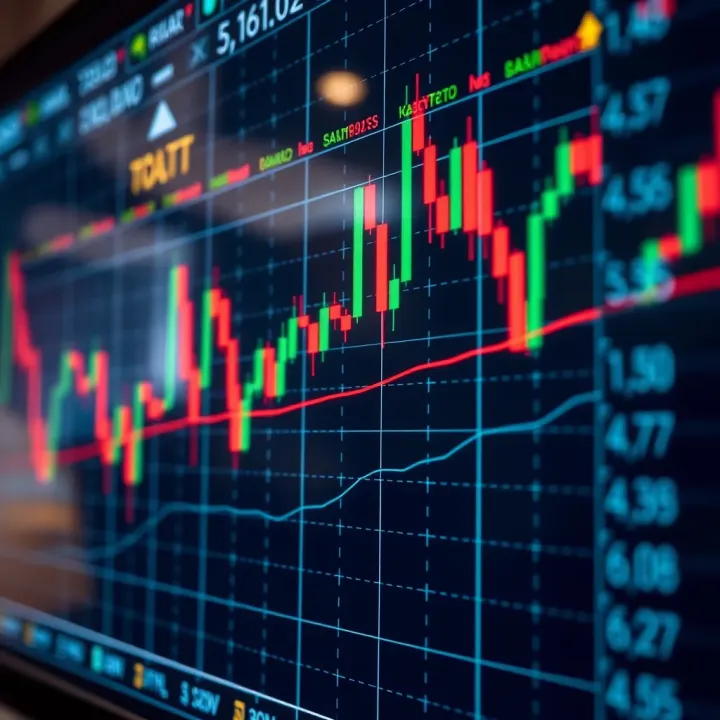
💱 Learn practical forex trading basics, market operations, strategies & risk tips tailored for Nigerian traders. Start smart with clear insights today!
Based on 15 reviews