
Basics of Forex Trading for Beginners in Nigeria
Learn forex trading basics 🌍 tailored for Nigerians 🇳🇬. Understand markets, strategies, risks, and platforms to trade confidently and manage your capital wisely.
Edited By
Edward Williams
Forex trading is increasingly catching the eye of Nigerian investors looking to diversify beyond traditional markets like stocks or real estate. However, forex market dynamics can be tricky without solid grounding. This is where a focused forex trading course tailored for Nigeria’s unique environment becomes valuable.
Forex, short for foreign exchange, is the global marketplace where currencies are bought and sold. Success involves more than guessing currency movements; it demands grasping market indicators, economic events, and trader psychology. In Nigeria, factors like exchange rate fluctuations, Central Bank of Nigeria (CBN) policies, and foreign exchange controls heavily influence trading outcomes.
Many global courses do not address local conditions such as naira volatility, official FX regulations, and challenges with liquidity. A Nigerian-centric course bridges this gap by:
Providing insights on how CBN’s monetary policies affect currency pairs like USD/NGN
Teaching risk management strategies that consider Nigeria’s fluctuating power supply and unstable internet connections
Offering practical training using platforms popular in Nigeria such as MetaTrader 4 and local brokers regulated by the Securities and Exchange Commission (SEC)
Enrolling in a course focused on Nigeria equips traders to anticipate market shocks linked to local events like fuel subsidy announcements or political developments.
When looking for a course, expect the curriculum to cover:
Basics of forex markets: currency pairs, pips, leverage
Technical analysis: chart reading, trendlines, indicators
Fundamental analysis: interpreting economic data, news impact
Trading psychology: managing emotions and discipline
Local regulatory environment and broker selection
Practical trading sessions using demo and live accounts
Taking a forex course helps you avoid expensive trial-and-error mistakes. Instead, you learn tested strategies tailored for Nigeria. With qualified trainers, you gain access to mentorship and peer discussion — something missing when trading alone.
In sum, a well-chosen Nigerian forex course does not just teach you theory, it builds confidence and skills to trade smartly within Nigeria's complex market landscape.
Understanding forex trading is foundational for anyone looking to navigate the currency markets effectively, especially Nigerian traders. Forex trading involves buying and selling currencies to profit from changes in their exchange rates. Given Nigeria's unique economic context—marked by naira fluctuations and external pressures—knowledge of how forex works can be a real advantage.
At its core, forex trading is about exchanging one currency for another. For instance, when you purchase US dollars with naira, you’re speculating on the naira's strength or weakness against the dollar. The price you pay or receive is the exchange rate, influenced by demand, economic conditions, and geopolitical events. This process happens through brokers or platforms online, which provide the interface for trading currencies.
Knowing this helps you anticipate currency moves and manage your trades better. Say, during an election year in Nigeria, political uncertainty might cause the naira to weaken, creating opportunities for forex traders to capitalise on such shifts.
Forex markets revolve mostly around major currency pairs—the most traded ones globally. These include pairs like EUR/USD (Euro/US Dollar), GBP/USD (British Pound/US Dollar), and USD/JPY (US Dollar/Japanese Yen). For Nigerian traders, the USD/NGN pair is particularly important but often traded on parallel markets due to restrictions.
Knowing the behaviour of major pairs is vital because they often set the tone for other currencies’ movement. For example, global economic news affecting the US Federal Reserve’s policies can abruptly shift USD-related pairs, impacting the naira's value indirectly. Successful traders watch these pairs closely to predict market trends.
The naira has experienced considerable volatility in recent years, influenced by oil price swings, government policies, and import demands. This instability means forex trading offers an avenue to protect wealth or even grow capital if you understand the market well.
For instance, a trader who anticipates a naira devaluation can take positions that benefit when the naira weakens against the dollar. However, it requires sharp timing and understanding risk because the market can swing unexpectedly, especially with sudden policy announcements or changes from the Central Bank of Nigeria (CBN).
Nigerians have increasingly turned to forex to preserve value against inflation and currency depreciation—informed trading can make a notable difference.
The internet has broken down barriers, giving Nigerian traders direct access to global forex markets 24/5. Platforms like MetaTrader, OANDA, and local fintech offerings make it possible to trade from Abuja, Lagos, or anywhere with internet connection.
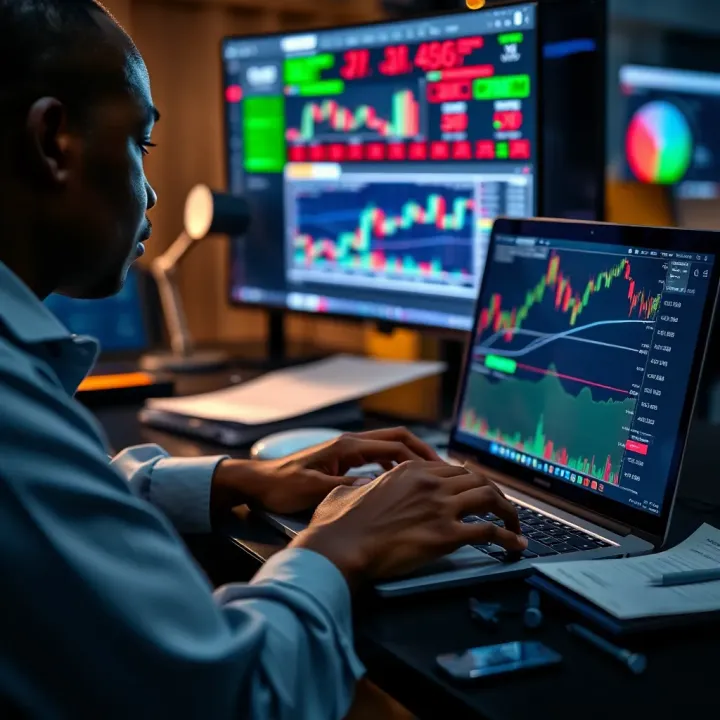
This connectivity means you’re not limited by the local economy alone; you can trade currencies impacted by events anywhere in the world, from US interest rate changes to Brexit developments. The key is choosing a reliable broker regulated by international and Nigerian authorities to avoid scams and enjoy smooth transactions.
Having access also means you can start with demo accounts to practice without risking real money—a crucial advantage for newcomers trying to build confidence.
By grasping these fundamentals, Nigerian traders can appreciate why forex is more than just currency swapping; it’s a chance to engage with global finance using strategies tailored to local realities and individual goals.
A solid forex trading course equips you with essential tools and understanding to navigate the market with confidence. In Nigeria, where currency volatility presents both risks and opportunities, grasping core topics becomes a must to protect your investment and make informed decisions.
Understanding technical jargon like pips, lots, leverage, and margin is fundamental. A pip represents the smallest price movement in a currency pair, often 0.0001 for most pairs. For instance, if EUR/USD moves from 1.1200 to 1.1205, that’s a 5-pip increase. Lots denote trade sizes; a standard lot equals 100,000 units of the base currency. Using lots helps standardise trade sizes while calculating profits or losses.
Leverage lets you control a large position with a smaller capital outlay. For example, 100:1 leverage means you can trade ₦100,000 with just ₦1,000. However, leverage magnifies both gains and risks. Margin is the collateral you deposit to open a leveraged position—think of it as a security bond. Without understanding this, many Nigerian traders end up wiped out quickly, especially when the naira’s unpredictability meets high leverage.
Economic indicators like inflation rates, GDP growth, and Central Bank of Nigeria (CBN) monetary policies influence forex markets deeply. For example, if inflation in Nigeria rises sharply, the naira may weaken, affecting currency pairs like USD/NGN. By tracking such indicators, traders anticipate market shifts. This knowledge helps you avoid surprises when the CBN adjusts interest rates or when global events cause sudden currency moves.
Recognising common chart patterns and indicators lets traders spot potential market directions. Patterns such as the 'head and shoulders' or 'double bottom' indicate reversal or continuation trends. Using tools like Moving Averages, RSI (Relative Strength Index), or Bollinger Bands helps measure momentum and volatility. For instance, when RSI crosses above 70, it may signal that a currency is overbought and could reverse.
Trend lines and support/resistance levels are practical ways to map price action. Support indicates a price level where demand is strong enough to prevent further decline; resistance is where selling pressure caps upward movement. For example, if USD/NGN has previously bounced back around ₦460, that level acts as support. These lines guide Nigerian traders to set entry and exit points more strategically, avoiding guesswork.
Using stop-loss and take-profit orders protects your capital actively. A stop-loss automatically closes a position when the price moves against you by a set amount, limiting losses. Meanwhile, take-profit locks in gains once a price target is hit. For example, if you buy EUR/USD at 1.1200, you might set a stop-loss at 1.1180 and a take-profit at 1.1250 to manage your risk and reward upfront.
Position sizing and diversification matter just as much. Position sizing involves calculating how much to trade relative to your total capital, so no single trade threatens your whole account. Nigerian traders often overlook this, risking large chunks of ₦50,000 or more on one trade. Diversification means spreading trades across different currency pairs or asset classes to reduce overall risk. Applied well, these strategies improve longevity in the market, helping you survive the unpredictability of currencies like NGN.
Mastering these core topics gives Nigerian traders a practical edge. Without them, what might seem like a quick money opportunity often ends in hefty losses. A course that thoroughly covers these areas prepares you for real market conditions and builds your confidence to trade wisely.
Selecting an appropriate forex trading course is a critical step for anyone serious about navigating the forex market effectively, especially in Nigeria where market conditions can be volatile. The right course lays a solid foundation, reduces costly beginner mistakes, and boosts your confidence as a trader. However, not all courses deliver quality or relevant content, so careful evaluation matters.
Accreditations and instructor experience are vital indicators of a course’s reliability. Look out for courses backed by recognised financial education bodies or industry certifications. Experienced instructors who have real trading backgrounds—preferably with at least a few years trading forex and teaching—bring practical knowledge that textbooks often lack. For example, an instructor who has navigated naira fluctuations firsthand can supply crucial insights on managing risks specific to Nigerian traders.
Reviews and success stories from Nigerian traders offer social proof. Genuine testimonials about skill improvements or profits made after course completion show the course’s practical impact. Avoid courses with overly generic or suspiciously perfect reviews. Platforms like local forums, social media groups for traders, or word of mouth from known traders can give clearer clues about a provider’s reputation.
The choice between online courses and in-person sessions depends on your learning style and availability. Online courses cater well to those who prefer learning at their own pace or live outside major cities like Lagos or Abuja, where in-person options might cluster. They also allow revisiting lessons multiple times. On the other hand, in-person sessions offer more direct interaction, instant feedback, and networking opportunities with peers and mentors.
Flexible schedules for working professionals are crucial. Many Nigerian traders juggle day jobs with forex learning; a course that offers evening or weekend classes, or asynchronous online modules, lets them balance responsibilities effectively. Without flexibility, consistent attendance and focus on the course may suffer, undermining the learning process.
Understand typical cost ranges in Nigeria before enrolling. Forex courses vary from free webinars to premium programmes charging upwards of ₦50,000. High price doesn’t always guarantee quality, so scrutinise what’s included—course duration, materials, post-course support, and access to trading tools. For instance, a ₦30,000 course offering live mentorship and practical trading assignments might offer more value than a ₦70,000 course with just recorded videos.
Free resources and trials are worth considering before any commitment. Many providers offer sample lessons, ebooks, or demo accounts allowing you to test teaching style and platform ease. Moreover, free online content from trusted sources—such as reputable Nigerian forex blogs or YouTube educators—can supplement learning without upfront costs.
Choosing a forex trading course wisely saves you time, money, and frustration. Verify accreditations, check real experiences from Nigerian traders, and pick formats and fees that fit your lifestyle and budget.
By paying attention to these elements, you’re more likely to find a course that prepares you to trade confidently in Nigeria’s dynamic forex market.
Completing a forex trading course is only the beginning; the real work starts when you apply what you've learned. Practical steps after the course help bridge the gap between theory and actual trading, which is essential for success in Nigeria's dynamic forex environment. Taking deliberate action increases your chances to manage risks well and capitalise on market opportunities.
Selecting a reliable broker regulated by relevant authorities is vital to protect your funds and ensure fair trading conditions. In Nigeria, choosing a broker recognised by regulatory bodies like the Securities and Exchange Commission (SEC) guarantees some level of oversight. It also helps prevent fraud, which unfortunately is common in the forex space. For example, brokers regulated by SEC or international regulators like the FCA (Financial Conduct Authority) provide safer environments compared to unregulated ones.
Understanding account types and requirements matters when choosing the broker's offerings. Brokers typically offer different account tiers based on minimum deposits, leverage options, and spreads. A beginner might choose a micro account with lower capital and reduced risk exposure, while experienced traders may use standard accounts for bigger trades. Knowing these options lets you match your funds and risk appetite appropriately, preventing unnecessary losses.
Setting goals and identifying trading style lays the foundation for structured and disciplined trading. Whether your goal is to earn a side income or grow capital long-term, clearly defining targets helps shape your trading approach. Some traders prefer day trading for quick gains, while others opt for swing trading, holding positions over days. Knowing your style aligns your strategies with lifestyle and psychological comfort, limiting costly mistakes.
Backtesting strategies with demo accounts allows hands-on practice without risking real money. Demo accounts simulate live market conditions, letting you test how your planned trades might perform. If, for instance, your analysis shows USD/NGN pair reacts strongly to certain economic news, you can try trades on the demo before going live. This step builds confidence and reveals weaknesses in your approach before any real loss.
Managing emotions and avoiding impulsive trades is a core challenge for many forex traders. Fear and greed can easily cloud judgement, leading to rash decisions like overtrading or ignoring stop-loss limits. Nigerian traders dealing with volatile naira rates must stay especially sharp. Practising discipline, using predefined rules, and taking breaks during market stress help keep emotions in check.
Adapting to market changes and continuous learning is necessary in forex, where conditions shift quickly due to geopolitical events or Central Bank policies. No course covers everything, so staying updated via news sites, financial reports, and ongoing training is key. Nigerian traders should keep an eye on CBN policy shifts or global crises impacting forex pairs to adjust their strategies accordingly.
Remember, a good forex trader pairs knowledge with action. Your success depends on how well you apply course content in real markets, backing it with solid plans and emotional control.
By carefully choosing your broker, crafting a solid trading plan, and preparing for typical hurdles, you’ll set yourself up for a smoother path in Nigeria’s forex trading world.
Navigating the legal and regulatory landscape is key for anyone serious about forex trading in Nigeria. It protects traders from fraud, ensures fair practices, and helps maintain market stability. Understanding how Nigerian authorities regulate forex trading helps traders comply with laws and avoid pitfalls.
The SEC supervises capital markets activities in Nigeria, including forex brokerage firms that operate within the country. Its role is to ensure that companies offering forex trading services meet strict standards around transparency, financial reporting, and client protection. This means that when choosing a broker or course provider, traders should verify whether the firm is registered with the SEC. A registered broker is obligated to follow rules that reduce risks for traders, such as segregating client funds and reporting regular audits.
For example, if a forex broker claims to operate legally but lacks SEC registration, this should raise red flags immediately. The SEC also periodically issues warnings and sanctions against companies suspected of operating illegally, so staying updated on SEC bulletins provides an extra layer of protection.
The Central Bank of Nigeria (CBN) influences forex trading indirectly through its monetary policies and foreign exchange regulations. The CBN sets guidelines on how naira interacts with foreign currencies, impacting liquidity and exchange rates. Traders need to be aware of CBN regulations, especially those involving access to foreign exchange through authorised dealers and limits placed on currency transactions.
For instance, the CBN’s restriction on parallel market rates affects the profitability of arbitrage trading strategies. Furthermore, the bank may impose rules that affect payment platforms facilitating forex trades. Understanding these policies helps traders avoid breaching regulations that can lead to account freezes or legal troubles.
Forex scams are common in Nigeria due to the market's rapid growth and trader eagerness. Typical red flags include promises of guaranteed high returns with little or no risk, pressure to invest quickly, unregistered brokers, and lack of transparent trading platforms. Be cautious if a supposed course or broker demands upfront payments with vague explanations or unreachable customer support.
Another warning sign is the absence of verifiable contact information or physical office addresses. Fraudsters often rely on social media ads offering quick profits or using flashy, unproven trading bots. Nigerian traders should approach such offers with scepticism.
Before committing to any forex course or broker, conduct thorough checks. Confirm that the company is registered with relevant regulatory bodies like the SEC and confirm its licensing status. Seek reviews from fellow Nigerian traders and finance forums to gauge credibility and past track record.
Using demo accounts to test a broker’s platform and customer service responsiveness is practical. Checking payment withdrawal processes and timelines helps avoid being trapped. It also helps to verify if the course content is current and aligns with the Nigerian market context, ensuring it won't mislead or waste your time.
Being alert and informed about the legal environment and common scams safeguards your investment and builds confidence as you grow your forex trading skills.
This awareness not only preserves your funds but also positions you to make smart decisions amid Nigeria’s ever-evolving forex scene.
Learn forex trading basics 🌍 tailored for Nigerians 🇳🇬. Understand markets, strategies, risks, and platforms to trade confidently and manage your capital wisely.
💱 Starting with Forex trading in Nigeria? Learn essential basics, how it works, risks, and smart tips to trade safely and confidently in the local market.
📈 New to forex trading in Nigeria? This beginner guide breaks down key concepts, practical steps, and smart strategies to trade currencies wisely and confidently.
💱 Learn practical forex trading basics, market operations, strategies & risk tips tailored for Nigerian traders. Start smart with clear insights today!
Based on 13 reviews