
Forex Trading Basics for Beginners in Nigeria
📈 New to Forex trading in Nigeria? Learn key terms, how markets work, top strategies, best platforms & tips to manage risks confidently & safely. 🇳🇬
Edited By
Charlotte Dawson
Forex trading, or foreign exchange trading, involves buying and selling currencies with the aim to profit from their price fluctuations. For Nigerians looking to tap into global markets, forex presents opportunities to earn in dollars while navigating the naira's ups and downs. However, understanding the basics is key before risking real money.
At its core, forex trading pairs two currencies, such as USD/NGN or EUR/USD. Traders speculate on whether one currency will strengthen or weaken relative to the other. Unlike stocks, forex runs 24 hours daily, five days a week, with active markets from Asia to Europe and the Americas.

Starting forex trading requires opening an account with a reputable broker, which often provides a trading platform featuring live charts, order execution, and risk tools. Brokers familiar with Nigerian traders generally support payments through bank transfers or services like Paystack and Flutterwave, allowing you to deposit naira and trade major forex pairs.
Managing risk is fundamental. Use tools like stop-loss orders to limit potential losses and avoid overleveraging – borrowing too much to trade. In Nigeria, where financial stability can be shaky due to factors like inflation and exchange rate volatility, careful money management is especially crucial.
Practical considerations include:
Choosing the right broker: Check for regulation, customer reviews, and ease of deposit/withdrawal in Nigeria.
Understanding spreads and commissions: These affect your trading costs and profits.
Starting with a demo account: Traders should practise with virtual funds to build confidence without losing capital.
Remember: Forex trading is not a get-rich-quick scheme. It demands patience, continuous learning, and discipline.
For Nigerian traders, knowing forex basics backs better decision-making and bridges to more advanced strategies. The next sections will explore essential concepts deeper and offer downloadable PDF resources that clarify complicated ideas and support your trading journey.
Understanding the basics of forex trading provides a solid foundation for anyone keen to explore the currency market, especially Nigerians interested in diversifying their income streams. This section sets the stage by explaining what forex trading is and the importance it holds both globally and within Nigeria's unique economic context. It helps you grasp forex's role in finance and how this knowledge applies practically, such as managing risks or identifying opportunities abroad and locally.
Forex trading, also called foreign exchange trading, involves buying and selling currencies on a global market. This market decides the value of one currency against another, constantly shifting due to economic, political, and social factors. For instance, if you trade ₦ against the US dollar, your profit comes from correctly predicting the change in exchange rates.
The practical relevance is clear: forex is not just for banks or multinational firms anymore. Anyone with internet access in Nigeria can access forex platforms to invest and profit from currency movements. This accessibility opens new doors outside traditional investments like stocks or real estate.
Globally, the forex market operates 24 hours across major financial centres, including London, New York, Tokyo, and Singapore. This continuous flow means prices adjust anytime news breaks, allowing traders to respond immediately. For example, when oil prices rise, the naira is usually affected since Nigeria depends heavily on oil exports.
Locally, Nigerians interact with forex through currency exchanges, international remittances, and online trading platforms. The Central Bank of Nigeria (CBN) influences the market by setting official exchange rates and monetary policies. Knowing these dynamics helps traders react to local events like policy shifts or naira depreciation more effectively.
In Nigeria, limited access to traditional investment vehicles drives interest in forex as an alternative. Thanks to fintech innovations like OPay and Kuda, entering the forex market is easier, requiring less capital and offering flexible trading hours. Traders appreciate this alternative for portfolio diversification, especially amid uncertain local stock market performance or real estate liquidity challenges.
Trading forex allows Nigerians to earn in foreign currencies which can sometimes shield wealth against domestic inflation. For example, a savvy trader might profit when the naira weakens against the dollar, preserving purchasing power better than holding cash.
The frequent volatility of the naira sparks greater attention to forex trading. When the naira weakens, imported goods and services become costlier, sparking inflationary pressure that affects everyday life.
Because of this, many Nigerians monitor forex rates daily to time their purchases, money transfers, or hedge their savings. Local events, such as fuel subsidy removal or CBN’s foreign exchange interventions, can shift rates within hours. This creates both risks and opportunities for those actively managing foreign currency exposure.
Nigerian traders must understand that forex is not just about quick profits — it offers ways to navigate economic uncertainties, if handled with care and proper knowledge.
By starting with the basics in forex trading, Nigerians stand a better chance of making smart choices, safeguarding capital, and spotting real profits amid the naira’s ups and downs.
Understanding key forex terms is the foundation of effective trading, especially in the Nigerian context where currency dynamics constantly shift. These concepts give traders a clear sense of market movements, fees, and risks, enabling better decisions and improving profit chances.
In Nigeria, traders often focus on pairs involving the Nigerian Naira (₦), such as USD/NGN, EUR/NGN, and GBP/NGN. These pairs are popular because they directly affect importers, exporters, and investors who deal with foreign currencies. For instance, fluctuations in USD/NGN impact the cost of imported goods and international travel budgets.
While the naira pairs are essential locally, globally dominant pairs like EUR/USD, USD/JPY, and GBP/USD attract attention due to their high liquidity and often tighter spreads. This means traders enjoy easier entry and exit points on these pairs.
Liquidity refers to how easily a currency pair can be bought or sold without affecting its price much. High liquidity pairs, like EUR/USD, have millions of daily trades, making them less volatile and more predictable. Volatility, on the other hand, measures how much the price swings over a period. Pairs with higher volatility can offer bigger profits but come with greater risks. For Nigerian traders, balancing liquidity and volatility is key to managing trading risks and finding profitable opportunities.
A pip is the smallest price change in a currency pair. Usually, it’s the fourth decimal place, like moving from 1.2345 to 1.2346. Knowing how to calculate pips helps traders measure gains or losses precisely. For example, a 50-pip gain on USD/NGN can translate into a clear ₦ value depending on trade size.
A lot represents the size of a trade. One standard lot equals 100,000 units of the base currency, but smaller sizes like mini (10,000) or micro lots (1,000) are recommended for beginners. Choosing the right lot size controls exposure to market swings.
Leverage is borrowing capital to increase your trading position. In Nigeria, brokers may offer leverage ratios like 1:50 or 1:100, meaning you can control ₦50,000 or ₦100,000 with just ₦1,000. While leverage can amplify profits, it also magnifies losses just as fast. Understanding this ensures traders don’t overexpose themselves and risk wiping out their accounts quickly.
Every forex pair has two prices: the bid (price to sell) and the ask (price to buy). For example, if USD/NGN has a bid of 750 and an ask of 752, you sell at 750 naira and buy at 752 naira. The difference between these is the spread.
The spread effectively acts as the cost of trading. Tighter spreads, like 1-2 pips on major pairs, mean lower trading costs and better chances for profitability. Wider spreads, common in exotic pairs like USD/NGN during low liquidity periods, increase trading costs and eat into potential profits.
Good traders always consider spreads when planning entries and exits, as ignoring trading costs can turn successful strategies into losing ones.
To sum up, grasping how currency pairs, pips, lots, leverage, and spreads work in real-life Ghanaian markets strengthens your trading foundation. This knowledge helps you manage risks and spot opportunities clearly without getting lost in jargon or false promises.
Knowing how to get started with forex trading in Nigeria is essential for anyone serious about entering this market. It’s not just about jumping in—it involves understanding the proper steps, selecting the right broker, and using tools wisely to protect your capital. Forex trading has its unique challenges, especially in Nigeria where naira volatility and regulatory frameworks play a big role. By following clear guidelines, you can avoid common pitfalls and position yourself for sustainable returns.
When looking for a forex broker, focus on key criteria like reputation, trading platform quality, and fees. Many brokers offer platforms with different usability and tools, so pick one that suits your style—whether you rely on technical charts or prefer simplicity. Also, consider spreads and commissions because costs can quickly eat into your profits. For example, a broker offering tight spreads on popular currency pairs like USD/NGN can save you substantial money over time.
Beyond costs and platform features, check the broker’s customer support. Good support saves headache when issues arise, especially during volatile market swings. In an environment where power supply and internet stability can vary, quick assistance can make a difference.
Regulatory considerations and local compliance are critical in Nigeria. Opt for brokers regulated by internationally recognised bodies such as the Financial Conduct Authority (FCA) or the Cyprus Securities and Exchange Commission (CySEC), and ensure they comply with Nigerian regulations where relevant. The Securities and Exchange Commission Nigeria (SEC Nigeria) also monitors forex activities to protect investors. Using regulated brokers helps reduce risks of fraud and unfair practices often seen with unlicensed operators.
Before trading, you must set up a trading account. The process requires essential documents such as your Bank Verification Number (BVN) and National Identification Number (NIN). These ensure you meet KYC (Know Your Customer) rules, a standard to verify traders and deter money laundering. Nigerian brokers and international firms operating locally usually ask for these documents.
The account opening process tends to be straightforward but must be done carefully. You start by filling an online application form with personal details. Then, upload KYC documents, proof of residence (like a utility bill), and sometimes a passport photograph. After verification, you fund your account using local payment methods such as bank transfer, USSD codes, or payment platforms like OPay. Demonstrating patience during verification avoids costly mistakes and delays.
Demo accounts matter a lot because they let you trade with virtual money in real market conditions. This safe environment helps you understand order types, test strategies, and explore the broker’s platform without risking your capital. For Nigerians, where forex can feel risky due to unfamiliar terms and volatile currency moves, demo trading is a practical first step.
To use demo accounts effectively, treat it like real trading: set goals, track your trades, and review mistakes. Resist the urge to trade recklessly just because it’s not real money. Instead, focus on learning to read charts, setting stop losses, and managing leverage carefully. When confident, switch gradually to a live account with small sums to bridge theory with practice.
Starting forex trading without preparation is like driving an okada blindfolded—you might get to your destination, but you’re far more likely to crash. Use the right broker, prepare your documents, and sharpen your skills with a demo account before going live.
By taking these measured steps, you’ll better navigate the forex market’s ups and downs and adapt your strategies to Nigerian market realities and regulations.
Basic forex trading strategies help beginners navigate the often complex currency market with more confidence and clear direction. Starting with proven, straightforward methods allows you to reduce unnecessary risks and develop trading discipline before engaging in more advanced tactics. For Nigerian traders, understanding these basics is essential given the volatility of the naira and the influence of global economic factors.
Identifying market trends is a fundamental skill every forex trader should master. Simply put, trends indicate the general direction in which currency prices move over a set period. If the naira against the dollar has been steadily rising over several weeks, this is an upward trend suggesting buying opportunities. Conversely, a consistent drop would signal a downward trend. Recognising these patterns helps traders decide when to enter or exit trades rather than guessing based on gut feeling.
Aside from price charts, traders watch for higher highs and higher lows in an uptrend, or lower highs and lower lows in a downtrend. For example, if the USD/NGN rate moves from ₦410 to ₦415, then retraces slightly to ₦412 before pushing to ₦417, this sequence shows an upward trend with good entry points at retracements.
Common technical indicators used are tools that simplify trend identification and signal potential market moves. Among the most popular are the Moving Average (MA), Relative Strength Index (RSI), and Bollinger Bands. The Moving Average smooths out price data, helping you spot the trend direction quickly. For instance, if the short-term MA crosses above the long-term MA, it might suggest a buying chance.
The Relative Strength Index measures market momentum to tell if a currency pair is overbought or oversold. An RSI above 70 might warn that USD/NGN is overbought, suggesting a possible price drop soon. Meanwhile, Bollinger Bands show price volatility; when prices hit the upper band, traders often expect a reversal or pullback.
Monitoring economic indicators means keeping an eye on data like inflation rates, interest rates, and GDP growth because they influence currency strength. For Nigerian traders, watching reports such as Nigeria's inflation rate or Central Bank of Nigeria (CBN) monetary policy updates is key. A rise in Nigeria’s inflation often weakens the naira, while a hike in the CBN's policy rate might strengthen it by attracting foreign investment.
Economic indicators often trigger sharp price movements. For example, if Nigeria publishes a better-than-expected GDP report indicating strong economic growth, forex traders might buy naira pairs expecting appreciation against other currencies.
Impact of Nigerian economic events on forex markets is significant because local factors can override global trends. Political stability, fuel subsidy decisions, and foreign exchange supply from the CBN all affect naira demand. During periods of forex scarcity caused by policy changes, naira depreciation tends to accelerate, impacting USD/NGN rates instantly.
Events like budget announcements, election results, or regulatory changes often cause spikes in market volatility. Traders who anticipate these can position themselves ahead of the crowd, either by hedging risks or exploiting brief price surges. For example, during the 2023 election cycle, market uncertainty prompted sharp swings in forex pairs involving the naira.
Understanding both trend trading and fundamental factors builds a solid foundation for anyone new to forex trading, especially in Nigeria’s unique market environment.
By practising these strategies and combining technical signals with economic news, beginners can manage risks better and spot opportunities that others may miss.
Trading forex without managing risks properly is like driving a danfo without brakes — you might get somewhere fast, but the crash is inevitable. Managing risk protects your capital and keeps you in the game longer. This section highlights practical tools and common traps Nigerian traders face, helping you trade smarter and avoid losing more than you intend.
Stop loss and take profit orders are essential risk management tools that help you lock in profits and minimise losses. A stop loss sets a limit on how much you’re willing to lose on a trade. For example, if you buy a USD/NGN pair at ₦500 and set a stop loss at ₦480, the trade will close automatically if the price drops to ₦480, protecting you from bigger losses during sudden market moves.
Similarly, a take profit order lets you lock in gains when the market hits your target price. Suppose you expect the USD/NGN rate to rise to ₦520. Setting take profit at ₦520 ensures your position automatically closes at that price, securing your profit even if the market reverses later. These tools reduce emotional trading and provide discipline, especially amid Nigeria’s volatile forex environment.
Position sizing and leverage control are equally important. Position size means how much money you allocate to a single trade. Overcommitting to one position can wipe out your account quickly, especially if markets turn against you. For instance, risking 10% of your trading capital on a single trade is generally considered too high in forex. Most traders keep risk per trade to 1–2% of their capital.
Leverage amplifies both gains and losses, so controlling it is vital. Nigerian brokers often offer high leverage like 100:1 or more, tempting traders to risk too much. If your leverage is 100:1, a 1% market move wipes out your entire margin on the trade. By lowering leverage, say to 10:1, you reduce risk exposure and improve your chance of lasting longer in the market.
Overtrading and emotional decisions are major reasons many Nigerians lose money in forex. Overtrading happens when traders jump into too many trades or chase the market after losses, often without a clear strategy. Emotional trading, driven by fear or greed, leads to poor call—like holding onto losing trades hoping they’ll turn around or doubling down to recover losses.
Keeping a trading journal, sticking to a plan, and taking breaks after losses can help control these behaviours. A trader once told me he lost more trading on ember months because of pressure to recover losses fast—this is a classic case of emotional decisions eating capital.
Risks of using unregulated platforms cannot be overstated. Many Nigerians fall prey to forex brokers claiming quick returns or offering unrealistic bonuses but operate without proper licences. These platforms often delay withdrawals, manipulate prices, or disappear with traders’ funds. Always choose brokers regulated by recognised authorities like the Securities and Exchange Commission (SEC) Nigeria or reputable international bodies.
Using unregulated platforms not only risks your money but also limits legal recourse if things go wrong. Stay cautious and verify your broker’s credentials before funding any account.
Good risk management is not about avoiding losses altogether but controlling how much you lose when the market goes against you. Combine this with discipline, and you’re much likelier to survive forex’s ups and downs in Nigeria’s challenging market.
By applying these tools and avoiding these common mistakes, you’ll build a stronger foundation as a forex trader and protect your hard-earned ₦ capital more effectively.
Accessing forex trading resources such as PDFs is fundamental to building a solid grasp of currency trading. These materials offer clear explanations, practical charts, and up-to-date strategies that traders in Nigeria need to navigate markets with confidence. Unlike casual blogs or videos, well-prepared PDFs serve as reliable references you can revisit anytime, helping you consolidate your knowledge steadily.
Several respected websites and educational platforms provide authentic forex trading PDFs tailored for both beginners and experienced traders. For instance, international brokers like XM and IG offer free downloadable guides on their learning portals, covering everything from forex basics to advanced strategies. Locally, platforms such as FXT Academy and teleservices from brokers registered with the Nigerian Forex Association often share relevant PDFs customised to Nigeria’s market conditions. These resources save you from sifting through fragmented or misleading materials online.
Using PDFs improves understanding by organising content in a well-structured format. Charts, glossary sections, and step-by-step guides within these documents make complex concepts easier to digest. For example, a PDF explaining leverage with numerical examples clarifies how ₦100,000 can be controlled using 50:1 leverage and what risks that entails. This clarity is harder to achieve through brief posts or videos which might skip technical details.
Organising your PDF materials methodically enhances the learning process. Create labelled folders such as "Forex Basics," "Risk Management," and "Trading Strategies" on your device or cloud storage. This approach allows quick access when practising your trading or revising concepts. Adding notes or bookmarks, especially on pages explaining Nigerian market specifics or regulatory updates, will keep your knowledge current and relevant.
Supplement your PDF study with live market practice. Many Nigerian brokers provide demo accounts where you can apply what you learn immediately. While reading about the effect of spreads or stop-loss orders in PDFs, use demo trading to see these concepts in action without risking real money. This combination of study and practical experience fast-tracks your skill development and builds trading confidence.
Consistent use of quality PDFs as part of your forex education, paired with active practice, positions you for smarter trades and better risk control in Nigeria’s ever-changing forex environment.
By regularly consulting trusted PDFs and backing them up with live practice, you sharpen your understanding and make informed decisions that can protect your capital and grow your investment steadily.
📈 New to Forex trading in Nigeria? Learn key terms, how markets work, top strategies, best platforms & tips to manage risks confidently & safely. 🇳🇬
Learn forex basics tailored for Nigeria 🇳🇬. Understand currency trading, key terms, strategies, risks, and practical steps to start your trading journey today.
Explore top forex trading platforms in Nigeria 📊. Learn how to pick the right one, navigate regulatory issues, and handle local market challenges confidently.
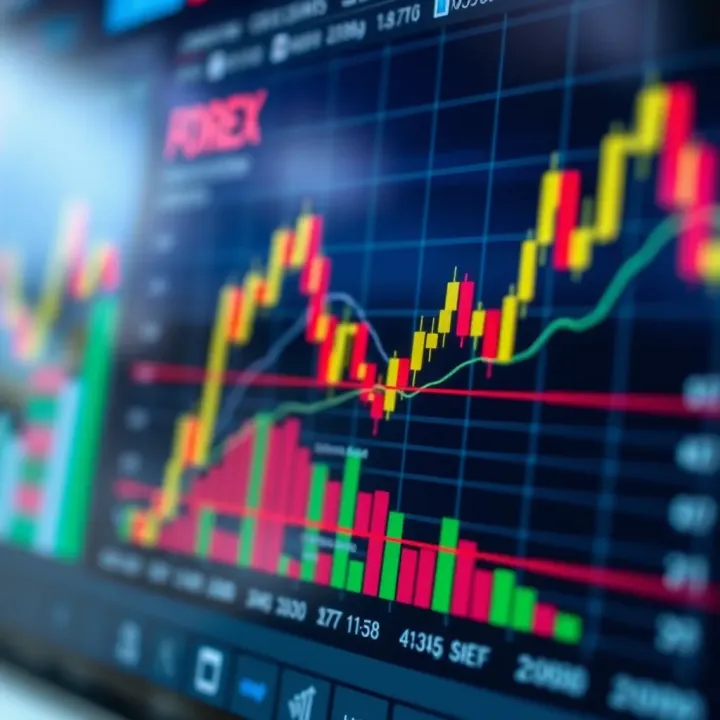
Master forex trading in Nigeria with our practical guide 📈. Learn market basics, risk management, tools, and how to navigate Nigeria's unique financial scene ⚖️.
Based on 9 reviews