
Understanding Binary Fission: Simple Explanation & Examples
Explore how single-celled organisms reproduce through binary fission 🔬, with clear examples and explanations to understand this vital biological process.
Edited By
Jack Morgan
Binary fission stands as one of the simplest yet most effective ways organisms reproduce. Unlike sexual reproduction, it involves just one parent cell splitting into two genetically identical offspring. This process is especially common among bacteria, protozoa, and some multicellular organisms, enabling rapid population growth.
For traders and investors observing biotech and agritech sectors, understanding binary fission offers valuable insight into how microbial cultures and biological agents multiply. For educators, it provides a clear example of a fundamental biological process that underpins much of microbial life.
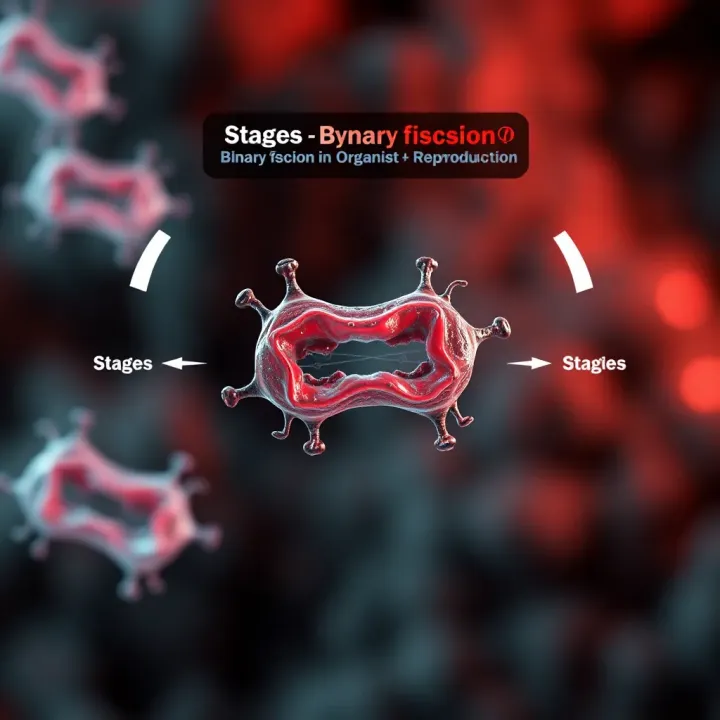
Binary fission allows bacteria to multiply swiftly, which can impact everything from fermentation industries to disease outbreaks, making it a key biological mechanism worth understanding.
Bacteria: Consider Escherichia coli (E. coli), a commonly studied bacterium that reproduces via binary fission. Every 20 minutes under ideal conditions, one E. coli cell divides into two identical cells, leading to exponential growth. This rapid division helps explain how infections spread so fiercely if unchecked.
Protozoa: Amoeba uses binary fission differently but effectively. The amoeba duplicates its nucleus and cytoplasm before splitting, producing two identical offspring. This method helps protists adapt and thrive in diverse aquatic environments.
Multicellular Organisms: While rare, some simple multicellular organisms like certain flatworms also reproduce using binary fission. The organism splits into two parts, each regrowing missing tissues. This kind of regeneration-based reproduction is less about speed and more about survival.
Binary fission involves several key steps:
DNA replication – The parent cell copies its genetic material.
Cell growth – The cell enlarges to accommodate future division.
Segregation – Each DNA copy moves to opposite ends.
Division – The cell membrane pinches inwards, splitting the cell.
This straightforward mechanism requires fewer resources than sexual reproduction, allowing populations to expand swiftly, especially when resources are abundant.
For many microorganisms, binary fission is vital. It enables fast colonisation of new environments and quick responses to favourable conditions. This reproductive strategy ensures survival when competition is stiff and resources may run out suddenly.
In economic terms, industries using microbial cultures for production, such as yoghurt or enzymes, depend heavily on the predictability and speed of binary fission to maintain output quality.
Understanding binary fission in these contexts sheds light on how microbial populations evolve, persist, and sometimes challenge public health and industrial processes alike.
Binary fission holds a key place in the biology of many organisms, especially microbes. Understanding its basics is vital because this process drives rapid reproduction and population growth in bacteria, protozoa, and some simple multicellular life forms. For traders and investors interested in pharmaceuticals or biotech, knowing how bacteria multiply helps anticipate challenges like antibiotic resistance or disease outbreaks. Educators can also use these insights to explain how life maintains continuity without sexual reproduction.
Binary fission is an asexual reproduction method where one single cell divides into two identical daughter cells. Unlike sexual reproduction, no genetic material is exchanged or shuffled. The parent cell simply doubles its contents and splits, producing two genetically identical offspring. This process ensures quick population expansion but limits genetic diversity, which can be risky in harsh environments.
Unlike sexual reproduction that needs two parents and involves mixing genes, binary fission requires only one organism and no mating. This difference means species using binary fission can reproduce rapidly even in isolation. Meanwhile, budding or fragmentation, seen in some simple animals and plants, involve forming new individuals from parts rather than an exact split into halves. Binary fission also differs from spore formation since it creates fully formed cells directly without an intermediate dormant stage.
The first step is copying the organism's DNA exactly so each new cell inherits a complete genetic set. This replication kicks off at a specific region called the origin of replication and proceeds bidirectionally. It is crucial because any mistake during this phase can affect the offspring's viability. For example, Escherichia coli bacteria replicate their circular DNA within roughly 20 minutes under ideal conditions, demonstrating how efficient this step can be.
After DNA replication, the cell prepares to split its cytoplasm. This involves the formation of a division septum—a new cell wall starting inward from the cell surface. Cytoplasmic division ensures that essential cellular machinery, organelles, and nutrients get fairly distributed between the two new cells. Balancing this distribution supports the daughters' independent survival immediately after separation.
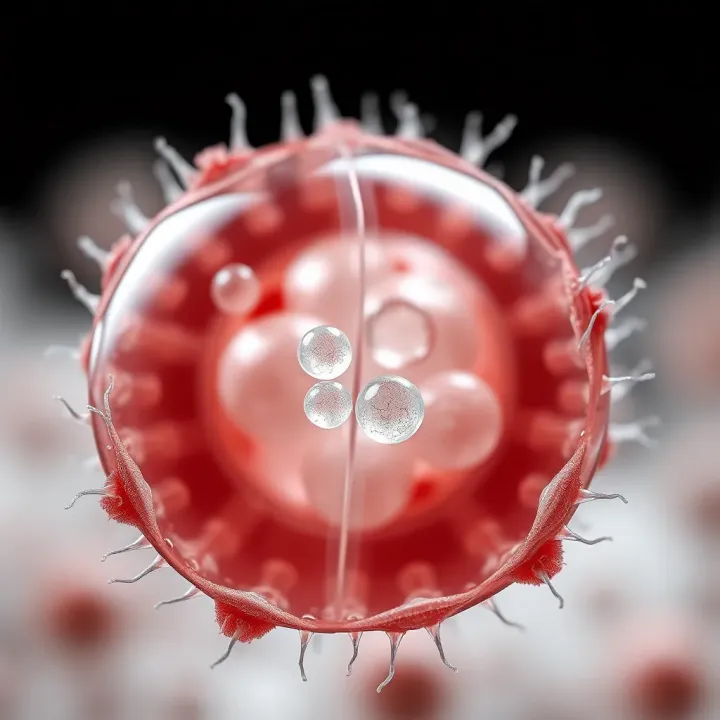
The final stage completes with physical separation into two individuals. The septum fully forms, pinching the parent cell into halves. These daughter cells emerge genetically identical but now function as autonomous organisms. In environments like Lagos markets or hospital wards, rapid binary fission of bacteria can mean explosive growth if conditions permit, influencing public health and economic responses.
Binary fission’s efficiency and simplicity explain why microorganisms can quickly adapt to new niches, sometimes overwhelming resources or hosts without proper controls.
Understanding these basic elements gives solid footing for recognising how binary fission impacts ecology, medicine, and even business sectors concerned with microbial growth and control.
Binary fission is the primary way bacteria reproduce, making it a key process for their survival and rapid multiplication. This simple method allows bacteria to split into two genetically identical cells quickly, sometimes within 20 minutes under optimal conditions. The speed and efficiency of bacterial binary fission explain why these microorganisms multiply so fast, influencing ecosystems, industry, and health.
Bacteria begin binary fission by replicating their single circular DNA molecule. Next, the cell elongates as the duplicated chromosomes move to opposite poles. Finally, the cell membrane pinches inward, dividing the cytoplasm and forming two distinct daughter cells. Each daughter cell carries an identical copy of the parent’s DNA, ensuring genetic consistency in the population.
This process happens without sexual reproduction, which means genetic variation depends on mutations or horizontal gene transfer, not the division itself. The fast replication rate helps bacteria adapt swiftly to environmental changes, including those affecting human health like antibiotic exposure.
E. coli is a widely studied bacterial species common in the human gut. It reproduces predominantly by binary fission, enabling it to colonise the intestinal environment efficiently. While most strains are harmless and beneficial for digestion, some pathogenic variants cause food poisoning outbreaks. Understanding its binary fission is crucial for developing treatments that target its rapid growth to control infections.
This bacterium also multiplies by binary fission and is known for causing skin infections, pneumonia, and bloodstream infections. Its ability to reproduce quickly helps it survive in hospital settings, where drug-resistant strains have become common. By studying its binary fission patterns, medical researchers seek strategies to limit spread, especially in vulnerable patients.
Lactobacillus, found in yoghurt and the vaginal flora, also relies on binary fission to reproduce. These bacteria contribute to health by maintaining balanced microflora and inhibiting harmful microbes. Their consistent replication supports probiotic functions in industry and medicine, highlighting binary fission as a natural way to sustain beneficial bacterial populations.
Binary fission in bacteria directly impacts public health and disease management. Because it allows rapid growth, infections can escalate quickly if not addressed promptly. For example, urinary tract infections caused by E. coli can worsen rapidly due to fast bacterial multiplication.
Antibiotic treatments must consider this rapid division; some antibiotics target bacterial DNA replication or cell wall synthesis to interrupt binary fission. However, misuse of antibiotics may encourage resistant strains, making these bacteria harder to control. Public health strategies focus on monitoring bacterial reproduction and developing new drugs or vaccines that can slow or stop bacterial binary fission safely.
Understanding bacterial binary fission helps health professionals design better interventions to control infections and prevent outbreaks, making it a cornerstone in microbiology and infectious disease research.
In summary, bacterial binary fission is not just central to bacterial life cycles but also a critical factor in health and disease. From helpful Lactobacillus species to harmful Staphylococcus aureus, recognising how they reproduce guides both industrial and medical approaches across Nigeria and the world.
Binary fission plays a significant role beyond bacteria, especially in protozoa and algae. These single-celled organisms use this method to reproduce quickly and maintain population stability in their environments. Understanding binary fission in protozoa and algae sheds light on basic ecosystem dynamics and provides practical insights for industries like water treatment and aquaculture.
Paramecium is a well-studied protozoan that reproduces predominantly through binary fission. This method allows it to multiply rapidly under favourable conditions, which is crucial for its survival in freshwater habitats. Paramecia split by dividing their nucleus first, followed by the cytoplasm, producing two genetically identical offspring. This rapid multiplication helps maintain their population, especially when food sources like bacteria increase in availability.
The practical importance of Paramecium's binary fission lies in ecological monitoring. Because these protozoa respond quickly to environmental changes, their population levels can indicate water quality. For example, a sudden increase in Paramecium numbers might suggest higher organic pollution supporting larger bacterial populations. Hence, they act as biological pointers in freshwater management.
Similarly, Amoeba use binary fission for reproduction, making it an effective survival strategy in diverse environments such as soil and ponds. Amoebae divide by simply splitting the cell into two, each inheriting a copy of the nucleus and cytoplasm. This straightforward approach enables quick population growth whenever conditions are favourable.
The fast reproductive cycle of Amoeba is not just a biological curiosity but also has practical relevance in parasitology. Some Amoeba species, like Entamoeba histolytica, cause amoebic dysentery in humans. Understanding their binary fission helps in timing treatments and predicting outbreaks, as their rapid multiplication in the gut can worsen infections swiftly.
Among algae, Chlamydomonas demonstrates binary fission as its primary asexual reproductive method. This green alga divides by splitting into two daughter cells, each inheriting an identical set of genetic materials. Chlamydomonas’ ability to reproduce swiftly via binary fission supports its role in aquatic food chains, providing a quick source of nutrients for small aquatic animals.
In addition, Chlamydomonas serves as an important organism in biofuel research and wastewater treatment. Its rapid reproduction via binary fission enables large-scale cultivation with ease. This helps maximise yield when using algae for sustainable energy or environmental clean-up, making binary fission a critical factor in its industrial value.
Another notable example is Volvox, a colonial green alga consisting of numerous cells embedded in a gelatinous matrix. Despite its complexity compared to single-celled algae, individual Volvox cells reproduce by binary fission to maintain and expand the colony.
The reproductive strategy of Volvox enables quick colony expansion, which is vital for staying competitive in nutrient-rich water bodies. Studying Volvox’s binary fission also provides insights into the evolution of multicellularity and cooperation among cells, topics vital to both biology and biotechnology fields.
Binary fission in protozoa and algae is more than simple multiplication; it supports ecological balance, informs environmental management, and drives biotechnological applications.
Understanding these examples clarifies why this method remains essential across diverse life forms, particularly where efficiency and speed offer clear survival advantages.
Binary fission, while most commonly associated with single-celled life forms like bacteria and protozoa, also plays a role in the reproduction and regeneration of certain simple multicellular organisms. These organisms use binary fission not just to multiply but to repair and grow, ensuring their survival in dynamic environments. Understanding this process in multicellular life highlights how fundamental and versatile binary fission is across biological complexity.
Sponges
Sponges, among the simplest multicellular animals, use binary fission as a practical means of reproduction. These aquatic creatures can split into two or more parts, with each part regenerating the missing structures to eventually form a complete sponge. This method helps sponges colonise new areas quickly, especially in reef environments where space and nutrients can be limited. The ability to reproduce asexually through binary fission allows them to maintain stable populations without relying on sexual reproduction, which can be more energetically costly.
Hydra
Hydra, a small freshwater organism from the same simple animal group, also employ a form of binary fission known as budding. While not classical binary fission, it shares similarities where a new individual grows out of the parent, eventually detaching to live independently. This rapid reproductive strategy enables Hydra to expand populations fast and to replace damaged tissue. For instance, if the environment suffers disturbances like pollution or predation, Hydra’s ability to regenerate and reproduce asexually ensures population resilience.
Beyond reproduction, binary fission supports regeneration and growth in simple multicellular organisms by enabling damaged or lost parts to be restored swiftly. This process means that if a sponge fragment breaks off due to strong currents or predators, it can grow into a new individual, effectively turning harm into an opportunity for propagation. Similarly, Hydra relies on fission-like processes to replace injured tentacles or parts of its body, maintaining its health and survival without waiting for longer sexual reproduction cycles.
The capacity of binary fission in these simple organisms allows for quick population recovery and growth with minimal energy spent, which is especially useful in fluctuating habitats like rivers or coastal waters.
In summary, while multicellular organisms typically favour sexual reproduction, simple animals such as sponges and Hydra use binary fission to multiply and heal efficiently. This method helps them adapt to environmental changes, maintain genetic consistency, and occupy ecological niches that demand rapid response to challenges.
Binary fission plays a significant role in how organisms reproduce and thrive, especially in environments where quick multiplication is key. This simple, yet efficient process allows single-celled organisms and some multicellular species to increase their numbers in a short space of time. Such rapid reproduction impacts ecosystems, human health, and even economic activities linked to agriculture and healthcare.
Binary fission supports rapid population growth because it splits one organism into two identical offspring, effectively doubling numbers with each cycle. For bacteria like Escherichia coli, this can mean reaching millions in a matter of hours under ideal conditions. This fast reproduction guarantees these microorganisms quickly colonise new environments, which can be beneficial for ecosystems that depend on bacterial processes like nitrogen fixation in soil. Likewise, protozoa in aquatic habitats multiply swiftly through binary fission, maintaining the food chain for small fish and insect larvae.
Rapid replication through binary fission is an evolutionary advantage that enables organisms to exploit resources efficiently.
Binary fission supports adaptation by generating large populations fast, increasing the chance some individuals survive environmental stresses such as changes in temperature, pH, or nutrient availability. For instance, bacterial communities exposed to antibiotics can develop resistant strains quickly because many cells replicate at the same time, increasing mutation opportunities. Similarly, algae that reproduce via binary fission can swiftly adjust their populations to seasonal shifts in light and nutrient levels, helping them survive fluctuations common in Nigerian freshwater systems.
Binary fission’s role in disease is twofold: it allows pathogens to multiply quickly within hosts, intensifying infections, but understanding this process helps medical professionals develop effective treatments. Bacteria such as Staphylococcus aureus multiply fast through binary fission, often overwhelming the immune system if untreated. On the flip side, targeting stages in the binary fission process with antibiotics or disinfectants disrupts their reproduction, controlling disease spread. Public health initiatives also focus on limiting the conditions favouring binary fission in harmful microbes, like poor sanitation or stagnant water, to reduce outbreaks.
Overall, binary fission is not just a biological curiosity but a process with tangible impacts on environmental balance and human wellbeing. In Nigeria, managing its effects in healthcare and agriculture remains vital as population growth and climate variability continue to challenge ecosystems and public systems alike.
Explore how single-celled organisms reproduce through binary fission 🔬, with clear examples and explanations to understand this vital biological process.
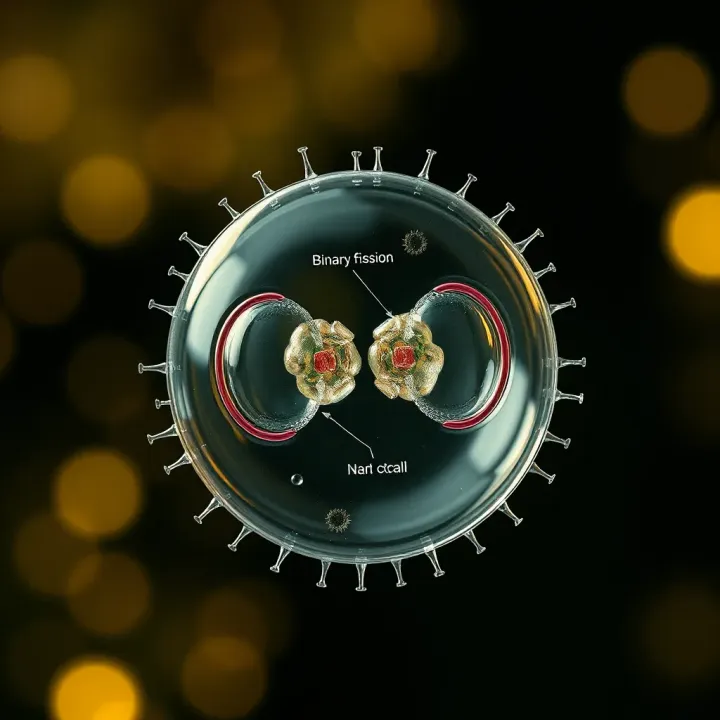
🔬 Discover how binary fission helps simple organisms reproduce fast. Learn its role in biology, key examples, benefits, limits, and comparisons to other methods.
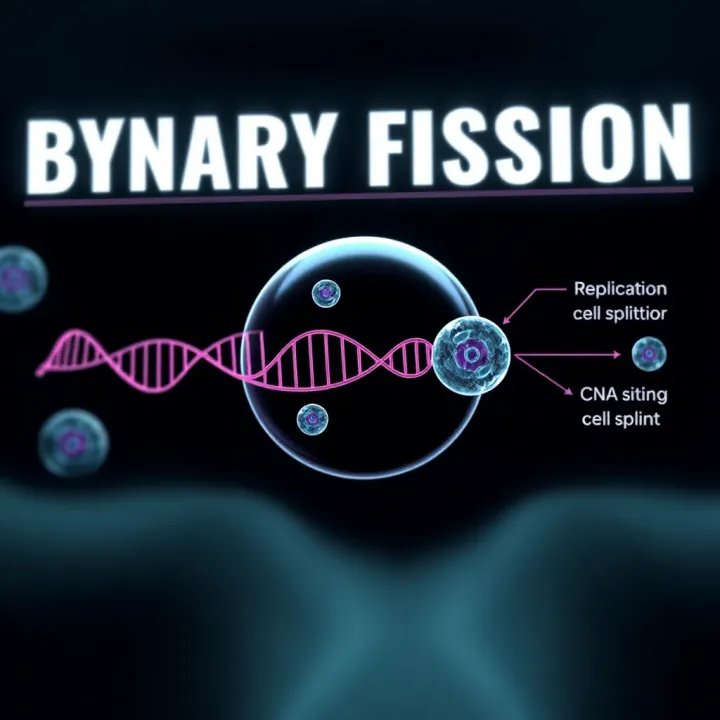
Learn how binary fission drives rapid growth in bacteria and other single-celled organisms 🔬. Understand its stages, role in biology, and medical impact.
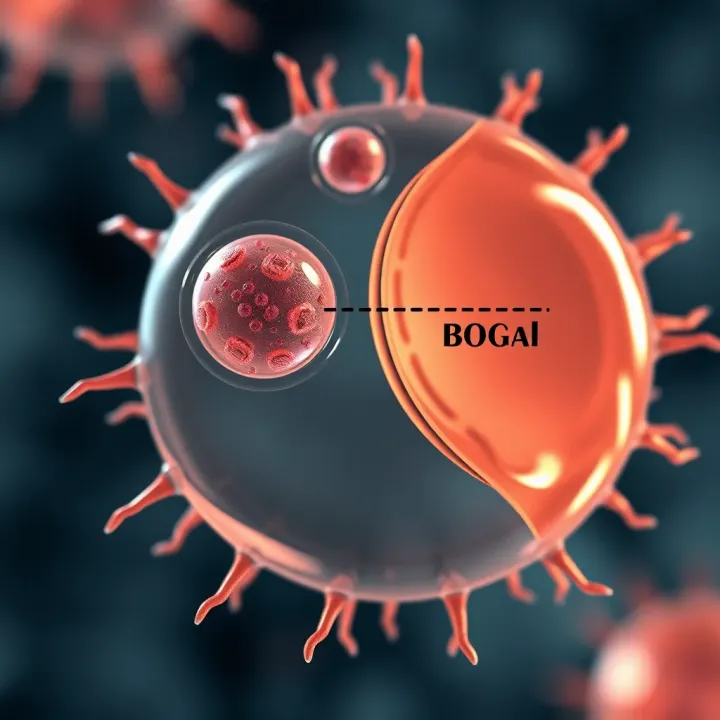
🧫 Explore how amoeba reproduce asexually through binary fission, learn the stages and changes involved, and see why it matters for their survival and growth.
Based on 9 reviews