

Best Trading Apps in Nigeria: Your Complete Guide
Explore top trading apps in Nigeria 📱! Compare features, security, costs & support for stocks, forex, and crypto to trade smartly & safely.
Edited By
Clara Edwards
Bitcoin trading continues to gain traction in Nigeria, driven by a growing interest in digital assets and the search for alternative investments amid naira fluctuations and economic uncertainty. However, trading BTC isn't just about buying and selling; it demands using reliable and user-friendly apps tailored to Nigeria’s unique financial landscape.
Choosing the right Bitcoin trading app goes beyond flashy interfaces or high trading volumes. Security features, local payment options, and ease of accessing funds in Naira are essential. Many Nigerian users face challenges such as limited banking integrations, volatile exchange rates, and occasional regulatory uncertainties, making app selection a serious decision.
For example, a trader in Lagos might need an app that supports deposits and withdrawals directly through Nigerian banks or popular mobile money services like Paga or OPay. Meanwhile, a user in Kaduna might prioritise low transaction fees and strong customer support owing to slower internet connectivity or fewer financial outlets.
This section sets the stage for understanding what makes a good BTC trading app for Nigerians by outlining key factors such as practicality, security, and local compatibility. It will help traders, investors, financial analysts, and brokers to catch the essentials without wading through jargon or irrelevant details.
"Security and ease of access in your local currency should be basic, not a premium feature, when picking a Bitcoin trading app."
Next up, we will look at crucial features of the top apps used in Nigeria, highlighting strengths and weaknesses relevant to everyday traders and institutional players alike. This practical approach ensures that whether you’re just starting or managing a portfolio, the right tools support your BTC trading effectively.
Bitcoin trading apps have become significant tools for Nigerians looking to interact with the cryptocurrency market. They provide a straightforward way to buy, sell, and manage Bitcoin directly from a mobile device or computer. This accessibility is particularly important given Nigeria’s unique financial and economic context, where traditional banking services often come with limitations and hurdles.
These apps serve as gateways that simplify trading and investment in Bitcoin, offering an accessible point of entry especially for users who may not have extensive experience with digital currencies. Considering the growing interest in cryptocurrencies across Nigeria, understanding what these apps do and how they operate can empower users to make more informed decisions about their investments.
A Bitcoin trading app is a software platform that allows users to buy, sell, and hold Bitcoin and sometimes other cryptocurrencies, usually through a smartphone or web interface. These apps provide real-time market data, trading tools, and wallet functionalities, making crypto trading more accessible to everyday Nigerians who may not engage with complex trading platforms.
Unlike traditional cryptocurrency exchanges that often require navigating various technical steps and desktop interfaces, BTC trading apps focus on simplicity and user experience. They typically consolidate multiple services like wallet management, market tracking, and trading into a single platform, allowing Nigerians to trade Bitcoin anywhere, whether in Lagos, Abuja, or smaller towns.
Traditional cryptocurrency exchanges are usually web-based platforms with a focus on in-depth trading options suited for experienced users, often requiring users to visit the website through a browser. In contrast, BTC trading apps prioritise mobile usability and simpler interfaces, reflecting the Nigerian user’s preference for smartphone access due to lower PC penetration.
Moreover, some trading apps integrate with local banks and payment systems, enabling straightforward deposits and withdrawals in Nigerian naira (₦). This localisation is a key advantage in Nigeria, where converting digital assets back into local currency smoothly remains a challenge for many traders. Traditional exchanges may not always offer such seamless direct naira fiat on-ramps.
One main attraction is access to global markets. These apps connect Nigerian users to international cryptocurrency markets, where Bitcoin is traded against multiple currencies and assets. This access allows Nigerians to diversify investments beyond the local economy, which is often affected by naira volatility and inflation.
For example, Nigerian traders can quickly buy Bitcoin when the price dips or sell during peaks. This flexibility doesn’t rely on conventional banking hours or forex restrictions, giving traders more control over timing and opportunity.
Regarding the benefits over conventional banking, Bitcoin trading apps offer a degree of financial inclusion that traditional banks sometimes lack. Nigerians often face challenges like high transfer fees, slow processing times, or outright banking restrictions, especially with international transfers. BTC apps bypass many of these pain points by enabling peer-to-peer transactions directly on the blockchain.
Additionally, these apps allow Nigerians to store and transfer value without relying on unstable banks or intermediaries, useful in areas where bank branches are scarce or power outages affect banking services.
The rise in cryptocurrency interest amid economic challenges also fuels adoption. Nigerians have faced naira devaluation, fluctuating inflation rates, and limited access to affordable credit. Cryptocurrencies present both a hedge against currency risk and an opportunity for income generation through trading or savings products attached to these apps.
Many Nigerians see Bitcoin trading as a way to preserve wealth during unstable economic periods or to participate in the growing digital economy. For example, during the ember months or periods of inflation spikes, users might turn to Bitcoin to protect savings from eroding too fast.
BTC trading apps offer Nigerians a practical entry point into cryptocurrency, providing not just investment options but a means to navigate some of the systemic challenges in local finance.
Choosing the right Bitcoin trading app is critical for Nigerian users who want to navigate the crypto space safely and efficiently. The app must not only offer essential trading tools but also provide smooth user experience, solid security, and cost-effective transactions. These features ensure that both newcomers and experienced traders can operate comfortably while managing risks tied to fluctuating markets and Nigeria’s financial environment.
A Bitcoin trading app that’s easy to use helps beginners start without feeling overwhelmed. For instance, a clear layout with straightforward menus and simple buttons can guide users through buying or selling bitcoin with minimal fuss. Apps like Bundle or Remitano demonstrate this well, offering clear instructions and tutorials tailored for Nigerian users. This ease reduces the chance of errors, especially when dealing with money.
Since many Nigerians rely primarily on mobile devices with limited data, an app must work well on smartphones without consuming too much internet. Lightweight apps or those with data-saving modes allow traders in Lagos traffic or local towns to trade without worrying about high data bills. Compatibility with both Android and iOS devices is equally important, as Nigerians use a mix of devices, including tokunbo gadgets with varying performance.
Two-factor authentication (2FA) adds an extra lock on user accounts by requiring a second verification like a code from an app or SMS. This protects accounts from hackers, a real threat given how popular Nigerian crypto scams are. WhatsApp and Gmail-like verification codes are common; apps like Paxful and Binance Nigerian users often opt for this layer of safety to protect their funds.
Cold storage means keeping bitcoin wallets offline, away from internet access, reducing theft risks significantly. Some apps securely store most of their users’ funds this way, releasing only small amounts when needed. Wallet security also involves private key management, where users should be advised to back up keys securely and avoid sharing them. In Nigeria, where online fraud is rife, this is particularly important.
Apps that comply with Nigerian laws and Central Bank of Nigeria (CBN) guidelines offer users assurance about legitimacy. Though crypto regulation in Nigeria is evolving, apps registered with the Nigerian SEC or operating under clear KYC processes protect traders from sudden closures or account freezes. As an example, apps that clearly outline their regulatory status and user rights usually win more trust in the market.
Trading fees can make a big difference, especially for small-scale traders. Apps with transparent fee structures in naira simplify budget planning for users. Some platforms charge fixed fees per trade, others a percentage, and some are even zero-fee but may have hidden costs. Understanding these fees upfront helps avoid surprises, which is crucial in a volatile naira environment.
Fast transaction times matter when timing is everything in trading. Users should look for apps with quick deposits and withdrawals in naira, especially those integrated with Nigerian banks or payment services like Paystack or Flutterwave. Slow or delayed fund transfers can lead to missed opportunities or losses, so apps that offer real-time or near-instant processing often stand out.
Careful evaluation of these key features ensures Nigerian BTC traders choose apps that fit their needs, keeping their investments safer and trading smoother in an ever-changing market.
Choosing the right Bitcoin (BTC) trading app is essential for Nigerian traders aiming to navigate the digital currency space efficiently and securely. Popular trading apps offer different mixes of features, security, and convenience tailored to the Nigerian market. Understanding these differences helps users pick platforms that suit their trading habits, financial goals, and local conditions.
Features tailored for Nigerian users
Local trading apps focus heavily on customising experience for Nigerian clients. This might mean interfaces available in Nigerian English, UIs designed for lower internet bandwidths common in many parts of the country, or customer support that understands local challenges like power outages or naira currency fluctuations. For example, platforms like Quidax offer a straightforward app experience that considers these realities, reducing friction for first-time crypto traders.
Besides accessibility, Nigerian platforms often provide educational resources about Bitcoin to help users grasp crypto risks and trading strategies. This is especially important for those new to investing or digital currencies, as it builds confidence and reduces scams.
Integration with Nigerian banks and payment systems
Local Bitcoin apps commonly integrate smoothly with major Nigerian banks such as GTBank, Access Bank, and Zenith Bank. This allows straightforward funding of trading accounts through bank transfers, USSD codes, or mobile money. Quick, affordable naira deposits and withdrawals matter greatly for Nigerian users, as delays or high fees from less integrated platforms can deter active trading.
Serious apps also maintain partnerships with payment processors like Paystack or Flutterwave, ensuring seamless conversion between naira and bitcoin. This level of integration eases liquidity management and reduces the usual hassles Nigerian traders face when moving money in and out of crypto.
Global reach vs. local limitations
International apps such as Binance, Coinbase, or Kraken are popular among Nigerian traders because they offer access to expansive crypto markets and a wider range of altcoins beyond Bitcoin. These platforms come with advanced trading features, analytics, and global liquidity.
However, Nigerians sometimes face limitations on these platforms due to regulatory restrictions or lack of direct naira support. For instance, deposits might require third-party intermediaries or currency exchanges, which can cause delays or extra charges. Also, customer support may not be as responsive to Nigeria-specific issues compared to local apps.
Examples and advantages
Binance stands out for offering a P2P (peer-to-peer) trading feature that allows Nigerians to buy and sell bitcoins directly with other users using naira. This feature bypasses some banking restrictions and enables fast, localised transactions.
Coinbase, while less integrated locally, is known for its high security and user-friendly app, making it a good choice for Nigerians who prioritise safety and straightforward cryptocurrency purchases.
Overall, international apps often bring richer trading options and exposure but must be used alongside Nigerian payment methods and awareness of local constraints.
Popular Bitcoin trading apps for Nigerians fall into two broad categories: local platforms with tailored support and international apps with wider markets. Choosing wisely between these depends on your priorities—whether ease of use and local payment options or extensive markets and advanced features are more important.
Local apps: better naira integration, Nigerian customer support, data-efficient interfaces
International apps: broader crypto options, advanced tools, but may lack local banking ease
Selecting the right Bitcoin trading app for Nigerian traders involves weighing these factors against personal trading style, security needs, and convenience.
Starting bitcoin trading on an app demands clear steps to ensure safety and smooth operations. Given how volatile and complex crypto trading can be, especially in Nigeria with its unique financial environment, following these steps keeps you protected from scams, technical glitches, and unexpected losses.
Verification nowadays is a non-negotiable part of registering with any bitcoin trading app in Nigeria. Most platforms require you to submit your National Identification Number (NIN), means of identity such as a driver’s licence or international passport, and sometimes a proof of residence. This step is to comply with the Central Bank of Nigeria’s (CBN) anti-money laundering directives and to avoid fraudulent activities.
Being thorough with your details prevents delays. For example, incomplete or blurry identity documents often result in your verification being rejected or your account frozen. Always double-check photos or scans before submission, and avoid using unofficial apps or platforms to escape the verification process, as they tend to expose users to scams.
Funding your bitcoin trading account usually involves linking Nigerian bank accounts or mobile money wallets like Paga or OPay. Some apps allow direct naira deposits, which offer convenient access without the need to deal with forex conversions upfront. Banks like GTBank and Zenith Bank are commonly supported, making transfers quick and familiar to Nigerian users.
Handling your wallets is just as important. Always back up your wallet’s private keys safely—preferably offline and in multiple secure locations. Losing this key means losing access to your funds forever. Many Nigerians keep physical copies in secured places or use encrypted USB drives. Wallet backup prevents mishaps like phone loss or app crashes from wiping out your assets.
Before you place your first order, understand trading pairs—these are combinations like BTC/NGN or BTC/USDT that let you trade bitcoin directly against naira or stablecoins. Selecting the right pair is essential for liquidity and ease of converting funds back into local currency.
Market orders execute immediately at the current price and work if you want a quick trade, but you might pay a higher or lower price than expected due to volatility. Limit orders, however, allow you to specify the price at which you wish to buy or sell. This method provides better control, which is handy amidst bitcoin’s wild swings but requires patience as the trade might not fill instantly.
Starting carefully with these steps saves you from avoidable mistakes and sets a solid foundation for your bitcoin trading experience in Nigeria. Taking time to verify properly, fund securely, and trade thoughtfully can make all the difference to your success and safety.
Trading Bitcoin through apps in Nigeria comes with a unique set of risks and challenges that every user should understand clearly. These range from regulatory restrictions to security threats and the inherent volatility of cryptocurrency markets. Being aware of these factors helps traders manage expectations and better protect their investments.
The Central Bank of Nigeria (CBN) has a cautious stance towards cryptocurrencies. Since its 2021 directive banning banks and financial institutions from servicing crypto exchanges, traders often face hurdles in moving naira to and from Bitcoin platforms. This policy means Nigerian banks are less willing to facilitate transactions related to digital assets, forcing many users onto peer-to-peer platforms or alternative payment methods.
This regulatory stance directly impacts app functionality and accessibility. Many Bitcoin trading apps either limit their services or stop supporting Nigerian users because of banking restrictions. For example, deposit and withdrawal options may shrink, or users may experience delays in naira funding. Traders need to pick apps that openly support Nigerian payment channels or rely on decentralised exchanges to navigate these constraints smoothly.
Nigerian Bitcoin traders often face targeted scams. Common schemes include fake investment opportunities, phishing attacks pretending to be app support, and fraudulent wallets designed to steal private keys. Cases of social engineering where scammers impersonate trusted figures to trick users into transferring funds are also frequent.
Protecting funds requires strict adherence to best practices. Users should always enable two-factor authentication (2FA), confirm app legitimacy by checking reviews and official communication, and keep private keys offline and secure. Avoiding public Wi-Fi when accessing apps and verifying URLs can shield one from phishing scams. Regularly updating passwords and using wallets with multi-signature support adds extra layers of security.
Bitcoin’s price swings are notorious and can be particularly sharp during global economic uncertainties. Nigerian traders, dealing with daily realities of naira depreciation and inflation, must brace for high volatility that can affect investment returns significantly within short periods.
Managing risk within this context involves setting realistic trade limits and using stop-loss orders to minimise losses. Diversifying holdings rather than concentrating all capital in Bitcoin or crypto helps cushion against market shocks. Keeping an eye on Nigeria’s economic indicators like inflation rates or fuel subsidy changes can offer clues on how local market conditions might influence crypto prices.
Trading Bitcoin in Nigeria demands careful attention to both the technical and economic environment. Understanding regulatory limitations, staying alert to scams, and preparing for price swings are essential steps towards safer and more profitable trading.
By recognising these risks and equipping yourself with knowledge and practical tools, you enhance your chances of making informed decisions in Nigeria’s evolving BTC trading scene.
Explore top trading apps in Nigeria 📱! Compare features, security, costs & support for stocks, forex, and crypto to trade smartly & safely.
Explore top trading apps for Nigerian investors📱. Learn about fees, security🔒, usability, and support for the best trading experience in Nigeria🇳🇬.
Looking for the best trading app in the world? 📱 This guide breaks down what Nigerian traders need: usability, security, fees, markets & learning tools.
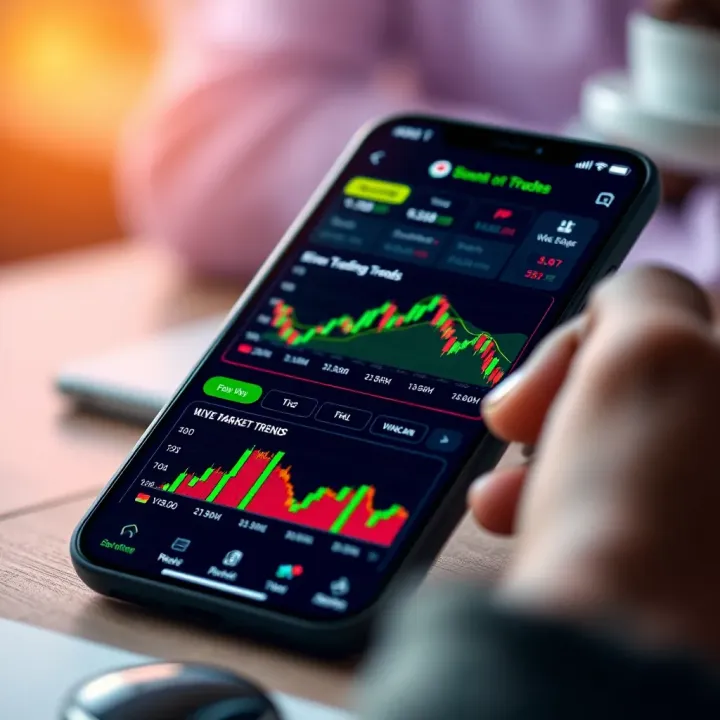
Find the best trading app in Nigeria to boost your earnings 📈. Learn key features, security tips 🔒, and app reviews for all skill levels.
Based on 11 reviews