

How Binary Calculators Work and Their Uses
🔢 Explore how binary calculators work, their practical uses in computing, and tips to use them effectively in digital electronics and binary math.
Edited By
Henry Stevens
Binary scamming has become a growing concern among Nigerian traders and investors, especially with the surge in popularity of binary options trading. Many fall prey to these schemes because they appear straightforward and promise quick profits. However, behind the curtain lies a well-planned format designed to trick unsuspecting victims and drain their funds.
A typical binary scam usually unfolds in stages. First, scammers attract targets using flashy ads or social media posts claiming easy earnings from short-term trades on currency pairs, commodities, or stocks. They lure people with promises of doubling their investment overnight or earning consistent returns with minimal effort.
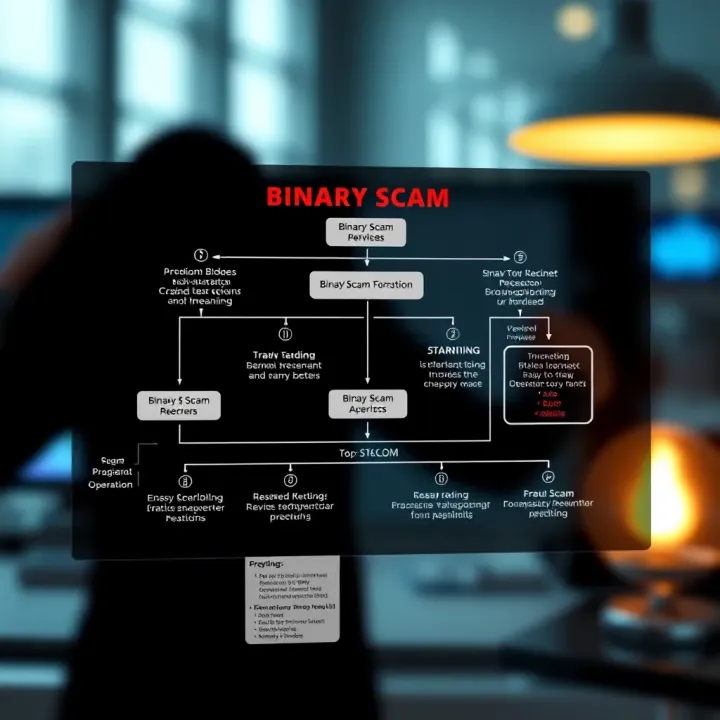
Once a victim shows interest, the fraudster directs them to a fake trading platform. This site looks real enough—graph charts move, profits show up on the screen, and all seem legitimate. But these are deceptive simulations, where the platform is rigged to ensure the victim loses money once they try withdrawing or trading large sums.
The key tactic in binary scams is creating a false sense of control and success, only to trap the user deeper with more deposits and delayed withdrawals.
Scammers often use aggressive follow-up calls or messages, urging victims to invest more to recover initial losses, creating a cycle that's hard to break. They may also impersonate support staff or regulators to sound credible.
Recognising this pattern can save you from significant losses. Watch out for platforms that require upfront deposits without clear regulatory oversight, demand personal information beyond standard Know Your Customer (KYC) requirements, or prevent timely withdrawal of funds.
To protect yourself:
Always verify if the trading platform is licensed by the Securities and Exchange Commission (SEC) Nigeria or other credible regulators.
Use trusted wallets and payment methods; avoid sending money through untraceable channels.
Be sceptical of unrealistic profit promises, especially ones that guarantee stead earnings with little risk.
Being informed about the common elements of binary scams helps you spot red flags early and safeguard your ₦ investments effectively.
Understanding what a binary scam is and how it specifically targets you is vital for anyone involved or interested in trading. Binary scams often exploit the relatively low barrier to entry in binary options trading, luring people with promises of fast profits. Without knowing what these scams look like and how they operate, investors risk losing their hard-earned money to fraudsters.
Binary options are a type of financial instrument where you predict the outcome of an asset's price movement within a set time frame. Essentially, you bet on whether the price of something like oil, gold, or a stock will go up or down. If your prediction is correct, you earn a fixed payout; if not, you lose your stake. The "binary" part means there are only two possible outcomes, making it seem straightforward.
Real binary options trading involves regulated brokers operating on licensed platforms. Traders can choose expiry times ranging from minutes to hours or days, and while profits are possible, risks are clear and transparent. Brokerages following regulatory guidelines offer genuine training, customer support, and transparent terms. Most importantly, profits and withdrawals occur with fair rules and no unusual delays.
Because binary options are simple to explain and promise quick returns, scammers latch onto this appeal. Many Nigerians see it as a way to multiply ₦5,000 or ₦10,000 in a short time, making them easy targets. The lack of widespread knowledge and uneven regulation across platforms allows scammers to create fake trading sites or schemes that mimic legitimate trading but are rigged to cheat users.
A common warning sign is the promise of high, guaranteed returns within hours or days. For example, scammers may claim you can double your ₦20,000 investment within 24 hours without any risk. Real trading markets are volatile, and no genuine trader or broker can guarantee profits without risk.
Scammers often push for quick decisions by saying offers are limited or the market is "hot" right now. You might get calls or messages saying "only today to invest" or "don’t miss out on this chance." Such urgency is designed to make you bypass proper research and act on impulse.
Legitimate binary options brokers must be licensed by authorities like Nigeria’s Securities and Exchange Commission (SEC) or the Central Bank of Nigeria (CBN). Scam platforms usually have no official licence or use fake documents. Always check platforms’ regulatory credentials before investing. Lack of licensing means no official protection or recourse if things go wrong.
Always take time to verify and double-check trading platforms. If something looks too good to be true, it probably is. Genuine trading offers opportunities but never guarantees a quick path to riches.
By recognising these aspects, you’ll be better placed to spot scams and protect your ₦ from falling prey to fraudulent binary trading operations.
Understanding the typical layout of a binary scamming scheme helps you spot the warning signs early before suffering losses. These scams unfold in distinct stages, each designed to build trust, lure funds, and then trap victims with endless excuses. Knowing these steps aids in recognising fake offers, especially since scammers often mimic the look and feel of genuine binary trading platforms.
Scammers often reach potential victims via social media platforms like WhatsApp, Facebook, or Instagram, sending unsolicited messages or making cold calls. These channels allow them to broadcast their net widely, especially targeting popular trading groups or pages. For example, a trader might get a WhatsApp message promising quick returns or an invitation to a ‘new trading opportunity’ with very little effort.
To build credibility, scammers flood their recruitment pages with fake reviews and testimonials. These often involve photos of happy people with fabricated success stories, sometimes using stock images. Such endorsements mislead people into trusting the platform or individuals, making it harder to doubt the legitimacy of the offer. It’s common to see claims backed by supposed professional traders or celebrities, fabricated to lure even experienced investors.
Beyond testimonials, scammers engage prospects in personalised conversations, sometimes using chatbots or hired actors. They may offer free mini-lessons, provide impressive but false account dashboards, or engage continuously to create a relationship. This trust-building is crucial; once victims feel confident, they are more likely to invest larger sums without suspicion.
Scam platforms look like real binary trading sites but are designed to manipulate every trade outcome. Some use rigged software to show only winning trades at the beginning, keeping victims excited. Others have interfaces that allow scammers to freeze or alter balances at will. For example, a platform might delay your withdrawal button or make it glitch repeatedly to cause frustration while masking their true intent.
To trap victims, scammers push for a small initial deposit — say ₦10,000 to ₦50,000 — reassuring traders it's a low-risk way to start. Early successes and quick gains (all fake) encourage victims to increase their deposits progressively. This gradual pull-in tactic reduces early resistance, making it easier to extract larger sums later.
Once initial deposits are in place, scammers inflate account balances with fake profits, creating an illusion of successful trading. Seeing these gains, victims often reinvest or deposit more funds to maximise returns, unaware that their profits cannot be cashed out. This tactic hooks many Nigerians, especially amid economic hardship when ₦ gains seem like a golden ticket.
When victims eventually ask to withdraw, scammers invent fees or regulatory charges requiring additional deposits. They might say a compulsory tax or compliance cost must be paid before releasing funds. This tactic is a repeated trap, draining victims’ resources and buying scammers more time.
Scammers lean heavily on supposed technical glitches or fake regulatory warnings, blaming software errors, system upgrades, or Central Bank of Nigeria (CBN) rules for withdrawal delays. These excuses create uncertainty and frustration, which paradoxically encourages victims to keep funding their accounts to resolve issues.
Eventually, scammers either freeze accounts or completely block victims from accessing the platform. Phones stop receiving replies, contact lines go dead, or apps vanish from stores. By this stage, most victims have lost substantial amounts, finding it nearly impossible to recover funds or trace scammers.
Recognising these common steps can help you react early, avoid heavy losses, and warn others in your network about the dangers lurking in binary trading scams.
Recognising early warning signs of binary scams can save you from losing your hard-earned ₦. The tactics scammers use often leave subtle clues that anyone paying attention can detect. From unrealistic promises to shady platforms and pressure to move fast, these red flags help you protect your investments before it’s too late.
If you hear promises of guaranteed profits or returns that sound too good to be true, they probably are. The truth is that no legitimate investment consistently guarantees profits, especially in a market known for high risk like binary options trading. Scammers exploit this desire by claiming 90% returns in days or weeks to lure victims into investing.
Such claims ignore market realities where losses are common. For instance, if a platform guarantees a fixed profit regardless of market conditions, it’s a clear signal that you’re dealing with fraud. Genuine traders understand the risks and volatility involved; scammers don’t.
Legitimate binary options trading platforms typically offer returns that fluctuate based on market situations and can range between 60–85%. If someone promises consistent 95% or more returns, question how they achieve this.
Take the example of a Lagos trader approached online with a claim that investing ₦50,000 will yield ₦100,000 in one week. Such 100% profit in seven days ignores real trade dynamics and market risks. Comparing these inflated claims with actual market behaviour helps you spot fake offers.
In Nigeria, financial trading platforms must hold licences from regulatory bodies like the Central Bank of Nigeria (CBN) or Securities and Exchange Commission (SEC) Nigeria. Scammers either operate without licences or forge fake certificates.
Before investing, always verify the platform's licence on the official CBN or SEC websites. If the platform cannot provide valid regulatory proof, consider it a strong red flag. Licensed platforms follow strict guidelines that protect investors.
Credibility goes beyond licences. Check for user reviews, complaints on forums, and whether the platform has a local office or customer service reachable during business hours. A genuine platform usually demonstrates transparency about its operations.
For example, platforms that hide their physical address or refuse to share contact details should make you suspicious. Platforms with many unresolved negative reviews online often indicate underlying scams or poor practices.
Scammers often rush their targets to act quickly. They might say you have limited time to get special bonuses or that the market opportunity is urgent. This uses fear of missing out (FOMO) to cloud your judgment.
Such pressure deprives you of time to research or think things over. Imagine being told, “Only the next one hour to double your money” or “We reserved this investment slot just for you today.” These are classic tactics to push impulsive decisions.
A legitimate investment rarely demands instant decisions or secret bonuses. Taking your time to verify facts, consult advisers, or think through risks is key to safe investing.
If anyone forces quick payment or threatens you with losing access to funds otherwise, consider it a major red flag. Real trading platforms want informed, confident clients—not hurried, stressed ones.
Identifying these red flags is critical. They help you steer clear of scam traps and protect your ₦ from falling into greedy hands. When you notice unrealistic promises, unclear regulation, or rushing tactics, pause and verify before risking a kobo.
Being alert to these warning signs will strengthen your financial safety net in Nigeria’s fast-growing but risky binary trading space.
Protecting yourself from binary scams matters because these fraudsters often exploit lack of awareness and rush decisions. Many victims suffer severe financial losses simply because they trusted unverified platforms or shared sensitive information. The good news is, with the right precautions, you can spot suspicious activities early and avoid falling into their traps.
Before committing any naira, checking with regulatory bodies like the Central Bank of Nigeria (CBN) and the Securities and Exchange Commission (SEC) is crucial. These organisations regulate financial activities and maintain lists of licensed firms. For instance, a legitimate binary options broker should feature on the SEC Nigeria’s official register. If a platform or trader cannot provide this, it’s a glaring signal to stay away. Taking this step helps you separate genuine opportunities from fraudulent ones.
Equally important is searching online for reviews and scam reports. Many victims share experiences on forums, social media, or consumer protection sites. These real stories often reveal red flags not obvious on company websites or promotional materials. For example, a quick web search might show complaints about delayed withdrawals or pressure to deposit more money. Ignoring these warnings can lead to trouble, so always look beyond the surface.
Never share your One-Time Passwords (OTPs), bank details, or passwords with anyone, not even if they claim to be from your bank or a trading platform. Scammers frequently use social engineering tactics to trick you into giving them access. The moment you share such details, they can drain your account or execute fraudulent transactions. A good rule is to keep sensitive information strictly confidential and never entertain unsolicited requests for it.
Also, use official payment channels when making transactions. Avoid transferring money through informal methods or unknown accounts. Trusted banks and recognised payment platforms offer security layers that protect your funds. For example, paying through mobile banking apps or verified online payment gateways reduces the risk of funds being diverted. Always double-check payment details before confirming transactions.
If you come across suspicious activities or feel something is off with a binary options scheme, report promptly to law enforcement agencies like the Economic and Financial Crimes Commission (EFCC) and the Nigerian police. Additionally, inform regulatory bodies such as the CBN and SEC Nigeria. These agencies can investigate, freeze fraudulent operations, and prevent wider losses.
By reporting, you don’t only protect yourself but also help shield others from falling victim. When multiple complaints reach regulators, they can act decisively to shut down scam operators. Your report contributes to a safer financial ecosystem for everyone. Remember, silence often allows scammers to thrive.
Taking these preventative steps—doing thorough research, guarding your financial information, and reporting scams—puts you ahead and minimises your risk of losing hard-earned money to binary scams. Stay alert, verify before you trust, and don't hesitate to speak up if you spot trouble.
Falling victim to a binary scam can be disheartening, but knowing exactly what steps to take next helps limit the damage and aids recovery. This section offers a clear guide on immediate actions, legal channels, and long-term protection after a scam. For Nigerians, understanding these steps is vital to recovering funds where possible and preventing future losses.
Stopping further payments is the very first thing you must do. Scammers often pressure victims to keep depositing more money, claiming it will unlock profits or resolve issues. By halting all transactions immediately, you stop pouring more fuel on the fire. For example, if a scammer asks you for an additional ₦50,000 to release your initial deposit of ₦100,000, resist and refuse to pay further. This step protects your bank balance from dwindling further.
Seeking help from your bank or financial service comes next. Contact your bank without delay and inform them that you might have been defrauded. Nigerian banks increasingly provide fraud response teams that can freeze suspicious transactions or block debit instructions. For instance, if you made payments through your bank’s USSD codes or internet banking, ask your bank to monitor or suspend certain transfers. Quick cooperation here may prevent further unauthorised debit or help trace the flow of funds.
Filing complaints with Nigerian police or EFCC (Economic and Financial Crimes Commission) is a practical path to get official assistance. Reporting your case to EFCC helps build evidence against scammers who target Nigerians through binary schemes. Providing detailed records like chat transcripts, payment proofs, and suspicious contacts strengthens investigations. Although recovery is not guaranteed, your complaint could contribute to wider enforcement against fraudsters.
Reporting to the CBN (Central Bank of Nigeria) and SEC (Securities and Exchange Commission) is equally important. These regulatory bodies oversee financial transactions and securities operations in Nigeria. Alerting them about binary scams not only flags potentially illegal platforms but also informs updates to public warnings. For example, CBN frequently issues advisories on fraud trends, which you can benefit from. By reporting swiftly, you enable regulators to potentially close down rogue operators quicker.
Learning from the experience matters to avoid repeating mistakes. Reflect on how the scam unfolded—whether it was through social media recruitment, fake platforms, or withdrawal excuses—and identify warning signs you might have missed. This knowledge becomes your personal defence for future offers. Sharing your story with friends or on trusted forums also raises awareness in your community.
Staying updated on common scam tactics is essential because scammers constantly change their schemes. Regularly checking updates from Nigerian financial regulatory bodies, security blogs, and credible news sources keeps you informed. For instance, knowing new phone numbers, websites, or false endorsements linked to scams can help you steer clear early. Being alert to shifts in scam formats strengthens your financial safety net over time.
Taking prompt, clear action after a scam can substantially reduce losses and builds your resilience against fraud. Nigerian investors who understand these steps stand a better chance of protecting their hard-earned naira.
🔢 Explore how binary calculators work, their practical uses in computing, and tips to use them effectively in digital electronics and binary math.

Explore how binary multiplication calculators work 🔢, their role in computing and digital electronics, and learn easy tips to use them effectively in Nigeria 🇳🇬.

🔍 Explore how binary code translators work, their key roles in computing & digital communication, plus tools to make tech easier to understand. 💻

Learn how to add binary numbers step-by-step 🔢. Explore practical tips and examples that make binary addition simple and useful in computer systems 💻.
Based on 12 reviews