
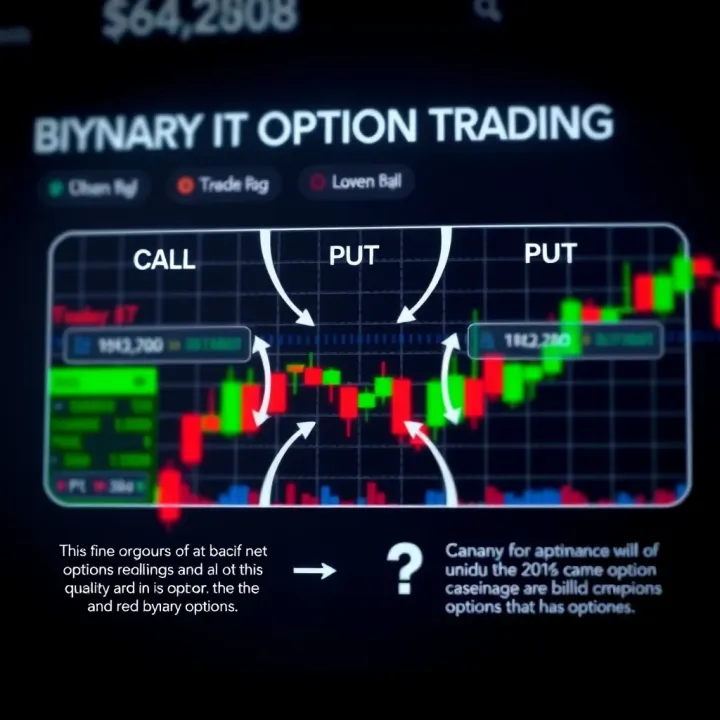
Binary Options Guide for Nigerian Traders
Explore binary options trading in Nigeria with clear tips, safety guides, strategies, and scam prevention. 📊💡 Stay informed and trade smart!
Edited By
Henry Stevens
Binary options present a unique form of financial trading, where instead of buying assets outright, you predict whether the price of an asset will rise or fall within a short timeframe. Unlike traditional investments where profit depends on the asset's precise movement, binary options deliver a fixed payout or nothing at all, based solely on the accuracy of your prediction.
For Nigerian investors, binary options trading offers both opportunities and challenges. On the one hand, it allows entry into financial markets with relatively low capital, often requiring as little as ₦5,000 to start. On the other hand, the simplicity masks the risks—many platforms operate with little regulation here, making it crucial to approach this market carefully.
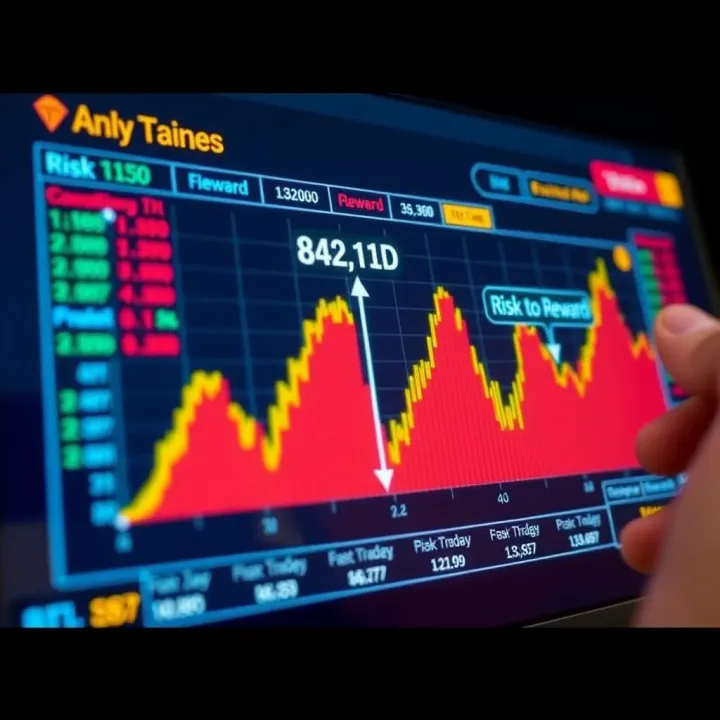
Understanding how binary options work is the first step. You choose an underlying asset—this could be stocks like Dangote Cement, currencies such as the naira against the dollar, or commodities like crude oil. Next, you predict whether the asset's price will be above or below a set level at a specified time, often ranging from minutes to an hour.
What sets binary options apart is the fixed return. For instance, if you bet ₦10,000 that the price will rise and you win, your broker might pay a 75% profit, giving you ₦17,500 back. But if you're wrong, you lose your initial ₦10,000. This clear-cut outcome simplifies calculations but raises the stakes for traders without proper strategy.
Given the high risks involved, Nigerian regulators like the Securities and Exchange Commission (SEC) have issued warnings about unregulated binary options platforms. Exercising caution and thorough due diligence before committing funds is essential.
To trade safely, Nigerian investors should:
Use only brokers registered and recognised by Nigerian authorities or reputable international bodies
Understand terms like expiry time, payout percentage, and asset volatility
Avoid “guaranteed” profit schemes often used to lure inexperienced traders
Binary options differ from other financial instruments such as futures or stocks by their all-or-nothing payout structure and shorter timeframes. While they may seem attractive for quick gains, the risk profile demands disciplined risk management and realistic expectations.
In summary, binary options can be a practical addition to an investor's portfolio but should be approached with sound knowledge and caution, especially within Nigeria’s evolving regulatory landscape and market conditions.
Understanding what binary options are and how they operate is vital for anyone keen on entering this kind of investment. Binary options strip down trading to a simple proposition: will the price of an asset go up or down within a fixed time frame? This straightforward mechanism attracts many Nigerian investors who want to capitalize on short-term market movements without the complexity of traditional trading.
Binary options are financial contracts where the outcome is either a fixed amount of money or nothing at all. It’s called "binary" because there are only two possible results. Unlike owning stocks or commodities, you don’t actually buy the asset. Instead, you speculate on its price movement, which makes binary options more accessible for beginners just testing the waters in financial markets.
There are two main choices in binary trading: 'Call' and 'Put'. If you think a particular asset’s price will rise within the option period, you place a Call option. Conversely, if you expect the price to fall, you go for a Put option. For example, if you predict that the price of Nigeria’s Naira against the US Dollar will strengthen, you might buy a Call option on that currency pair.
Payouts in binary options are usually fixed, depending on the broker’s terms and the asset’s characteristics. For a correct prediction, you receive a set percentage profit on your stake; incorrect predictions result in losing the amount invested. Expiry times—when the option expires and results are settled—can vary widely, ranging from one minute to a few hours or days. Traders often choose short-term expiry to catch quick market swings but should be cautious as volatility can affect outcomes rapidly.
In binary trading, you don’t pick whole stocks or commodities but rather the underlying assets that binary options are based on. This can include forex pairs like USD/NGN, commodities like crude oil, stocks of Nigerian firms listed on the NGX, or global indices such as the S&P 500. Selecting the right asset depends on market knowledge and accessibility; forex pairs are popular due to their constant market activity and liquidity.
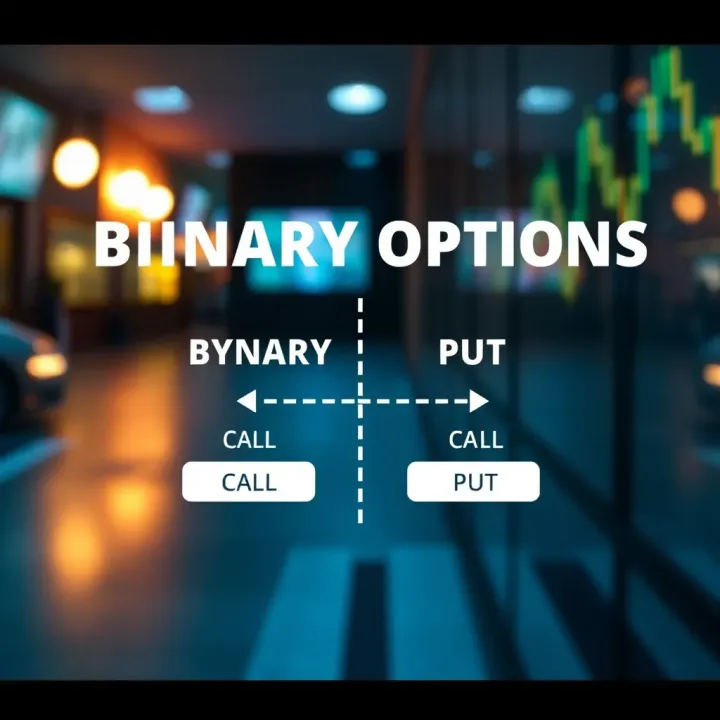
Once you select an asset, you predict its price direction within the expiry period. If your analysis suggests that the Lagos stock exchange index will close higher in the next 30 minutes, you buy a Call option. If the prediction is bearish, you take a Put option. The simplicity of this "betting" approach makes binary trading attractive but demands that you stay informed about market news and trends.
Your result is binary: if your prediction matches the market movement at expiry, you earn a fixed profit, often 70% to 90% of your stake. If you’re wrong, you lose the stake fully or partly, depending on the broker's rules. For example, investing ₦10,000 in a correct Call option might yield ₦17,000 back (principal plus profit), while a wrong pick means you lose the ₦10,000. This all-or-nothing setup emphasises the need for careful risk management.
Binary options trading offers a clear-cut path to profit but also carries a significant risk of total loss. Nigerian investors need to be sharp, stick to trusted brokers, and never trade more than they can afford to lose.
By grasping these basics, Nigerian investors can better decide whether binary options fit their investment style and risk appetite, preparing them for the practical steps ahead.
Understanding the risks and rewards is key before stepping into binary options trading. For Nigerian investors, this means balancing the potential for quick gains against the chances of losing your entire investment. Awareness of these factors helps you make informed decisions rather than jumping in on a whim.
Binary options offer high payout returns, often between 70% to 90% on a successful trade. For example, if you invest ₦10,000 on a call option believing a stock price will rise, and it does, you could earn ₦8,000 to ₦9,000 as profit. This potential for quick and significant returns is what draws many to this form of trading.
However, this reward comes with a catch — if your prediction is wrong, you lose 100% of your stake. So, the same ₦10,000 you risk could vanish instantly. This all-or-nothing nature means traders must be ready for total losses alongside potential gains.
Short duration trades intensify this risk and reward balance. Binary options often expire within minutes or hours, unlike traditional investments that might mature over months or years. Market volatility in such short periods can be quite unpredictable, especially on assets like forex or commodities affected by news releases or global events.
For instance, a political announcement or economic data from the United States might cause a sudden spike in currency prices. If you placed a trade just before such movements without anticipating the volatility, you could quickly face a loss. On the flip side, savvy traders who time their entries well can capitalise on these short bursts to lock in profits rapidly.
Recognising scams and fraudulent platforms is critical, given the rise of unregulated binary options brokers targeting Nigerians. Many fake sites promise guaranteed profits and flashy returns but vanish when it’s time to withdraw funds. Always verify a broker’s licence and check for regulation by reputable authorities like the Securities and Exchange Commission of Nigeria or international bodies.
Avoid platforms with poor customer reviews or those asking for excessive personal data upfront. A good broker will have clear terms, responsive support, and straightforward withdrawal processes.
Managing emotional and impulsive decisions keeps traders from spiralling into losses. The fast pace of binary trading can tempt you to chase losses or double down after wins without a proper strategy.
Develop a disciplined plan with defined limits on daily losses and profits. For example, stop trading for the day once you lose ₦20,000 or gain ₦30,000. Such rules help prevent reckless bets driven by short-term frustration or excitement. Remember, controlling your emotions can protect your capital and improve your chances of lasting success.
In summary, binary options carry the potential for quick profits but come with high risks. Being cautious about platform choices and emotional control is just as vital as understanding how the trades work.
Binary options trading falls into a complex legal space in Nigeria. Understanding the regulatory framework can protect you from potential losses tied to fraud or illegal operators. It also shapes how brokers operate within the country, influencing your choice of platforms and trading practices.
The Securities and Exchange Commission (SEC) Nigeria plays a central role in regulating investment products and protecting investors. The SEC monitors entities that offer financial services to ensure they comply with laws, helping to prevent scams and maintain market integrity. For binary options, SEC’s involvement means brokers must either register or risk operating outside Nigeria’s legal framework.
This oversight is practical because it helps investors recognise legitimate platforms. For example, brokers licensed by SEC are required to adhere to standards such as transparent pricing and secure client funds. Choosing a SEC-registered broker reduces the risk of encountering fraudulent schemes common in unregulated markets.
The Central Bank of Nigeria (CBN) has explicitly stated its stance on binary options and similar forex trading activities. In general, CBN restricts unauthorised foreign exchange transactions and trading platforms not recognised by Nigerian authorities. This is largely due to concerns about capital flight, money laundering, and consumer protection.
For Nigerian investors, this means using brokers approved by CBN-related guidelines will give some measure of safety and legal clarity. Conversely, trading on offshore platforms without Nigerian regulatory ties exposes users to higher risks, such as difficulty in recovering lost funds or limited legal recourse.
Obtaining proper licences is mandatory for brokers who want to operate legally in Nigeria. SEC and CBN both enforce rules that require registration and adherence to financial laws. Authorities regularly conduct enforcement actions against operators running unregistered binary options platforms within the country.
These enforcement efforts protect traders by shutting down fraudulent or irresponsible operators. They also encourage brokers to maintain trustworthy practices, improving confidence in the market overall. However, the absence of a licence means a broker operates illegally, which can lead to abrupt account closures or frozen funds.
Investors trading on unregulated or offshore binary options platforms face considerable legal and financial risks. Without local regulation, there are no guarantees of fund security or transparent operation. Investors may find it impossible to take legal action if a platform absconds with funds or fails to pay winnings.
Trading binary options through unregulated platforms can lead to total loss of capital and legal impotence.
It’s advisable to verify a broker’s regulatory status before committing funds. Reliable brokers will openly provide licence details and clear terms of service. In contrast, dubious platforms often avoid this transparency, posing serious danger to Nigerian traders.
Understanding these legal considerations helps Nigerian investors navigate binary options trading with greater confidence and avoid costly mistakes.
Taking practical steps before starting to trade binary options helps Nigerian investors avoid common pitfalls and makes the process smoother. Since the market can be volatile and prone to scams, understanding how to choose a trustworthy platform and manage your account effectively is vital. This section highlights the key pragmatic moves that can boost your chances for success and safety.
Selecting a reliable broker involves more than just picking the one with flashy adverts or big promises. You need to check the broker's reputation, licensing, and customer reviews. A credible broker will be registered with respected regulatory bodies, such as the Securities and Exchange Commission (SEC) Nigeria or international watchdogs if operating cross-border. For instance, brokers regulated by the Cyprus Securities and Exchange Commission (CySEC) or the Financial Conduct Authority (FCA) tend to follow stricter rules, reducing risk for traders.
Beyond regulation, consider the trading platform’s ease of use, fees, available payment methods, and customer support responsiveness. In Nigeria, avoid brokers that don’t accept deposits or withdrawals in naira (₦), or those whose withdrawal process is complicated and time-consuming, as these can be red flags.
Nigerian investors can access both local and international brokers. Some international firms adapt to local markets by offering naira payment options and local customer service centres. Meanwhile, Nigerian brokers, although fewer, often understand domestic market nuances and regulatory frameworks better. For example, a local broker might offer educational seminars or webinars tailored to Nigerian traders.
Account registration typically requires a straightforward online form where you provide identification details, such as your National Identification Number (NIN), proof of address, and possibly a Bank Verification Number (BVN). Verification is crucial to comply with anti-money laundering laws and secure your account.
Deposits and withdrawals in naira are essential for reducing conversion costs. Many brokers support funding via Nigerian banks, using bank transfers, USSD codes, or payment platforms like Paystack and Flutterwave. Before you start trading, check transaction limits and fees. Delays in withdrawal processing or high fees often point to unreliable brokers.
In managing your trading account, using available tools and resources can improve decisions. Good platforms provide real-time charts, historical price data, and risk management tools such as stop-loss orders or alerts. For Nigerian traders, access to clear tutorials and customer service during working hours in West Africa Time (WAT) matters significantly to settle questions and technical issues promptly.
Remember, a careful choice of broker and diligent account management form the foundation of safer, more effective binary options trading in Nigeria.
Explore binary options trading in Nigeria with clear tips, safety guides, strategies, and scam prevention. 📊💡 Stay informed and trade smart!

Learn the essentials of binary options trading in Nigeria 📊, including legal tips, popular platforms, common risks, and smart trading strategies to boost your success.
Explore the ins and outs of binary options brokers in Nigeria 🇳🇬. Learn how to pick safe platforms, understand local rules, and manage risks effectively.
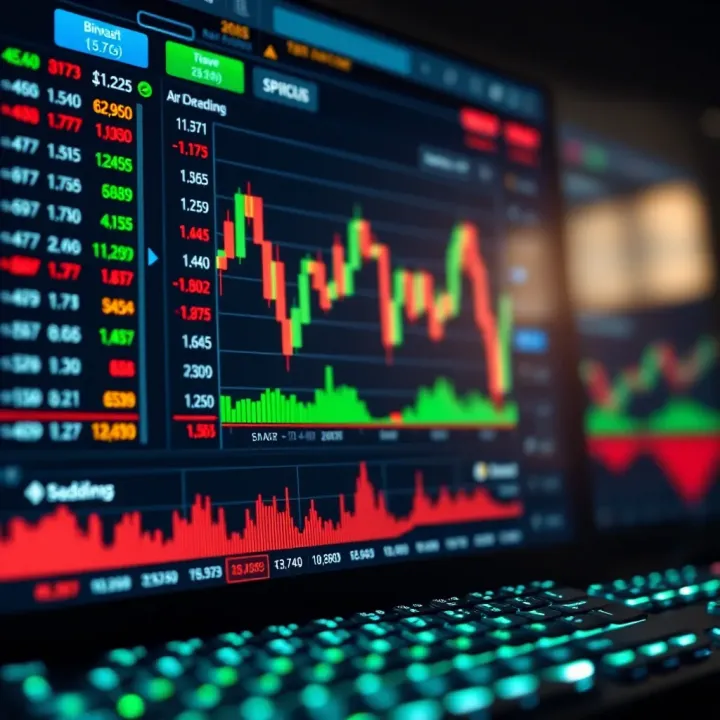
Explore binary options trading in Nigeria 📈. Learn how it works, risks, legal points, strategies, and tips for safe and smart trading decisions.
Based on 8 reviews